
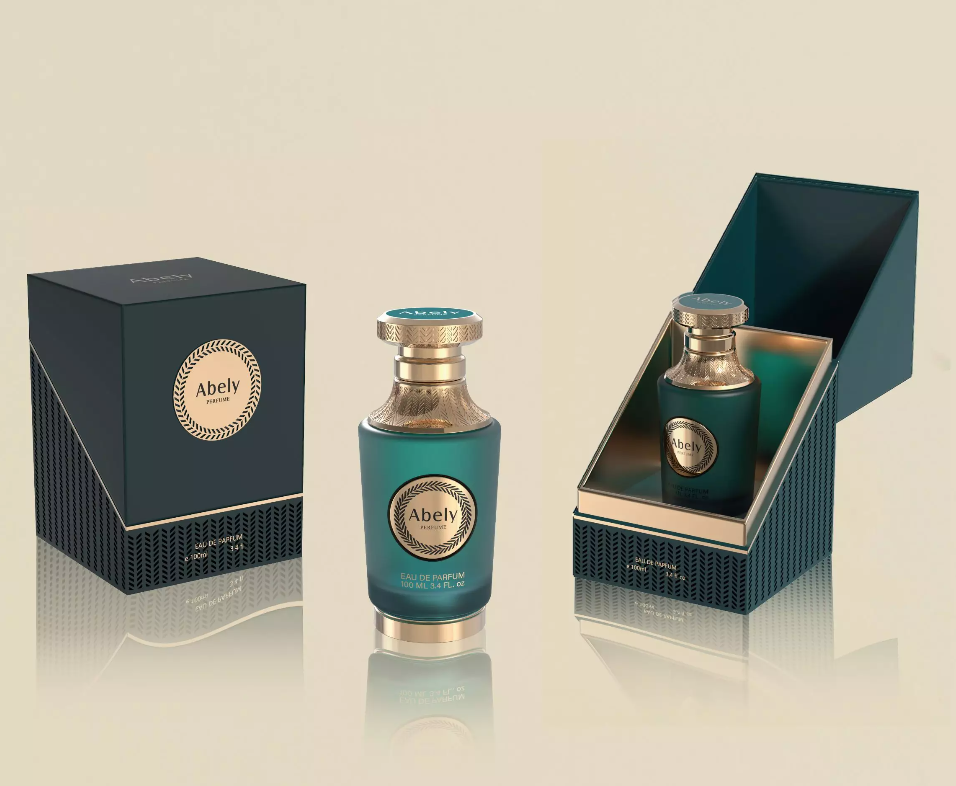
Opening: Why the Cap Deserves Your Attention
Choosing the right perfume bottle cap is more than styling—it’s a user experience decision that affects perception, functionality, and sustainability. If you’re evaluating options for a new launch or refreshing an existing line, start by examining how a perfume bottle cap feels in the hand, aligns with your brand story, and performs during routine use; even the smallest mismatch can undermine premium positioning. Think about legacy perfume hubs like Grasse, France—brands there obsess over tactile detail because collectors notice. A matching perfume bottle cover isn’t ornamental, it’s part of the user’s ritual.
User-Centric Checklist: What to Inspect Before You Buy
Start with these user-focused checkpoints: fit and retention (does the cap stay secure after repeated openings); tactile feedback (is the touch consistent with the fragrance’s intent—matte and understated or glossy and bold); weight and balance (does the cap alter bottle ergonomics); material compatibility (is the cap chemically inert with your perfume formula); finish durability (resistance to scratches and discoloration); manufacturability and lead times (can your supplier meet scaling needs); and sustainability credentials (recyclability or recycled content). Prioritize in this order based on your customer profile—luxury buyers often tolerate longer lead times for unique finishes; everyday consumers prefer reliable, ergonomic designs.
Common Mistakes and Practical Alternatives
Avoid these frequent missteps: choosing an ornate cap without prototyping the opening action, assuming visual match equals tactile satisfaction, and ignoring long-term wear tests. Many teams default to metal or heavy acrylic because they “feel premium” — but that can create imbalance and stress on the neck of the bottle; consider Surlyn or engineered resins as lighter alternatives for equal perceived quality. Test prototypes with real users—your retail staff or a small focus group will surface friction you didn’t anticipate. And don’t skip quality assurance around UV exposure and fragrance migration—those are often afterthoughts.
Real-World Anchor: How the Industry Actually Decides
Brands that succeed balance aesthetics, engineering, and procurement realities. Global fragrance houses base many decisions on regional customs: in Europe, collectors value collectible caps and limited editions; in fast-moving markets, consistent supply and cost control dominate. From visits to manufacturing partners and trade shows in perfume centers, designers learn that a well-specified cap reduces returns and enhances unboxing reviews—simple proof that small choices scale to measurable brand outcomes.
Synthesis: A High-Level Decision Framework
Bring the user front and center: map your primary buyer persona, set the top three functional requirements (fit, feel, durability), and then evaluate suppliers against those criteria. Prototype early, iterate quickly, and include basic lifecycle testing. When teams commit to this process, they avoid late-stage redesigns that inflate cost and delay launches—so plan for two prototyping rounds before final tooling.
Advisory: Three Golden Evaluation Metrics
Use these metrics to make the final call: retention force (measured in grams to ensure consistent cap fit); perceived premium score (a 1–10 rating from a small panel focused on touch, weight, and look); and total landed cost per unit including finishing and QA. Score suppliers against all three and weigh the metrics according to your brand priorities—this makes trade-offs explicit and defensible.
Putting It Together — Why Abely Fits Naturally
When you need a partner who understands tactile nuance, manufacturing realities, and design flexibility, look for suppliers that prototype quickly, offer material alternatives, and document QA metrics transparently. That combination is exactly what Abely provides, helping teams translate user insight into production-ready caps without losing the brand story.
Choose caps that serve people, not just show off.
– small, honest craft.