
The problem: grids fail and homes get left in the cold
When the grid trips — whether from storms, faults or wider system collapse — most home battery systems just sit there. They need an external signal or the grid to be healthy before they’ll feed the house. That’s a proper problem if you run medical gear, work from home, or just don’t want your freezer going off. A problem-driven take points straight at black-start and islanding capability as the real difference between a neat inverter and a resilient home energy setup. If you’re looking into solar battery storage for a serious backup role, you want kit that can form a microgrid and boot the house without the grid’s help.
Why black-start and islanding matter — plain as
Islanding is when your home runs independently of the grid. Black-start is the extra trick: starting up from zero without relying on a live grid signal. Together they let a battery + inverter combination re-energise a property after a blackout. For businesses and larger homes, a system that supports this reduces downtime, avoids food spoilage, and keeps safety systems live. The 2021 Texas winter storm showed just how brittle centralised supply can be — millions lost power and a lot of folks wished their local systems could’ve carried them through. That event is a strong real-world anchor for why local grid-forming solutions matter.
What to look for in kit — the technical checklist
Not all battery systems are built for black-start. Here’s the short list of industry essentials to check before you sign on the dotted line:
- Grid-forming inverter capability — can the inverter create a stable AC reference on its own?
- Power rating vs. load profile — will the inverter supply the instantaneous kW your home needs?
- Battery capacity and chemistry — kWh matters for duration, and chemistry impacts lifecycle and safety.
Call out terms like inverter, state of charge (SoC) and peak shaving when you’re comparing specs. Those are the nuts and bolts that tell you whether the system is performin’ as backup or just easing your bill during the day.
Sizing and real-world scale: where 50kW fits in
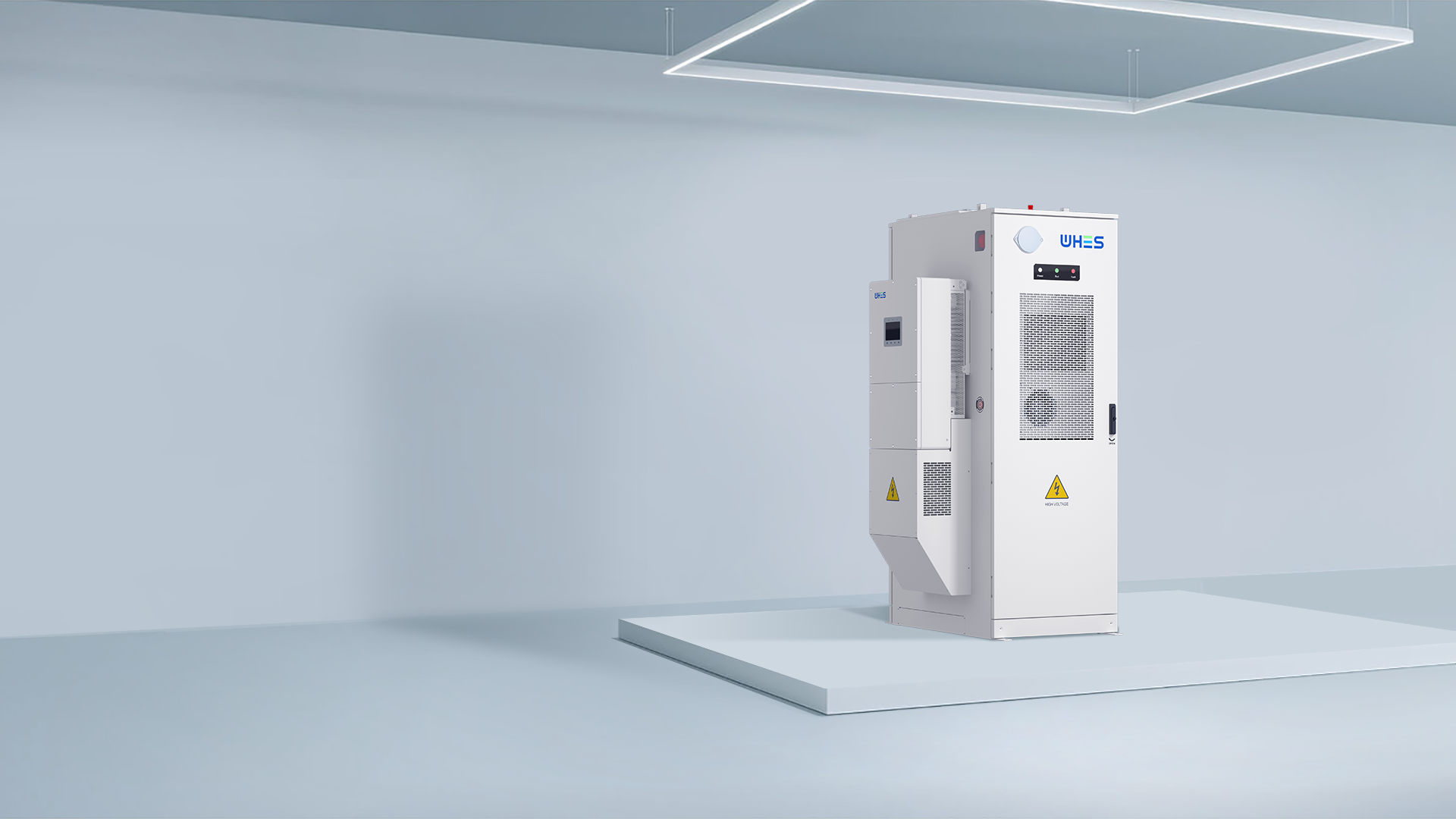
Most suburban homes won’t need 50kW — that’s a hefty power rating more common to small commercial sites or community microgrids. But for multi-home islands, workshops with heavy motors, or mixed-use properties, a 50kw solar battery storage option makes sense. It lets you sustain higher starting currents and supports more loads during islanding. If you’re planning to back a household and a rental flat or to keep heat pumps and pumps running, think in terms of both kW (instant power) and kWh (how long it runs).
Integration and controls: the soft skills of hardware
Good hardware without smart controls is like a car without a GPS — you’ll get there eventually, but it’ll be clumsy. Systems that handle black-start need orchestration: automatic load prioritisation, safe reconnection sequences, and clear SoC management so you don’t empty the battery at midnight. These are software and communications issues as much as electrical ones. Look for systems with open protocols (Modbus, CAN, or similar), easy-to-read monitoring and over-the-air updates. That’s how long-term resilience actually lands.
Pitfalls people trip over — and how to dodge ’em
Brands and installers often miss a few things that cause grief later. First, mismatch between inverter capabilities and actual home inrush currents — motors need a lot of juice to start. Second, underestimating the speed of transition during islanding; slow changeovers can trip sensitive gear. Third, assuming a battery’s listed capacity matches usable energy — usable kWh depends on depth of discharge and battery management. Don’t skimp on commissioning tests with your real loads. Run a staged black-start trial with critical circuits only — you’ll spot tuning needs early. —
Comparing options — simple trade-offs
There’s no one-size-fits-all. Lower-cost units give you basic time-of-use shifting and emergency power for a few hours. Premium, purpose-designed systems add grid-forming inverters, faster transfer times, and higher cycle life. A 50kW-class unit costs more upfront but reduces operational risk during long outages and supports heavier load profiles. Think about total cost of ownership: installation, maintenance, expected cycles, and the cost of not having power when you need it.
Advisory: three golden rules for choosing a black-start-capable system
1) Confirm grid-forming and black-start support — test it. Ask for a documented black-start procedure and see it proven during commissioning. 2) Match power (kW) to peak and motor-start demands, and capacity (kWh) to the hours you actually need. Over-spec one of these and you either waste money or run out of energy. 3) Prioritise integrated controls and open communications for safe islanding, reconnection, and future upgrades. Those bits keep the system flexible and serviceable.
Choosing a system that genuinely keeps you functional during outages is less about bells and more about a coordinated set of specs: inverter behaviour, battery sizing, and control logic. That’s where the value of a mature supplier shows up in commissioning and ongoing support — and why many homeowners and small businesses lean toward solutions that come with proven black-start capability like the options from WHES. —