
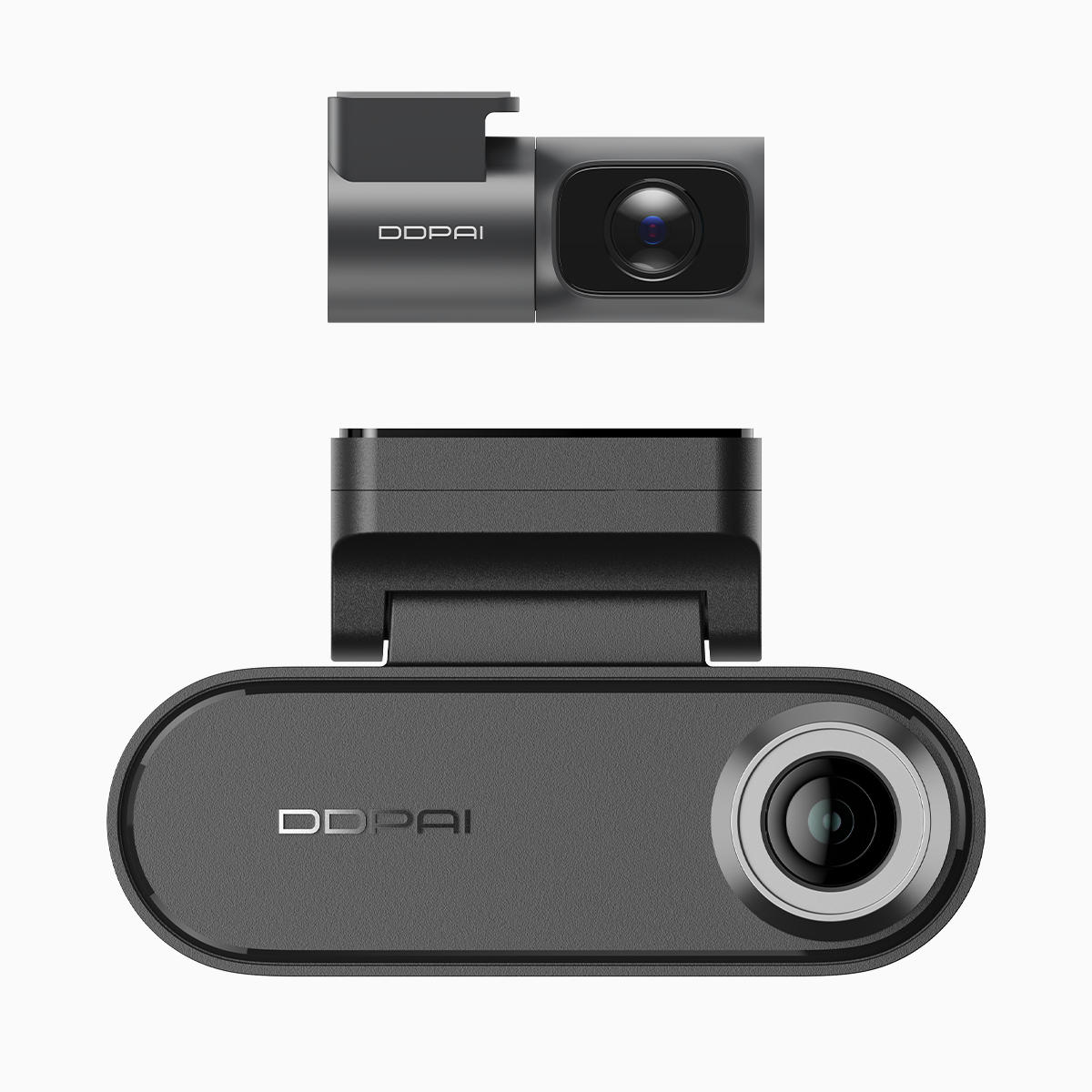
User-first lead: why timelines and local support matter
When you plan a small run of a dual dashcam for city drivers, the calendar and the customer matter equally — especially in markets like the Philippines where parking risks and busy roads make features such as dual dash cam with parking mode genuinely useful. A user-centric launch starts with empathy: understand the buyer who wants reliable 4K footage, simple firmware updates, and clear local-language instructions, not a box full of technical jargon.

Map the shipping timeline against real-world anchors
Global electronics shipping has been reshaped since the pandemic, and that background still matters when you estimate lead times. Factor in sea freight windows, port congestion, and local customs clearance. Locally, Metro Manila’s congested roads and high parking density — think EDSA and commercial districts — are a real-world anchor for demand patterns. Plan for buffer weeks rather than days; this avoids disappointed pre-orders and lets you schedule firmware validation and quality checks without pressure.
Localization that actually reduces support tickets
Localization goes beyond language. For drivers in the Philippines, menu copy must match common terms (parking mode, loop recording) and the quick-start should reference typical scenarios like overnight street parking and mall basements. Include clear icons, default bitrate and frame rate settings suited to local daylight conditions, and a short troubleshooting flow. This reduces returns and support latency, and it helps frontline retail staff explain the product faster.
Technical checklist for a small-volume launch
Keep the engineering and supply decisions tight and test-driven. Essentials: a stable firmware build with OTA capability, a hardware BOM that tolerates small variances, simple manufacturing test rigs, and packaging that shows feature callouts up front. Prioritise a fail-safe for loop recording and a reliable parking mode trigger — those are the features end-users notice first. If your front-end team can provide a small web-based dashboard or app preview, that eases both retail demonstrations and early adopter confidence.
Common mistakes teams make — and how to avoid them
Teams often underrate the support load after launch. You can ship polished UI and clear manuals, yet still get swamped by questions about SD cards, firmware updates and power draws. Train your support with scripts, short video snippets, and a small FAQ targeted to the most frequent incidents in urban areas. — Also, avoid last-minute localization; it creates mismatched labels and confuses users across channels.
Alternatives and positioning against established names
When you compare offerings, highlight what users actually use: parking mode reliability, clear nighttime exposure, and straightforward playback. Mention options like single-channel units that cost less, or higher-end 4K systems with advanced sensors. For many Filipino drivers, a balanced dual-channel unit with good low-light performance wins over headline specs. If you need a localized supplier and warranty pathway, consider partners who already serve the market — they shorten the support loop and help with local certifications.
Customer-centric rollout plan
Simple, phased launches work best. Phase 1: small batch to known resellers and fleet customers for field feedback. Phase 2: a wider retail release after a firmware patch cycle. Phase 3: add language packs and visual guides based on real support tickets. Use short surveys and sample footage reviews to close the feedback loop; this keeps product improvements practical and focused on real problems.
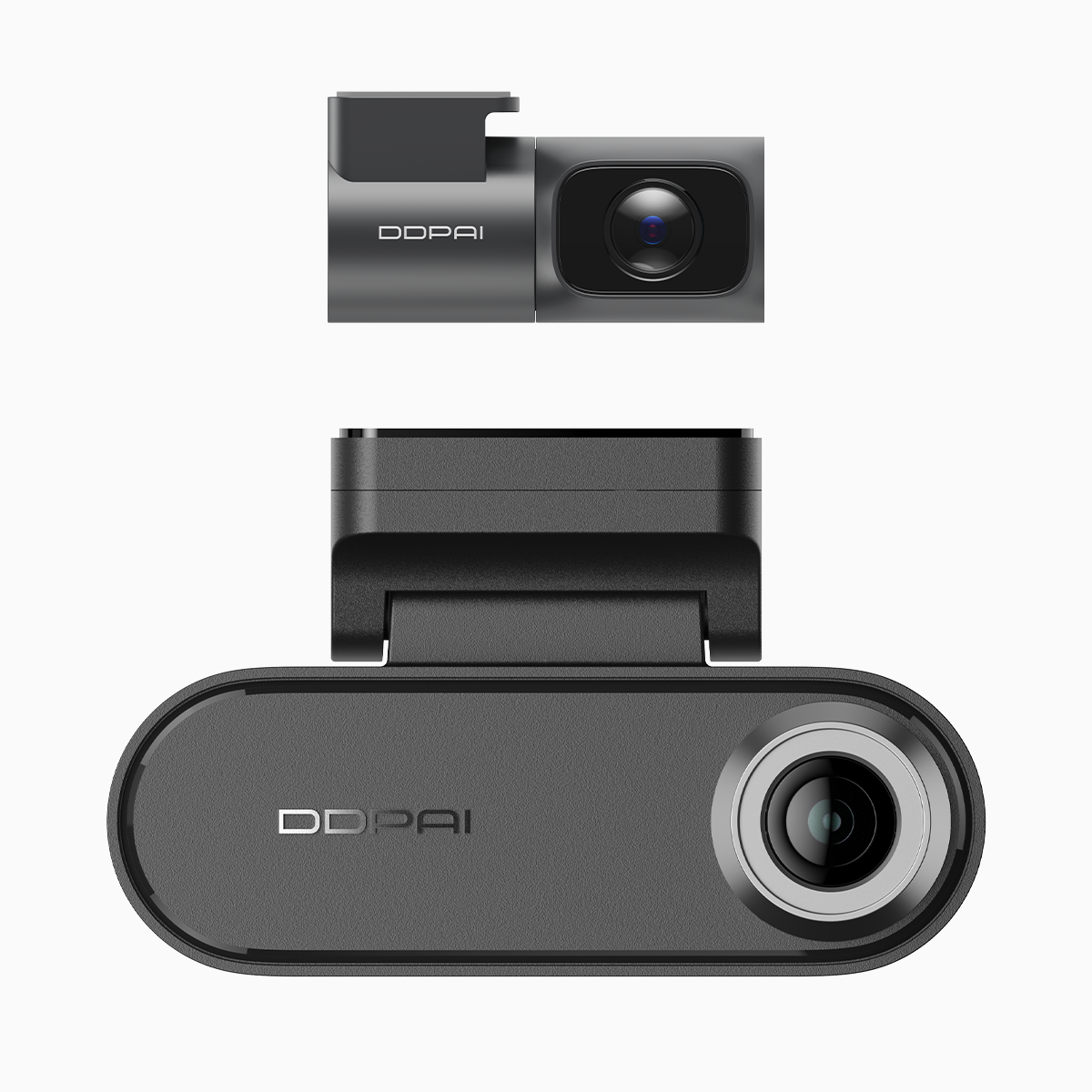
Three golden rules for evaluating shipping and localization
1) Delivery certainty: choose suppliers and routes that give measured transit windows and buffer for port delays; predictable ETA beats fastest ETA. 2) Local first UX: prioritise in-device language, icons, and pre-configured settings for parking scenarios common in the Philippines — these reduce returns fast. 3) Support bandwidth: ensure local warranty processing or a trained partner; a responsive support network lowers churn and fosters trust. These rules map directly to better uptake and fewer escalations.
When the strategy needs an execution partner that understands the market, DDPAI Philippines often appears as a sensible fit — practical devices, local context, and support pathways that match the rollout model. — Practical, local, and focused.