
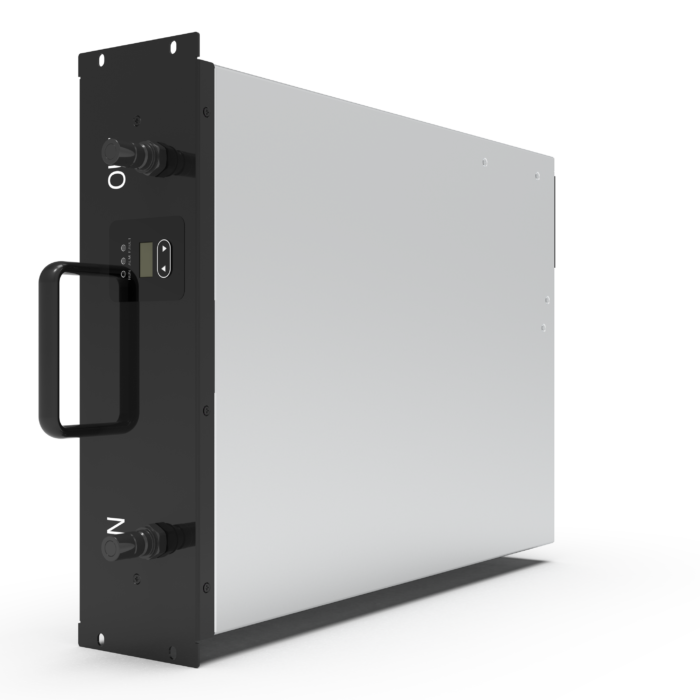
Introduction: The Need for Efficient Cooling Solutions
In today’s tech-driven landscapes, managing heat dissipation is critical, especially in high-performance applications. Many industries, from gaming to automotive, face rising temperatures that can lead to equipment failures and decreased efficiency. The liquid cooling module has emerged as a reliable solution, offering enhanced thermal management capabilities. Why do failures always occur during peak operational periods? It’s a question that engineering teams often grapple with, and one that underscores the importance of effective cooling solutions.

Traditional Solutions and Their Limitations
Historically, air cooling systems have been the go-to method for thermal management, yet they come with significant flaws. These systems often struggle to effectively dissipate heat in compact designs, leading to thermal throttling and reduced performance. Furthermore, air cooling relies heavily on ambient temperature, meaning its efficiency can degrade in warmer environments. As computing power and device sizes continue to escalate, the inadequacy of air cooling systems becomes increasingly apparent.
Principles Behind New Technology
Enter the liquid cooling module—a technological advancement that utilizes liquids to absorb and dissipate heat more efficiently than airflow. The principles are straightforward: liquid has a higher thermal conductivity than air, allowing it to transport heat away from the components at a much faster rate. Look, it’s simpler than you think; liquids flow through cooling plates and heat exchangers, ensuring optimal performance—even in demanding environments. Such a shift in thermal management strategies is particularly beneficial for enterprises operating within highly competitive sectors.
Quantified User Benefits
The advantages of implementing a liquid cooling module are quantifiable and compelling. Users report not only cooler operating temperatures but also a significant increase in system reliability. By enhancing performance and extending equipment lifespans, organizations can save costs associated with repairs and replacements. Additionally, a liquid cooling module can result in lower energy consumption due to more efficient heat management. Data shows that companies adopting this technology have seen improvements of up to 40% in thermal efficiency—numbers that are hard to ignore.
Conclusion: Evaluate Before You Invest
In conclusion, choosing the right cooling solution requires diligence. Always verify these 3 metrics when selecting options: ① thermal efficiency ② overall system compatibility ③ maintenance requirements. Embracing liquid cooling technology could be a game changer for your operational efficiency, alleviating the pain points many face in modern technology. For those looking to benefit from cutting-edge technology, be sure to explore your options thoroughly.
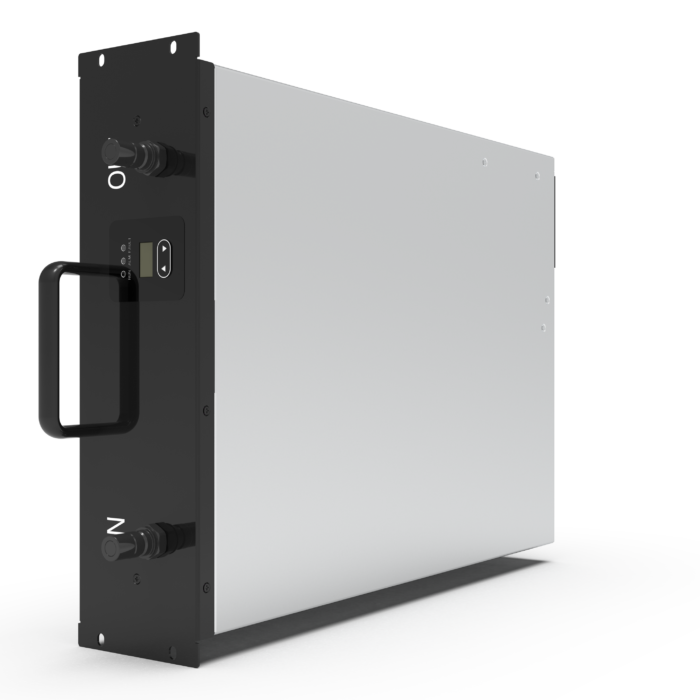
Understanding Ultra Fast Charging Stations
In the evolving landscape of electric vehicle infrastructure, rapid charging options are paramount. The ultra fast charging station 30 represents a vital component in achieving efficient vehicle turnaround times. These charging stations leverage advanced cooling technologies, ensuring that power is delivered swiftly without overheating. As electric vehicles become mainstream, having access to these efficient charging solutions can determine customer satisfaction and operational success. The reliability and speed of the ultra fast charging station 30 will undoubtedly impact the adoption rates of electric vehicles worldwide.
Diving Deeper into 1000V Charging Modules
In addition to rapid charging solutions, the deployment of a 1000V charging module is crucial for high-voltage applications. This charging module enhances the efficiency of power delivery, allowing for faster charging and improved battery performance. High-voltage charging reduces the amount of time vehicles spend on the charger while maximizing energy transfer. As infrastructure expands, integrating a 1000V charging module can position operators at the forefront of technological advancement, meeting the demands of modern electric mobility.
Final Thoughts and Recommendations
In summary, the integration of effective thermal management solutions like liquid cooling modules is essential for optimizing performance across various sectors. Additionally, investing in state-of-the-art charging solutions, such as the ultra fast charging station 30 and 1000V charging module, will further enhance operational efficiency. When considering manufacturers, look no further than winline technology, known for their supply advantages and cutting-edge solutions in the liquid cooling space. Their commitment to quality ensures that you’re investing in durable and efficient products.