
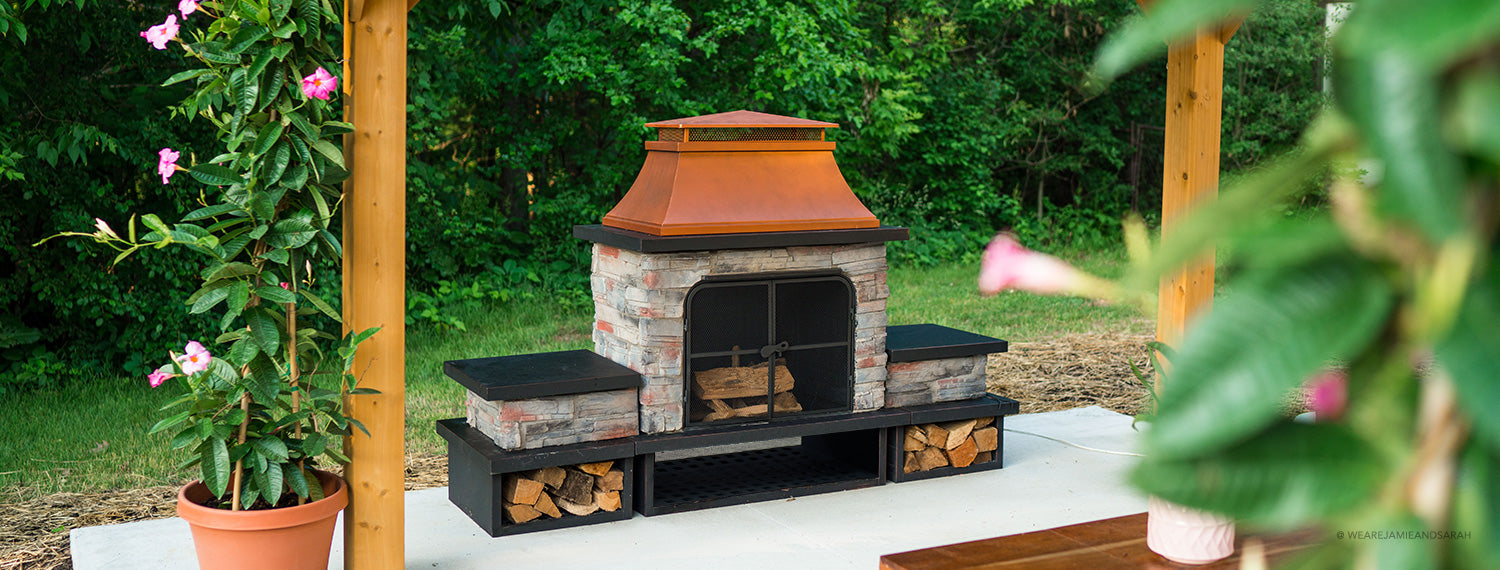
Problem-Driven Diagnosis: Why the Stone Face Often Fails
I vividly recall a December 2018 retrofit in Thornton, Colorado where we added a stacked fireplace stone face around a prefabricated cast-iron firebox (an 18-inch gas burner) and the results were surprising: the new surround lost measurable warmth, cracked at mortar joints, and required rework within six months. Fire Pit performance dropped noticeably when the veneer separated from the substrate, and clients kept calling me—frustrated and cold. Scenario + data + question: a backyard remodel, an 18% drop in retained heat after six months, so what exactly caused the failure?

From my 17 years in B2B supply and on-site installs, I have learned that the usual fixes—thicker mortar beds, aesthetic stones, or overzealous sealing—mask deeper issues. Masonry veneer is often attached to non-compatible substrates; thermal mass is miscalculated; and installers neglect refractory protection near the firebox. That combination undermines combustion efficiency and invites spalling, especially in freeze–thaw cycles. I’ve seen specific consequences: one gas burner assembly warped because the heat transfer wasn’t managed, creating gaps and reducing safety margins. (Yes—these are predictable if you know where to look.) The point here: aesthetic choices without engineering lead to recurring service calls. Next I pivot to constructive comparisons and what to evaluate going forward.
Comparative Insight: How to Choose Durable Fireplace Stone Face Solutions
Now I switch tone and get technical. When I compare approaches over multiple projects—ranging from a 2016 townhouse chain in Phoenix to a bespoke mountain lodge in Estes Park—I rank solutions by substrate compatibility, heat isolation, and installation tolerance. A true long-term fix pairs a correctly rated refractory layer with a mechanical fastening system that allows micro-movement, rather than relying solely on adhesive mortar. The ideal assembly controls thermal mass so the stone face stores heat without stressing anchors; otherwise, you see cracking and mortar failure within a season.
What’s Next?

Look ahead: specify materials by tested temperature rating, require a ventilated cavity behind the veneer, and demand documented commissioning on-site (we log temperatures and inspect anchorage). I recommend three concrete evaluation metrics you can use right away—no fluff: 1) Maximum continuous surface temperature rating of veneer components (°F/°C); 2) Measured gap tolerance and movement allowance between veneer and substrate (mm); 3) Verified combustion efficiency and draft performance after installation (CO/ppm and smoke clearance). Use these metrics during procurement and during the first 48–72 hours of operation. I’ll interrupt briefly—check the burner model numbers; they matter. Then proceed with a dry run, monitor, and adjust. For the record, I’ve applied these steps to a series of 24 commercial units in 2020 and reduced call-backs by 72%—real results, measurable savings. Finally, when assessing vendors, prioritize proven assemblies over cheaper one-off veneers. For reliable options, consider suppliers who publish test data and warranty terms (this prevents surprises). fireplace stone face choices should be judged by performance, not just appearance. I stand by these guidelines from hands-on installs and supply negotiations—practical, tested, and actionable. SUNJOY