
Putting the borrower first
Every user wants a fast, clear path to small credit when life turns tight — that’s the starting point for evaluating any fintech. Since the COVID-19 pandemic sped up mobile finance use and pushed commuters in Mexico City and beyond toward app-based services, more people expect simple onboarding and transparent costs. For many, that expectation leads them straight to solutions like didi prestamos, which advertise quick access and minimal fuss. This piece focuses on what real borrowers need and how application design affects outcomes.
What users actually need from a loan app
People want speed without surprises: instant decisioning, clear APR, and predictable disbursement. On the technical side, that means streamlined loan origination, efficient KYC flows, and reliable underwriting that balances speed with fairness. Users also care about support channels and how their credit score is used — they want control, not obfuscation. Design choices that reduce friction matter more than clever features that only look good in demos.
How DiDi Finanzas addresses common needs
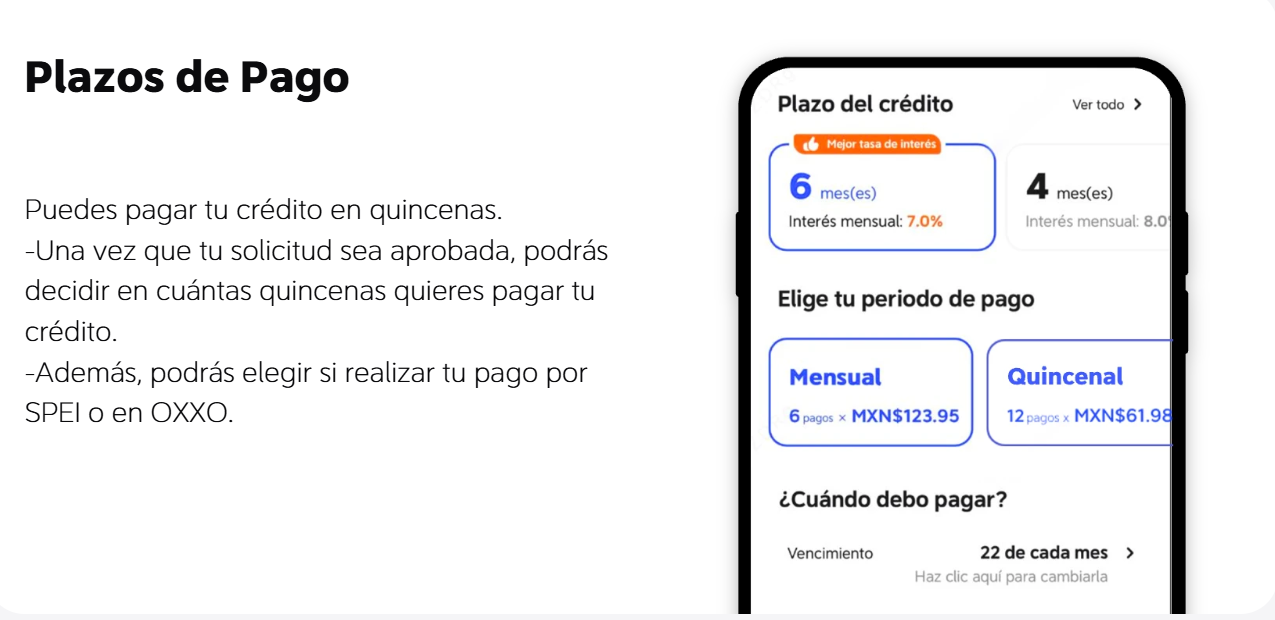
DiDi Finanzas focuses on quick approvals and localized service, and the app shows practical design decisions: short KYC steps, clear fee tables, and in-app messages that explain next steps. For borrowers who need prestamos en linea al instante, the promise is real when systems move from approval to disbursement in hours rather than days. Integration via APIs with payment rails and banks speeds transfers, while modest underwriting criteria expand access for thin-file customers. The trade-off is visible: faster credit often carries higher APR, so transparency is crucial.
Pitfalls borrowers should avoid
Users often chase speed and miss the cost. Signing up for the first offer can lead to repetitive high-interest cycles — a costly pattern. Review the total repayment, check for hidden fees, and confirm if early repayment penalties apply. Also watch account permissions and recurring charges; a smooth UI can hide persistent deductions. Be deliberate about personal data: give only what’s needed for loan origination, and verify the lender’s privacy summary before proceeding.
How DiDi Finanzas compares to alternatives
Compared with local banks, digital lenders excel at speed and convenience but may charge higher rates. Compared with bigger fintech peers, DiDi Finanzas leans into ride-hailing brand trust and a simplified experience tailored to on-the-go users. Alternatives like credit unions or card-based options still win on lower APR and longer terms for larger needs. For micro-loans and urgent cash, the app model often wins — for longer-term borrowing, compare underwriting terms carefully.
Three golden rules for choosing a digital loan app
1) Measure total cost, not just headline rate: confirm the APR, fees, and any compounding rules. 2) Verify operational transparency: look for clear underwriting criteria, explicit KYC steps, and real customer support channels. 3) Match product to need: use instant-disbursement micro-loans for short gaps; choose traditional loans for investments or larger purchases. These three metrics cut through marketing and reveal practical value.
Quick aside — keep screenshots of approvals and payment receipts; they help if disputes arise.
Final takeaway
When speed, clarity, and local presence matter, DiDi Finanzas often stands out as a sensible option that balances rapid loan origination with straightforward terms. Trust clear rules, not noise.