
Introduction
Have you ever walked into a barn and felt the lighting just wasn’t helping the pigs — even though the fixtures gleamed? Swine light often gets treated as an add‑on, not a system, and the data is starting to show the cost. Recent farm audits report up to 20% variance in growth targets tied to inconsistent lighting and environmental controls. So why are we still installing setups that don’t deliver welfare or productivity gains (and paying for it)?
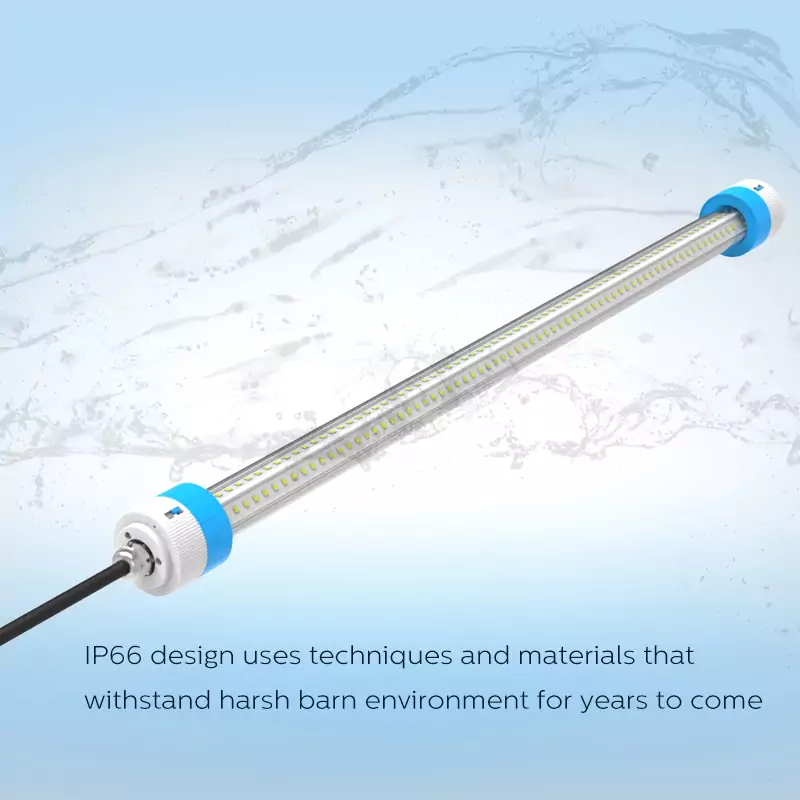
I want to be direct: I’ve seen the mismatch between spec sheets and barn reality enough times to be frustrated. In many shops the gear looks modern — LEDs, dimmer controls, fancy timers — but the animals and staff tell a different story. The result: wasted energy, stressed animals, and extra labor for adjustments. This piece will move from diagnosis to practical next steps. Let’s dig into the real problems and what we can do about them.
Why traditional pig lighting approaches often fail
pig lighting is often sold like a single purchase: buy fixtures, mount, set a timer, done. That assumption breaks down fast on the farm. I’ve audited barns where light levels varied room to room by tens of lux, spectral balance was ignored, and simple wiring faults turned dimming into guesswork. These failures aren’t mysterious — they come from three recurring design flaws: poor integration with room controls, inadequate spectral planning, and under-spec power hardware. Look, it’s simpler than you think: good lighting is systems work, not a fixture checklist.
What’s broken?
First, people underestimate photoperiod management. A timer isn’t the same as a control strategy that matches age-specific needs. Second, installers often skip proper lumen mapping; you need consistent lumen output across pens, not just high output at the fixture. Third, the electrical side gets cheaped out: undersized power converters and poor surge protection lead to flicker and early failures. Edge computing nodes or local controllers can help maintain schedules and collect data, yet many farms never add them. I’ve seen dimmer controls installed but set wrong — which creates stress responses in pigs instead of calm behavior. These are practical, fixable issues, but they require attention to integration, not just lamp selection — funny how that works, right?
New principles and next steps for pig lighting
Moving forward, we should treat pig lighting as a layered system: fixture + spectrum + control + data. I want to outline practical principles we can apply, not lofty ideals. Start with LED spectral tuning suited to swine rather than human comfort. Combine that with photoperiod strategies that change with growth stage. Use reliable power converters and proper surge protection to avoid flicker. Then add local intelligence—simple edge computing nodes that enforce schedules, log performance, and trigger alerts when levels stray. When implemented correctly, these steps drop variability and improve both welfare and feed conversion.
What’s Next — practical roadmap
Here’s a short, actionable roadmap I recommend: audit current lumen output and spectrum, retrofit controls where needed, and pilot a small zone with spectrum-tuned LEDs and edge controls. Monitor for two production cycles. You’ll see changes in behavior and sometimes in growth rate within weeks — not months. We should also measure energy use; better controls often pay back faster than you expect. — and yes, the upfront work feels like a hassle, but the returns are measurable.
To wrap up practically: choose systems that give you clear metrics. I advise three evaluation criteria when selecting solutions: 1) consistent lumen output and spectral match for the pig life stage, 2) robust control and data capture (schedule fidelity, alerts), and 3) electrical robustness (proper power converters and surge protection). These metrics get you out of guesswork and into decisions based on performance. If you want examples and components that work in real barns, I’ve documented pilots using pig lighting with measurable uplifts in welfare and reduced labor. For builders and operators who prefer a tested partner, consider checking solutions from szAMB.