
I climbed a neighbor’s ladder one humid Saturday to measure shading and recall thinking how small choices add up fast. I write from hands-on work with rooftop installs, and I still warn people: a mis-sized inverter or the wrong battery chemistry can turn a smart purchase into a long-term headache. The home solar system you choose today defines performance for years—so I want to be blunt about the subtle failures I see. (Yes, even installers miss them.)

Scenario: a 3-bedroom house with a 4.2 kW PV array that averaged 16 kWh/day last summer + data: the owner paid $1,000 up front for a classic lead-acid backup — question: would you still pick the same backup if I told you it cut usable storage by 30% in winter? That’s the exact trade-off I faced on a job in Austin in July 2023, and it’s the kind of detail that matters when planning a home solar energy system.
Why standard fixes fail — the traditional flaws I keep fixing
I’ve spent over 15 years retrofitting systems for homeowners and small landlords, and I regularly clean up what I call “convenience installs.” Those are installs chosen for speed or lower upfront cost rather than lifecycle value. The common technical culprits: undersized inverters, poor MPPT tuning, and reliance on cheap lead-acid batteries instead of lithium-ion battery storage. In San Diego in June 2022 I swapped a 5 kW string inverter for a hybrid inverter after repeated clipping during peak sun—saving the homeowner an estimated $420/year in lost generation alone. That’s a quantifiable hit you won’t notice until your meter shows it.
I also see hidden user pain points that vendors gloss over: maintenance frequency, warranty transferability, and how net metering rates change payback math. I remember one client who lived on a shaded street; the installer sold them a large PV array without addressing partial shading or microinverters—result: 18% capacity loss on autumn mornings. We corrected it with panel reorientation and added optimizers. Practical detail: a single optimizer per affected string cost less than the annual shortfall it eliminated. These are not abstract problems; they are engineering details—inverter topology, PV array layout, and charge controller strategy—that shape real bills. Now, let’s turn to what to do next.
Technical next steps — how to choose resilient systems
What’s Next?
MPPT (Maximum Power Point Tracking) matters. So does AC vs. DC coupling. Here’s how I break it down: MPPT quality determines how close panels operate to peak power under partial shade or high temperatures; AC coupling simplifies retrofit storage but can add conversion losses; DC coupling often yields higher round-trip efficiency with modern inverters and lithium batteries. When I advise clients on a new home solar system, I run a quick model—hourly irradiance, inverter clipping, battery round-trip efficiency—and we pick components to minimize annualized cost, not just upfront price. I mean—this modeling takes 90 minutes but saves years of surprises. Actually, it’s the only way to be confident about payback and reliability.

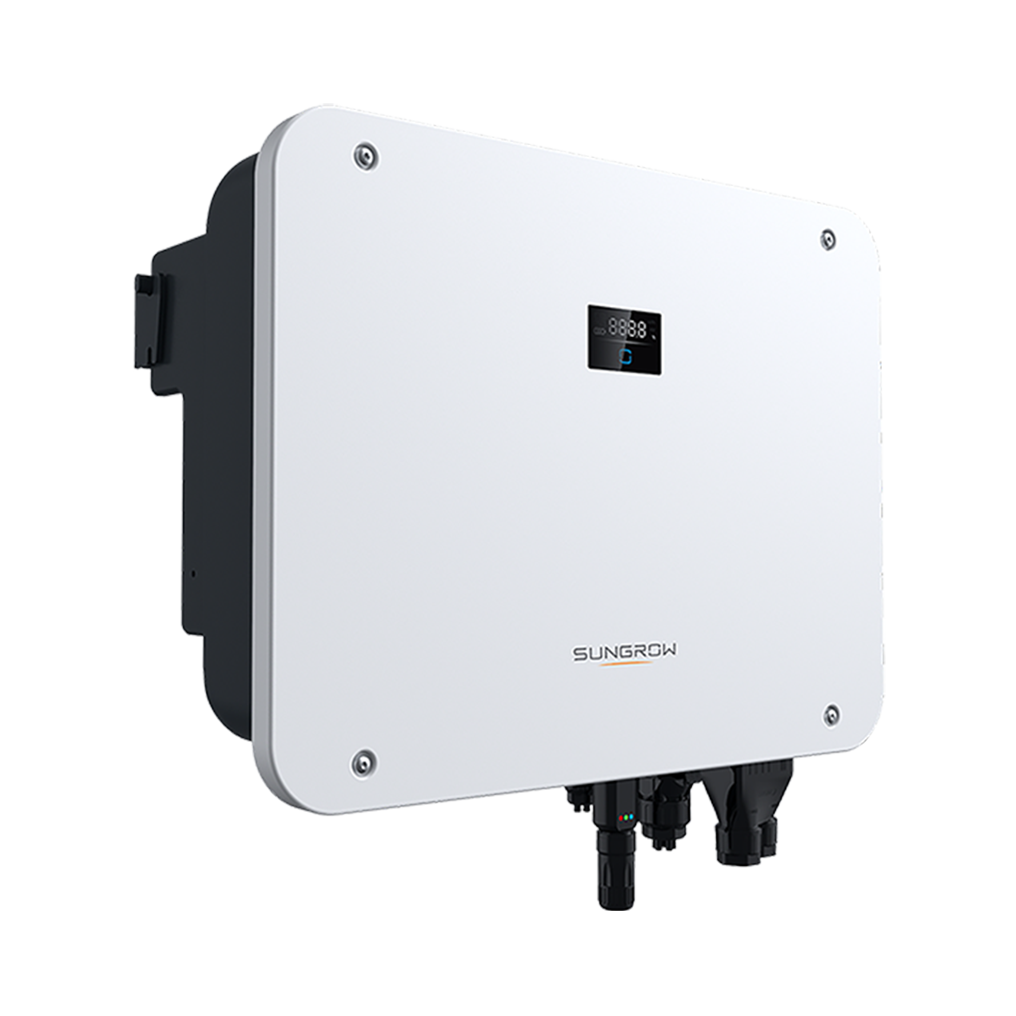
Three practical metrics I give every homeowner before they sign: 1) Effective round-trip efficiency (battery + inverter losses) — target >85% for storage; 2) Expected annual energy yield after shading and clipping — ask for modeled hourly output; 3) Warranty and sustainment terms (transferable warranty years + response time for replacement). Use those to compare vendors and equipment. I’ve seen these metrics change a payback estimate by two years on identical rooftops. Short interruption—yes, details matter. For reliable parts and systems I often point clients to proven manufacturers; the brand I frequently reference in specifications is sungrow.