


Opening Scene: A Short Road Tale, Some Numbers, and One Question
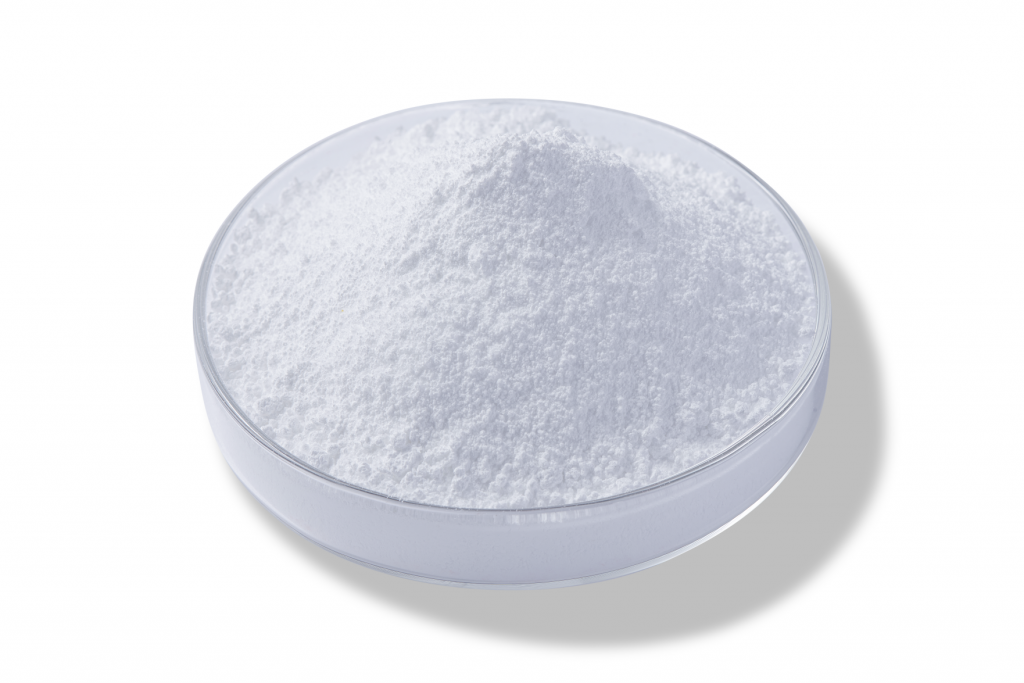
I still remember the morning my car pulled to the side and hissed like it had given up on life—flat on a quiet road, no drama, just the slow deflation of a tired tire. I checked the tread, guessed the age, and thought about the compounds and materials I’d been reading up on. Green tires silica sits at the heart of many modern tire upgrades, and makers claim it cuts rolling resistance while keeping wet grip strong. Industry tests show rolling resistance drops by up to 15% and fuel savings follow — so why are so many fleets and drivers sticking with older blends? What really tells you it’s time to switch?
I’m asking that because I’ve watched tires age on the job, and I’ve spoken with formulators who sweat the small stuff. This piece will compare what you’ve likely got now to what greener silica-based compounds bring. Stay with me—there’s a clear signal in the metrics and the ride feel that most people miss. Let’s move into where the common fixes fail and what that means for you.
Where Old Fixes Fall Short: The Hidden Flaws of Traditional Mixes
Why does the old way keep coming up short?
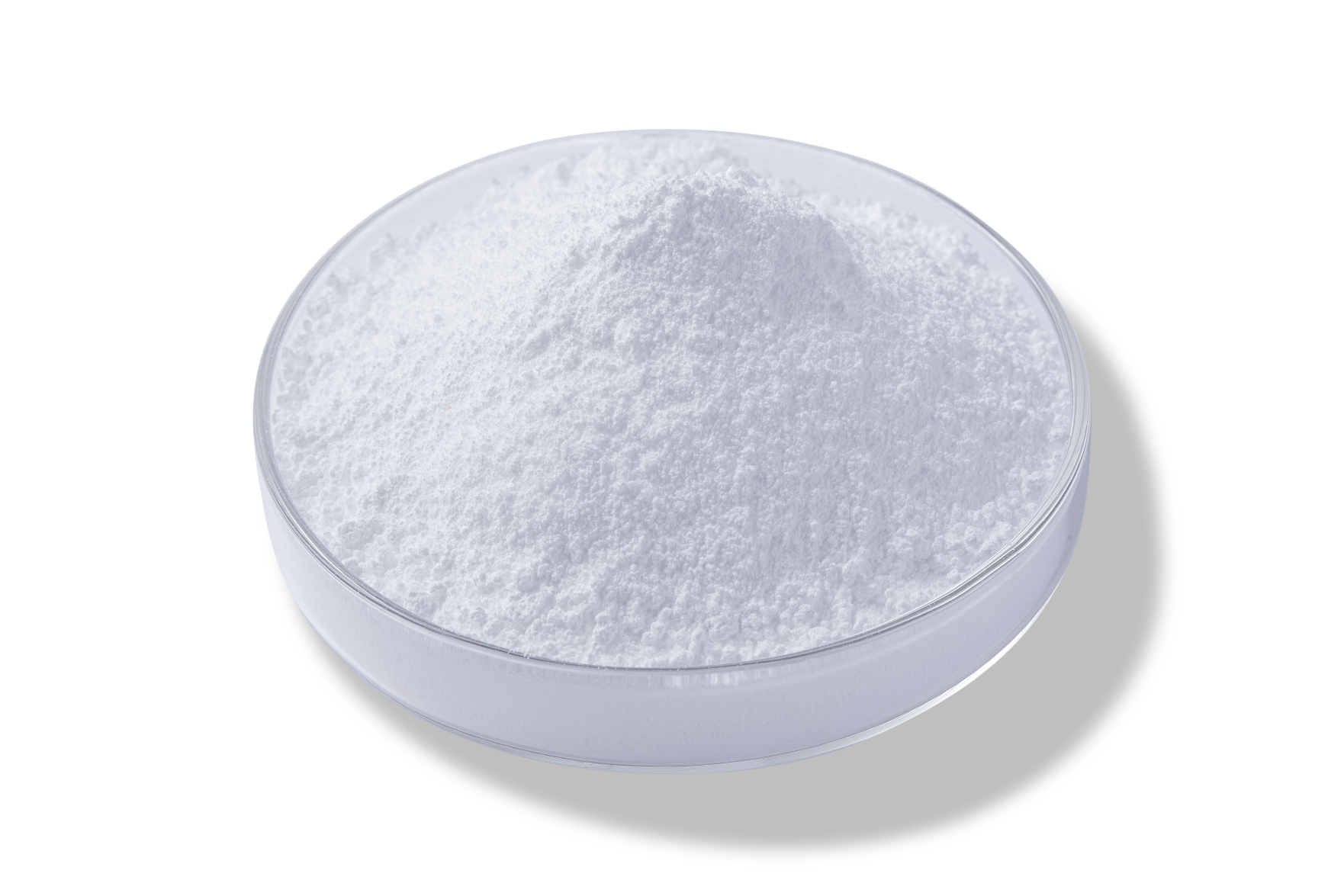
When I look at precipitated silica in tires, I see a product that addresses flaws we’ve just tolerated for too long. Traditional solutions leaned heavily on carbon black and coarser fillers. Those gave strength, yes, but they also raised rolling resistance and limited wet traction. The problems hide in the mix: poor dispersion, weak silane coupling agent reactions, and uneven polymer matrix interactions. The result? Compromised tread compound performance and shorter effective life.
Let me be blunt—many workshops patch problems with balancing or thicker treads, not better chemistry. That stops the noise but not the heat buildup or loss of grip in rain. Look, it’s simpler than you think: without proper dispersion and the right surface chemistry, the filler acts like a clump. Clumps mean stress points, uneven wear, and degraded wet grip. I’ve seen lab runs where torque rheology and dispersion index told the full story before a single mile was logged—funny how that works, right? In short: traditional mixes mask issues rather than solving them, and those hidden flaws show up as higher fuel use and rougher handling over time.
Principles That Point Forward: How New Silica Tech Changes the Game
What’s Next — the practical takeaways?
Now I want to look forward. New technology centers on particle control, surface treatment, and smarter coupling chemistry. Using precipitated silica in tires with optimized surface area and consistent particle size helps the polymer matrix form a tighter network. That improves wet grip and lowers rolling resistance without sacrificing tread wear. The principle is simple: better filler–polymer interaction gives you performance across the board—traction, economy, and longevity.
I’ll add one real-world note from cases I’ve tracked: tires reformulated with modern silica often show faster break-in behavior, more uniform wear, and measurable fuel savings in fleet trials. You’ll also get benefits in silica dispersion metrics (think lower Payne effect and improved dynamic modulus), which translate to smoother road feel. Two things matter most in the lab and on the road—dispersion and silane coupling efficiency. Improve those and you improve the whole tire system.
To wrap up with practical advice I’d give a colleague: evaluate any new compound by three metrics—rolling resistance reduction (measured as a % change), wet grip index (lab-based braking or traction scores), and dispersion quality (microscopy or dispersion index). Use those numbers to compare options, not just labels. If you want results that last, check the chemistry behind the claim, not only the marketing. I’m convinced these steps make the decision clearer. For reliable sourcing and technical support, I often point teams toward specialist suppliers like JSJ.
