


Why This Matters Now
What if the “sunken chest” is not only about looks, but about breath, sport, and confidence? The wang procedure has become a quiet shift in how surgeons think about fixing that dip. If you are scanning options for pectus excavatum surgery, you see stories of pain, plates, and long waits. It feels heavy, oui. Yet the condition affects a surprising number of young people—some estimates near 1 in 300 births—and symptoms can be real: fatigue, reduced endurance, social withdrawal. So the question is simple. Which path deals best with function and form, without trading one problem for another (like chronic discomfort)?

We start with what people face today, and why old answers still pinch. Then we move forward—calm, step by step—toward what is changing.
Traditional Paths, Hidden Costs
What’s the real gap?
Directly, here is the deeper layer that many miss. Classic repairs—open revision or older bar-based methods—focus on lifting the sternum. Good intent. But they often ignore load paths, soft tissue adaptation, and long-term comfort. Patients report stiffness with deep breaths, fear of bar displacement, and tricky sleep for months. Intraoperative thoracoscopy helps safety, yes, but pain can still linger if perioperative analgesia is not tailored. Look, it’s simpler than you think: if the repair does not respect chest wall biomechanics, the body protests—funny how that works, right?
There is also the stealth stress. Families expect a clean arc to recovery, but daily life has friction. Seatbelts. Backpacks. Gym class. Anxiety about clicks and pops. When compression is not evenly spread, or when bar fixation concentrates force, tissue remodeling slows. Terms matter here: sternal elevation is not enough without stable vector control; cartilage remodeling needs time and balanced tension. And when follow-up is short or vague, patients carry the ambiguity. That is the real pain point. Not only the incision. The uncertainty.
Forward Look: Principles Behind a Newer Line of Repair
What’s Next
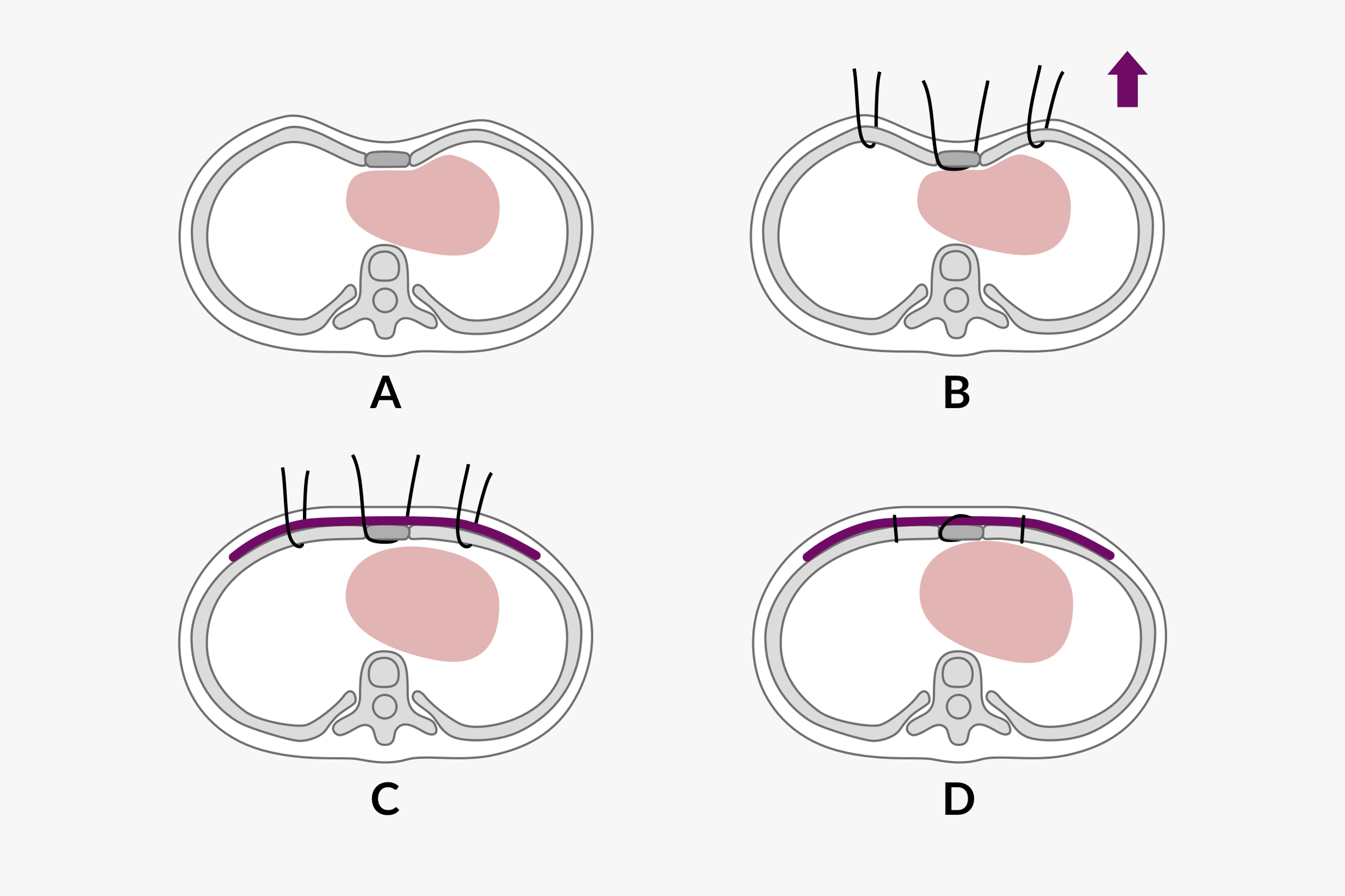
Now, a comparative lens. The wang procedure reframes the problem as force management, not just cosmetic lift. It blends controlled elevation with distributed support, aiming to reduce moment arms and shear on ribs. In practice, that means multi-point stabilization, low-profile implants, and attention to line-of-force vectors. Surgeons map asymmetry, then dial correction in layers—soft tissue, cartilage, and sternum—so the system shares load rather than dumping it into one bar. In some centers, 3D planning and intraoperative imaging guide how much to lift, where to anchor, and how to avoid costal flaring. The result: less torque, fewer surprises, and a calmer recovery curve.
For patients comparing options for surgery for pectus excavatum, this is not marketing; it is mechanics. By treating the chest as a dynamic frame, the approach prioritizes stability and comfort. Terms you may hear—bar contouring, anchor geometry, periosteal purchase, nerve-sparing analgesia—point to one idea: precise correction with gentler physiology. It feels more technical, because it is. But the goal is human. Shorter adaptation, fewer activity limits, clearer follow-up. And—yes, really—better sleep.
How to Choose with Confidence
We learned two things. First, old methods tend to chase position and forget forces. Second, hidden costs—pain spikes, fear of movement, recovery drift—erode results you can feel. So, when evaluating options, use three simple metrics. One: force distribution—ask how the plan reduces moment arms and controls vector load on ribs. Two: recovery design—clarify the perioperative pathway, from analgesia to return-to-sport, with actual timeframes. Three: stability proof—seek data on displacement rates, revision risk, and functional gains (breath tests, endurance, posture). If a team can answer cleanly, your path is clearer. If not, wait, compare, and choose the plan that respects both mechanics and your daily life. For steady guidance and technical depth grounded in practice, see ICWS.
