


Introduction
On a cold morning, a power cabinet in a remote station fails, and the backup system must carry the load at once. Many teams now choose lifepo4 lithium battery for boats, vans, telecom nodes, and energy cabinets. Field data shows these packs can hold over 80% capacity after 3,000 cycles, with safer thermal behavior than many NMC cells. But the gap between what the spec says and what the site needs is still large—how to close it? We see operators asking: why do two packs with the same label behave so differently in winter, or when power converters demand high surge? This is not only about chemistry. It is also about how the cell was formed, matched, wired, and checked. In Chinese practice, we value stable process and clear proof (not only big words). So I ask one simple question: can we compare LiFePO4 reliability in a way that is fair, simple, and repeatable across sites? If yes, then the choice becomes easy. If not, the risk stays with the user. Let us move to the production floor, then return to the field, step by step.
Where Production Tradition Falls Short for Real-World Reliability
Why do legacy steps fail?
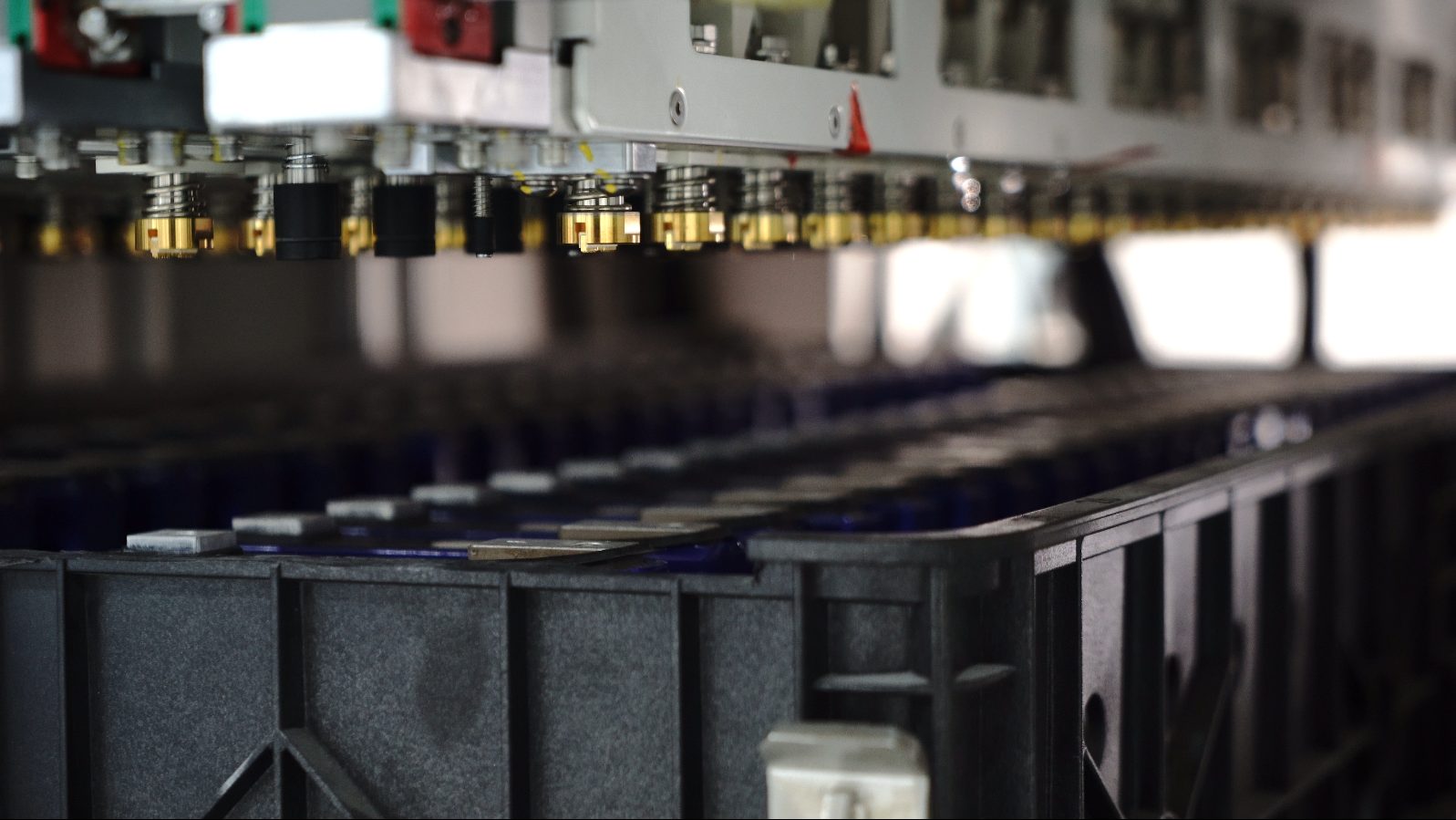
In lithium ion battery production, many lines still rely on spot checks and paper-based signoffs for key steps like electrode coating, formation, and cell grading. This workflow may pass a lab audit, but it hides variation. Small errors in moisture control, slurry viscosity, or calender pressure can change internal resistance and aging. Later, the Battery Management System (BMS) must fight this drift in the field. Look, it’s simpler than you think: when cell matching is loose, State of Charge (SoC) diverges under high load, and the weakest cell limits the pack. The spec sheet will not show this. Only process-level traceability and pack-level verification will. Legacy lines also separate data islands. Formation testers write to one database; pack test writes to another; shipping labels live in a third. When you try to link a field return to a coating batch, the chain breaks—funny how that works, right?
These gaps create hidden pain points. An operator sees random cutoffs during a telecom surge, blames the inverter, and replaces power converters, but the root cause was uneven impedance from early-stage drying. Another team sees different cold-cranking results and suspects the CAN bus setup, but actually the formation protocol created shallow lithium plating on a subset. Without continuous traceability, you only fix symptoms. A low-cost process can produce high scrap, late rework, and unstable State of Health (SoH) curves. In the end, field reliability looks like luck. This is why the comparison of LiFePO4 against other chemistries sometimes feels unfair: the chemistry is stable, yet the process masks its strength. To compare well, you must see the whole chain, from coating to pack test, and not just the final number on a datasheet.
From Factory Floor to Future: Principles That Make Comparisons Honest
What’s Next
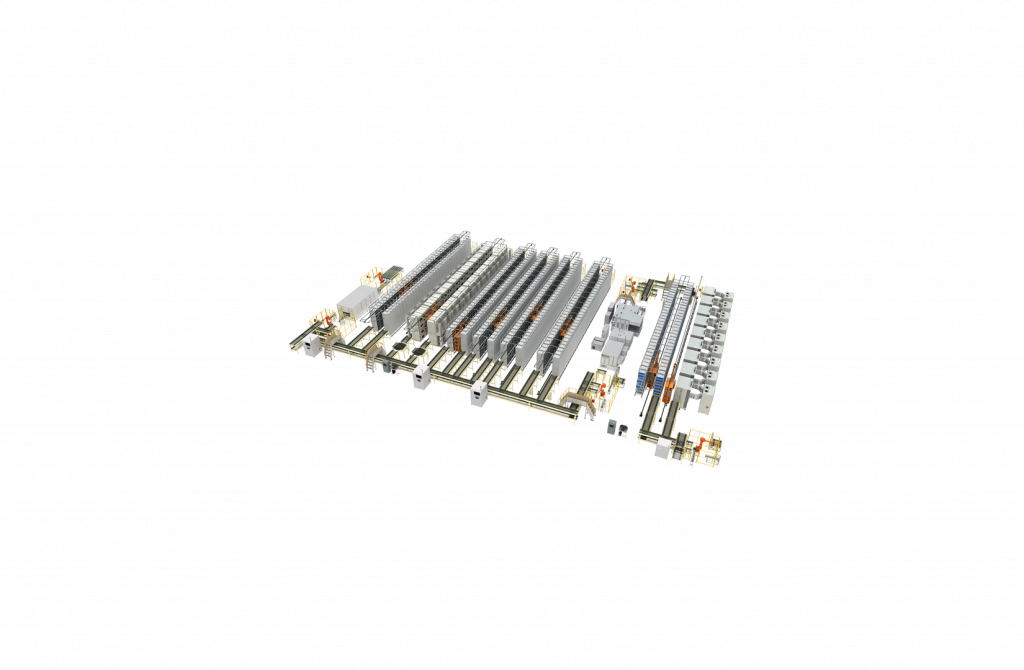
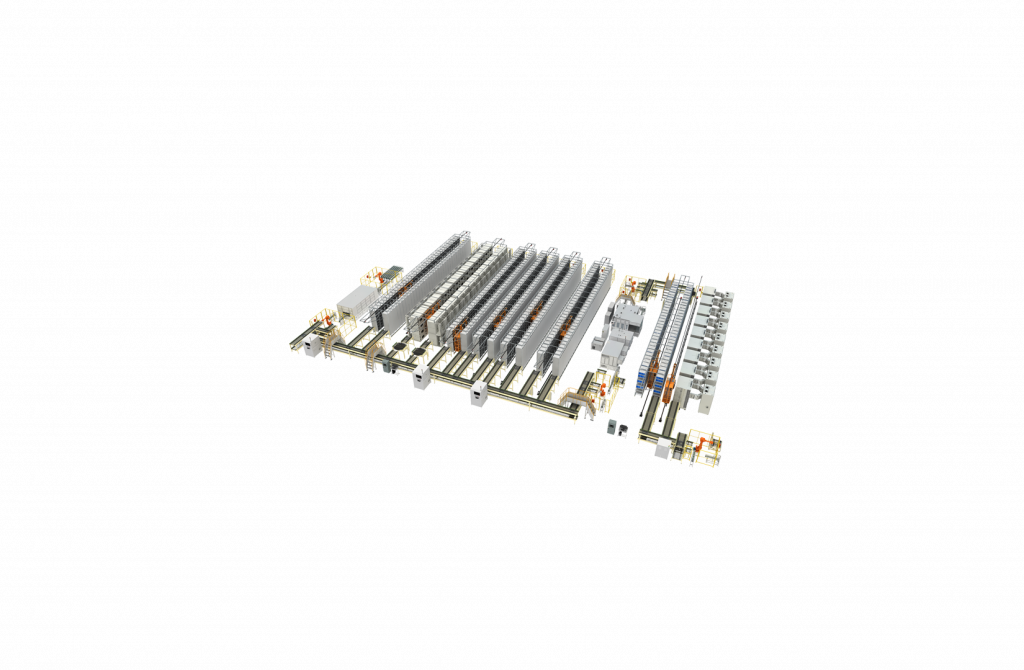
A forward-looking line does not add more paperwork; it adds linked evidence. The principle is simple. Sensor-rich stations feed an MES in real time; edge computing nodes filter noise; a digital twin tracks every cell ID from electrode to pack. In this model of lithium ion battery production, machine vision inspects coating texture, X-ray checks tab welds, and thermal mapping audits formation steps. Then the pack test simulates surge, cold, and partial charge with a repeatable load profile. The result is a clean line of sight: process inputs to performance outputs. With this, LiFePO4 can be compared to other chemistries on true reliability drivers like cycle life under pulse load and low-temp voltage sag, not only on nominal energy density. It feels strict, but it makes life easy downstream—less guesswork, fewer returns.
We can also think in a comparative way. Old-style audit asks “did we pass?” New-style control asks “how fast can we correct?” When a coating roll drifts, feedback adjusts calender force within minutes, not days. When anode moisture spikes, the dry room and formation recipe adapt in one loop. This closed-loop idea brings two wins: fewer weak cells and tighter pack balance. And it turns field talk into clear metrics. To choose better solutions, use three simple checks: traceability depth (can you link a field event to a coating lot in seconds?), measurement fidelity (are resistance, capacity, and thermal data captured under realistic load, not just at C/10?), and closed-loop speed (how fast can the line detect and fix drift). Do this, and the comparison of LiFePO4 reliability becomes stable across sites and seasons. In my view, this is the calm path forward, practical and human. We solve the cause, not the noise—and we give operators a fair day’s work. For those who care about disciplined manufacturing and clear data, one name often appears in discussions: LEAD.
