


Introduction: The Field Test You Don’t See on the Posters
Big nights are won before dark. Festival laser lights look like magic, but out here under open sky, the work is plain and gritty. At the county fair last fall, the wind pushed dust through the truss, and the generator hiccuped twice—numbers say nearly a third of outdoor shows see weather or power issues, and that checks out. Folks kept asking why event laser lights sometimes miss the moment. Was it the rain? The wrong beam settings? Or a control system that just isn’t built for farm-country conditions? (Happens more than you’d think.) We had a stage, a tight schedule, and a crowd that came for color, not excuses.
So here’s the straight talk: the gap isn’t just in hardware. It’s in how all the parts line up under stress. Data flows, power paths, wind load, and human workflow—these must sing together. When they don’t, the show gets dim, late, or both. You can trust your eyes, but you also need a plan that runs when the field gets muddy. Ready to see where the real snags hide and how to beat them? Let’s walk to the source and pull the line tight.
Under the Hood: Why Traditional Rigs Trip When the Ground Gets Rough
What’s actually failing out there?
Let’s be technical for a minute. Classic setups lean on long DMX512 chains, a single console, and mixed-brand power converters. That stack works fine indoors. Outside, the latency adds up, and the beam divergence shows when haze drifts off. Galvo scanners get hot; thermal management lags; then the cues smear. Look, it’s simpler than you think: one weak link at the edge and the whole chase looks late—funny how that works, right?
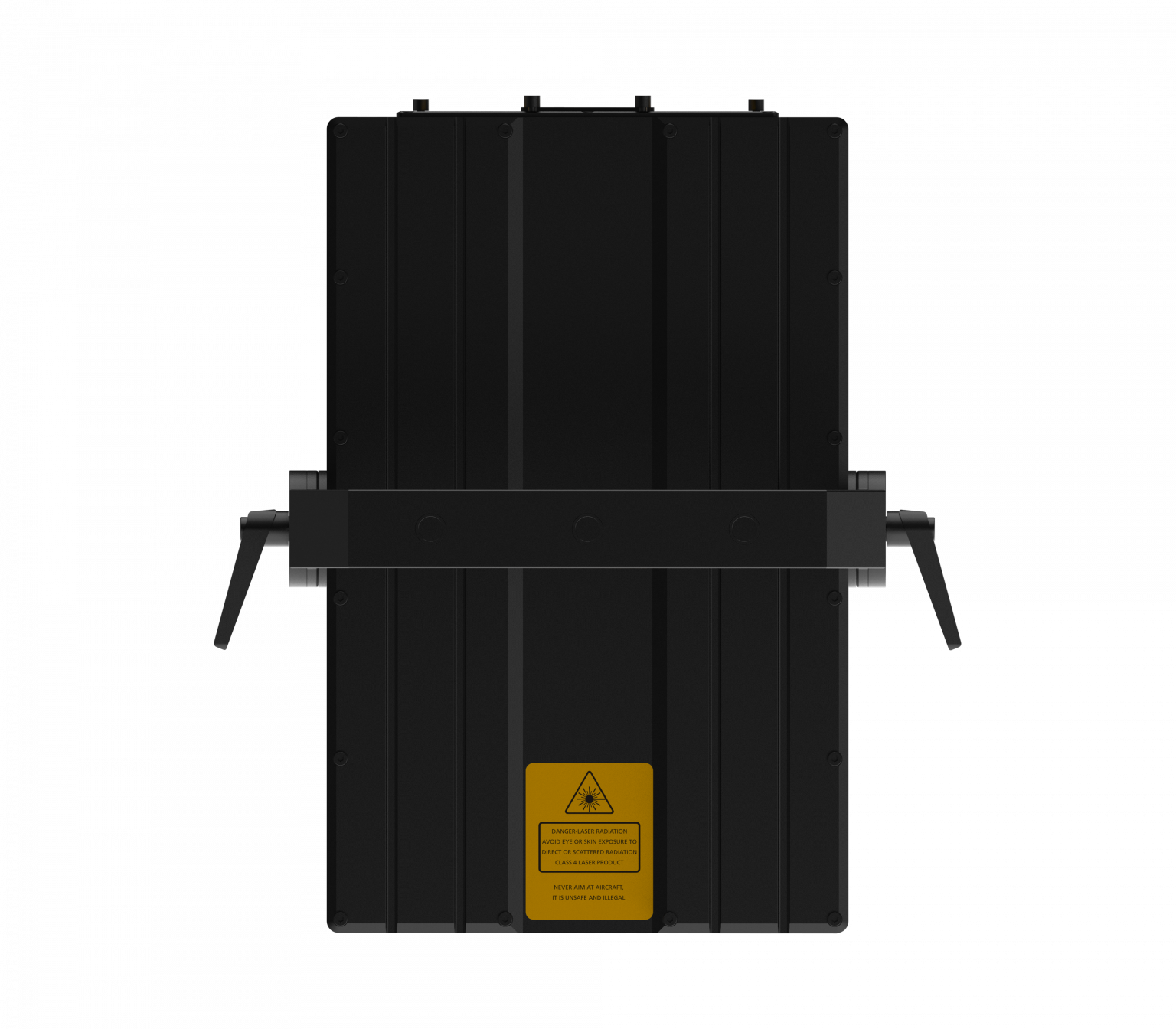
Now think about control. Without edge computing nodes near the fixtures, commands take the scenic route. Every extra hop means drift. Then the rain shows up, and the IP rating gets real. If the can isn’t at least IP65, moisture creeps near the optics. You start riding the faders to mask flicker, but PWM dimming only hides so much. Add a gust, and you’ll see flare and off-target hits. Old-school answers usually say “more power.” But raw watts don’t fix alignment, nor do they clean the optical path. The deeper fix is tighter sync, safer envelopes, and heat that leaves the housing on time—not later.
Next-Gen Thinking: Smarter Control, Weather-Ready Housings
What’s Next
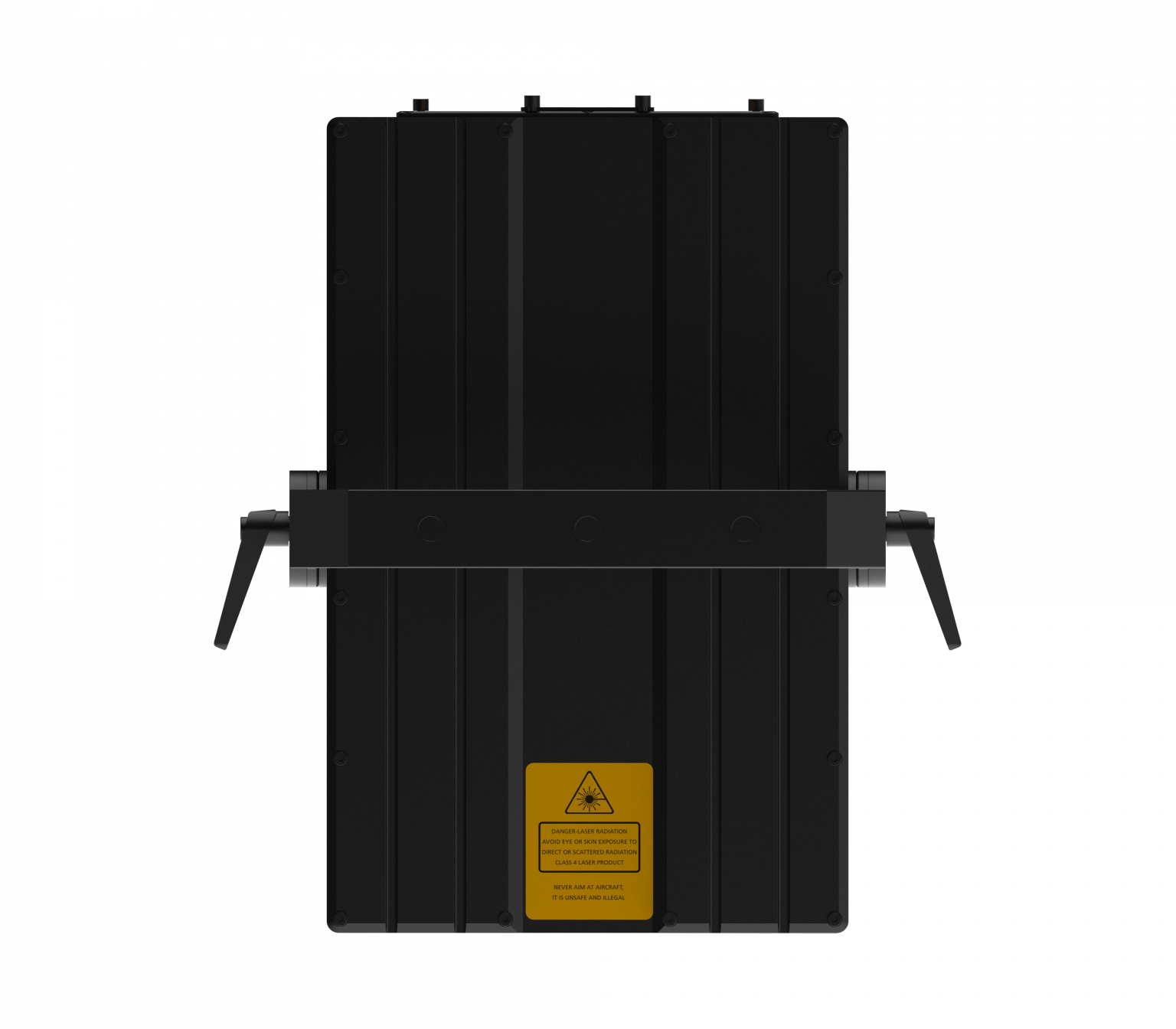
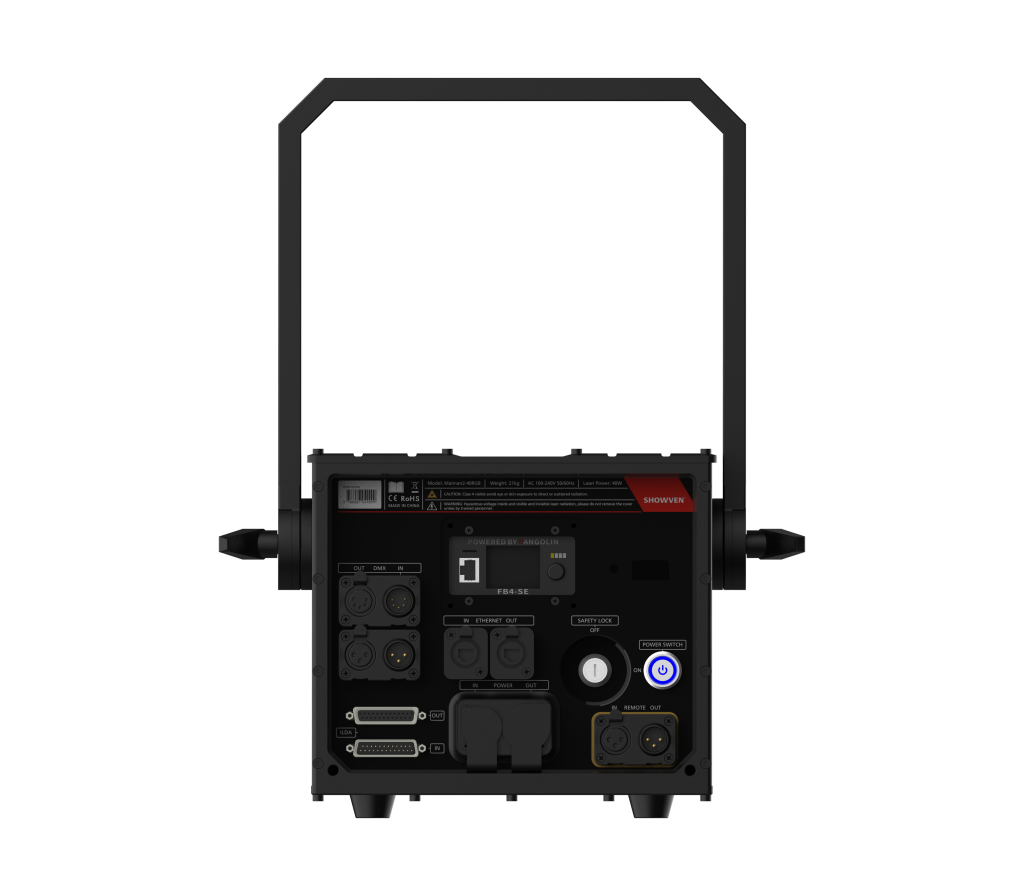
Here’s the forward look, with a light comparative lens. New rigs distribute logic out to the field, so timing lives closer to the diodes. That cuts latency and steadies complex effects when cues stack fast. In practice, small edge nodes talk over robust protocols, hold safe defaults, and keep scanning geometry intact if the console stutters. Couple that with sealed optics, better gaskets, and heat pipes that pull off load before frames blur. A well-built waterproof laser light projector doesn’t just survive rain; it keeps beam quality when the dew point climbs. And no, that’s not overkill—outdoors is where weak seals go to die.
Comparatively, older units hit limits sooner: narrower cooling margin, looser tolerances, and power supplies that sag when the generator swings. The newer approach uses tuned drivers, safer laser modulation, and smarter fault modes. It’s not magic; it’s engineering that respects dirt roads and long nights. We learned the big three: keep control close, keep water out, keep heat moving—then the show hits on time. Different tone, same goal. And the crowd just sees clean lines in the sky—exactly what they came for, y’all.
Choosing Right When the Ground Is Wet and the Clock Is Loud
Let’s tie off the rope and keep it useful. From what we’ve seen, the real wins come when you judge gear by results you can measure. Three quick checks help separate strong kits from pretty spec sheets—no fuss.
1) Control integrity: verify end-to-end latency and cue repeatability under load; edge nodes and stable DSP matter when effects stack. 2) Environmental resilience: look for at least IP65, sealed optics, and proven thermal management that keeps scanners inside spec past sunset. 3) Power stability: demand drivers and power converters that ride generator swings without flicker or dropout—test this, don’t trust talk. Do that, and you’ll spend less time chasing gremlins and more time lighting faces. And if you want a baseline to compare against—just a yardstick, not a pitch—have a look at Showven Laser.
