
Straight talk: what this comparison does for you
When you put a fleet telematics platform next to fleet tracking software, you see not just words but different promises — one says “whole system,” the other says “specific tool.” This guide breaks them down so fleet managers and tech buyers can pick right, especially when handling cold-chain loads. If you run refrigerated routes, you already know how tight the margin is; that’s where cold chain fleet management matters most.
What people mean by the terms
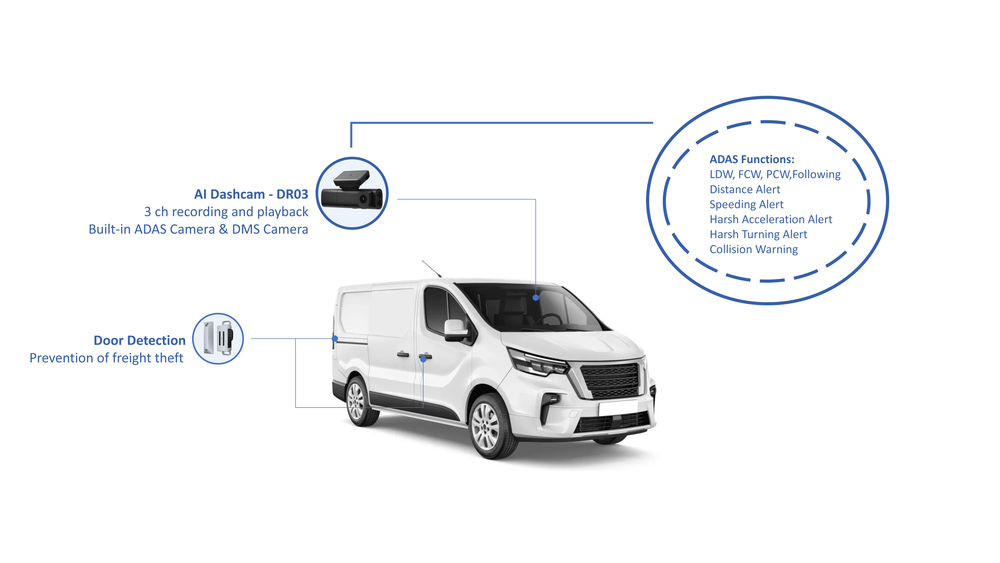
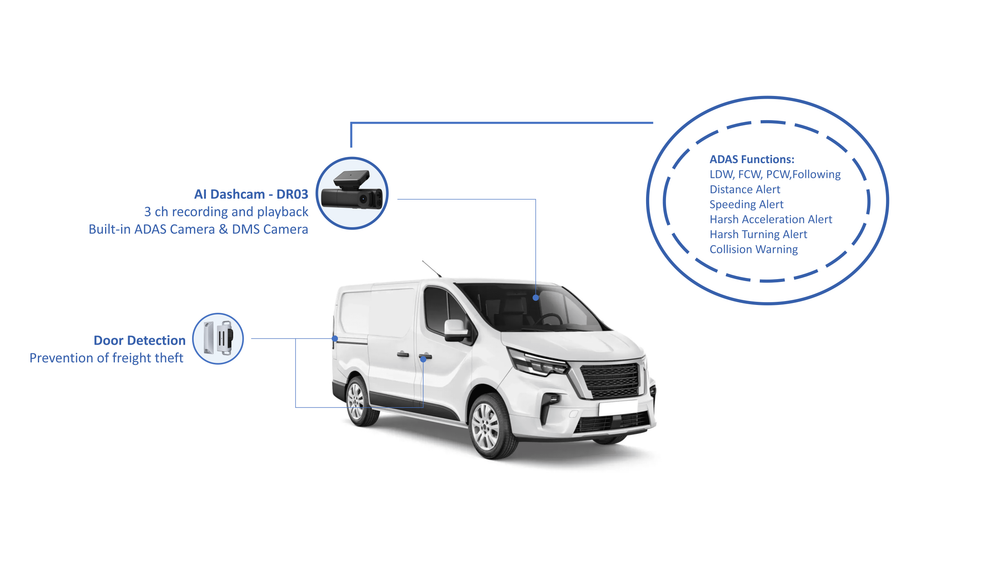
Fleet tracking software: usually a focused application that shows vehicle location, time stamps, route playback. It’s the map and history you open to find a truck. Fleet telematics platform: broader. It ties location to engine data, driver behavior, sensor inputs, analytics, APIs, and sometimes third-party integrations. One is a lens; the other is the whole toolbox.
Feature comparison — useful lens for decisions
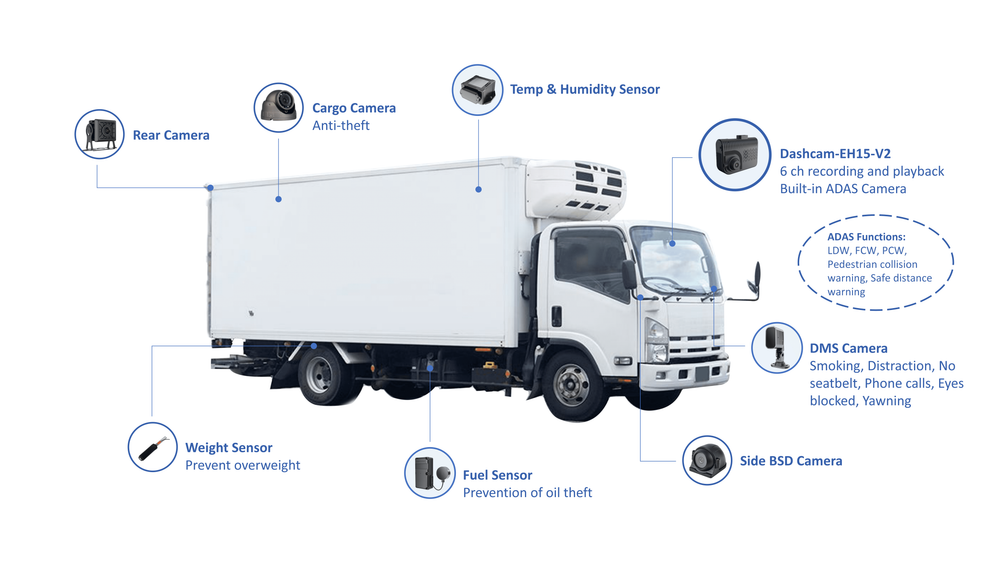
Look at these side-by-side points when you compare offerings:• Real-time GPS: both have it, but platform-grade systems feed that into dashboards and alerts.• Sensor integration: basic tracking may ignore external sensors; platforms accept temperature, humidity, door sensors.• Analytics & rules: platforms run trends, thresholds, and predictive alerts; software often stops at geofencing and simple reports.• APIs & integrations: platforms expose data for ERPs, TMS, and cold-chain control systems; tracking apps often have limited export.• Scalability: platforms handle fleets across regions and suppliers; single-point software is fine for a handful of vehicles.
Why sensors and telematics matter for temperature-sensitive loads
Temperature and humidity don’t forgive. A tracking app that shows a truck’s dot won’t tell you if vaccines or produce warmed up en route. That’s why a full telematics setup that accepts sensor feeds changes outcomes — it lets you detect, alert, and document excursions. Real-world example: during the COVID-19 vaccine rollouts operators relied on continuous monitoring to keep doses within required temperature bands and to provide audit trails. For refrigerated loads that need monitoring beyond location, a temperature and humidity monitoring system becomes part of the baseline requirement, not an optional add-on.
Common mistakes teams make
Teams jump to assumptions. Here’s what trips people up:• Buying a tracking app because it’s cheap, then wondering why they can’t get sensor telemetry.• Choosing a platform with great analytics but no simple mobile access for drivers.• Overlooking data ownership and integrations, so compliance reports become manual work.• Expecting alerts to fix problems automatically — alerts tell you what’s wrong; process and response do the rest.
Questions to ask suppliers
Keep the questions practical:• Can you ingest and timestamp external sensor streams?• How do you handle excursions and chain-of-custody logs?• What export formats and APIs exist for third-party systems?• How do you scale across regions and service providers?• Who owns the raw data, and how long is it retained?
Final read — how to use this comparison
Decide on outcomes first: visibility, compliance, or optimization. If you need simple location for occasional routing, a capable tracking app will do. If you must document temperature and humidity, manage alerts, and integrate with business systems, pick a telematics platform that handles sensors and data governance — the value sits in the way it ties sensor data to operations, not in the map alone. That practical link between sensors, reports, and response is where seasoned teams see ROI, the same place BSJ often fits when customers need end-to-end cold-chain assurance.