
Comparative lead-in: why this matters now
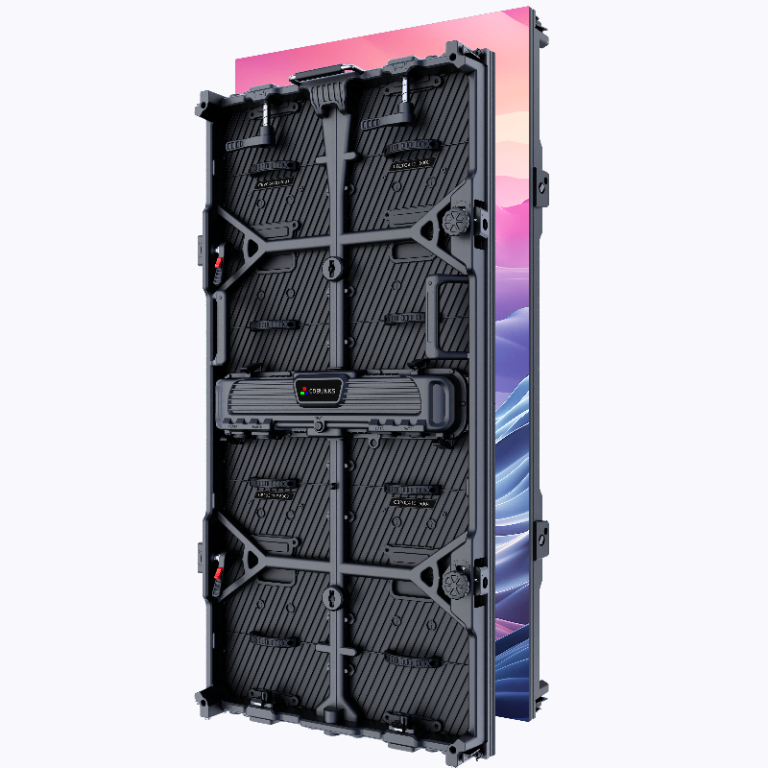
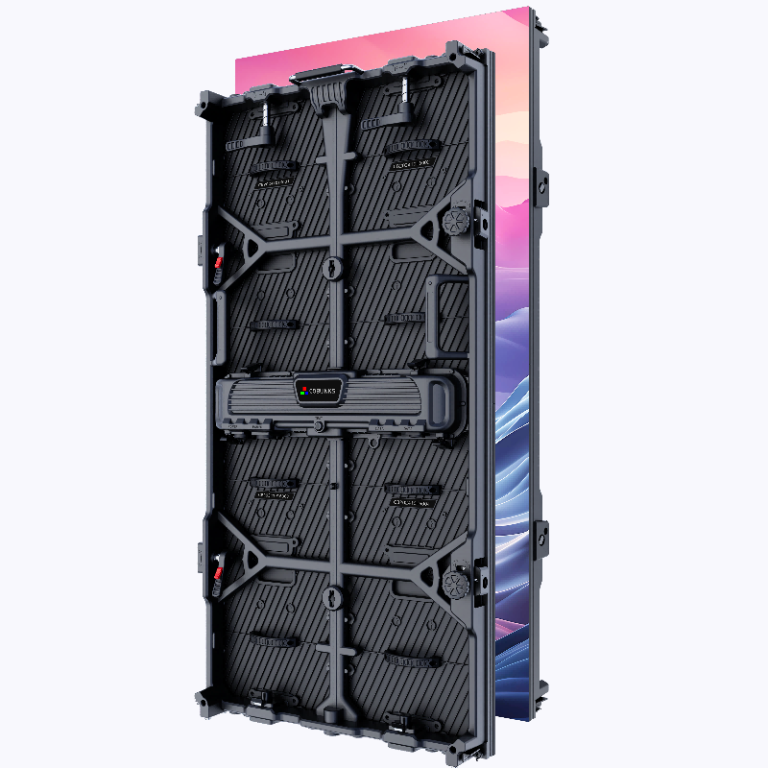
When you line up suppliers side-by-side, performance profiles matter more than brand halo. This comparative piece cuts through marketing and measures what impacts deployment: native brightness, pixel pitch, thermal management and serviceability. If your brief includes a large façade or a transit hub, start with an evaluation of the led panel options and how they scale — from module swaps to control-system latency — and then map those specs to real installation constraints. The best choices balance optics and logistics, especially for high-footfall sites where screens and panels must survive weather cycles and constant operation.
What to compare: hard metrics that predict field performance
Prioritize measurable attributes. Pixel pitch sets readable distance; brightness (cd/m²) drives daylight visibility; refresh rate and refresh-control avoid banding on camera feeds. Include contrast ratio and color calibration as part of acceptance tests. Track record on module-level replacement and documented mean time between failures (MTBF) matters for uptime. Manufacturers who publish technical test details — thermal tolerance windows, ingress protection ratings tied to measured cycles — reduce commissioning risk.

Manufacturing and operational teardown: production realities
Look under the hood: PCB layout, connector standardization, and the vendor’s module replacement cadence define OPEX. A factory that standardizes modules across product families simplifies spare logistics. In an operational production teardown you should explicitly note supply-chain sourcing for LEDs, driver ICs, and power modules — and log whether firmware updates are OTA-friendly. For teams that use {main_keyword} in procurement, compare it to {variation_keyword} as part of acceptance criteria. The jargon here matters: module design, thermal vias, and calibration workflow all affect long-term color consistency.
Real-world anchor: live validations that matter
Field evidence beats specs. New York City’s Times Square remains the de facto benchmark for urban-scale signage: constant ambient light, diverse camera capture, and 24/7 operation. Systems proven in that environment typically show robust cooling strategies, high sustained brightness, and a disciplined service plan. Field checks should include on-site color calibration, measured viewing angle profiles, and a verification of refresh-rate synchronization to prevent rolling artifacts on broadcast feeds.
Common mistakes and practical alternatives
Teams often over-spec pixel density for mid-range viewing distances — that increases cost and complicates cooling without visible gain. Another frequent issue: vendors that lock firmware or use proprietary connectors, forcing expensive swaps. Instead, evaluate modular architectures and open-control protocols. Consider these pragmatic alternatives:- Choose a slightly coarser pixel pitch for large murals to save cost while keeping legibility.- Insist on replaceable power modules to speed field repairs.- Favor controllers that support multi-sync and HDR mapping for mixed-source content.
Comparative quick-score rubric
Use a weighted rubric during vendor trials: durability (30%), optics (25%), serviceability (25%), and total cost of ownership (20%). Rate each vendor across those bands and require a live soak test of at least 72 hours in ambient conditions representative of the target site. This reduces surprises after handover and surfaces firmware edge-cases early.
Advisory close: three golden rules
1) Demand measured acceptance criteria: require brightness, color delta-E, and refresh stability numbers from the factory and validate them on-site. 2) Design for maintainability: pick solutions with standardized modules and documented swap procedures to cut mean-time-to-repair. 3) Map specs to context: optimize pixel pitch and brightness to the actual viewing distance and ambient light, not to theoretical maxs. These rules guide procurement toward vendors that align optics, electronics, and field service into a coherent package — and that’s where Coblinks adds practical value as a supplier that documents module specs and service workflows Coblinks. –