


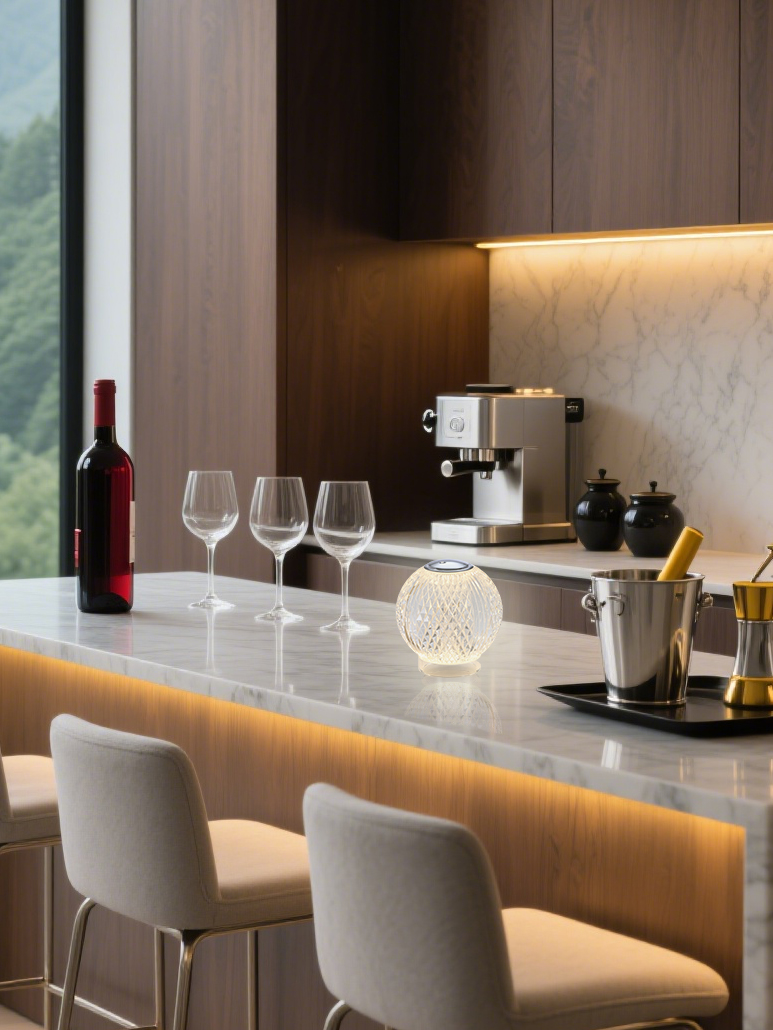
Introduction: A Late-Night Glow, Some Real Numbers, and a Big Question
You ever sit at your desk at 1 a.m., eyes tired, still needing light that doesn’t fry your vibe or your focus? Table lamp companies are racing to shape that little circle of calm on your desk and nightstand. Industry reports keep saying the quiet part out loud: LED table lights keep growing while halogen and CFL fade, and buyers want dimmable comfort with clean lines. So here’s the rub—how do we pick a lamp that’s smooth on the eyes, simple to control, and doesn’t buzz or glare out the room (real talk, nobody wants that headache)? And when the choices look the same on the shelf, what details actually matter for comfort, safety, and cost over time?
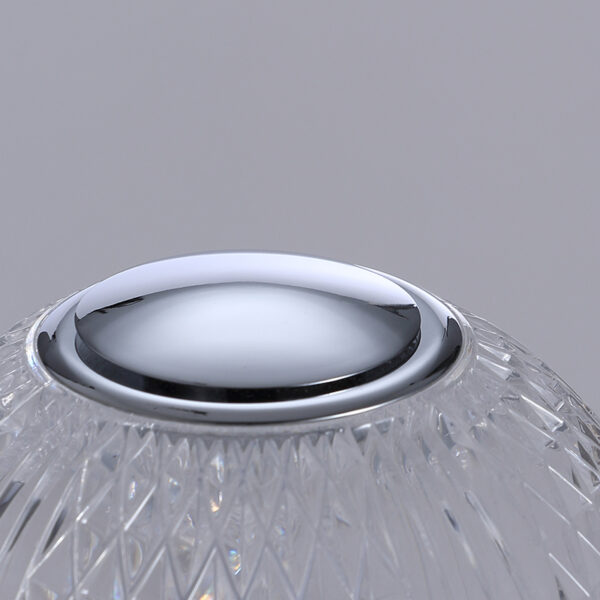
I’m sharing what people miss when they shop fast, plus what engineers measure behind the scenes. We’ll weigh material, optics, and dimming logic. Then we’ll compare how old-school builds stack up against newer acrylic shells and LED drivers. Last thing you want is to pay for a pretty body and get wobbly hardware inside—funny how that works, right? Let’s break it down, then look ahead to where the smart light game is headed.
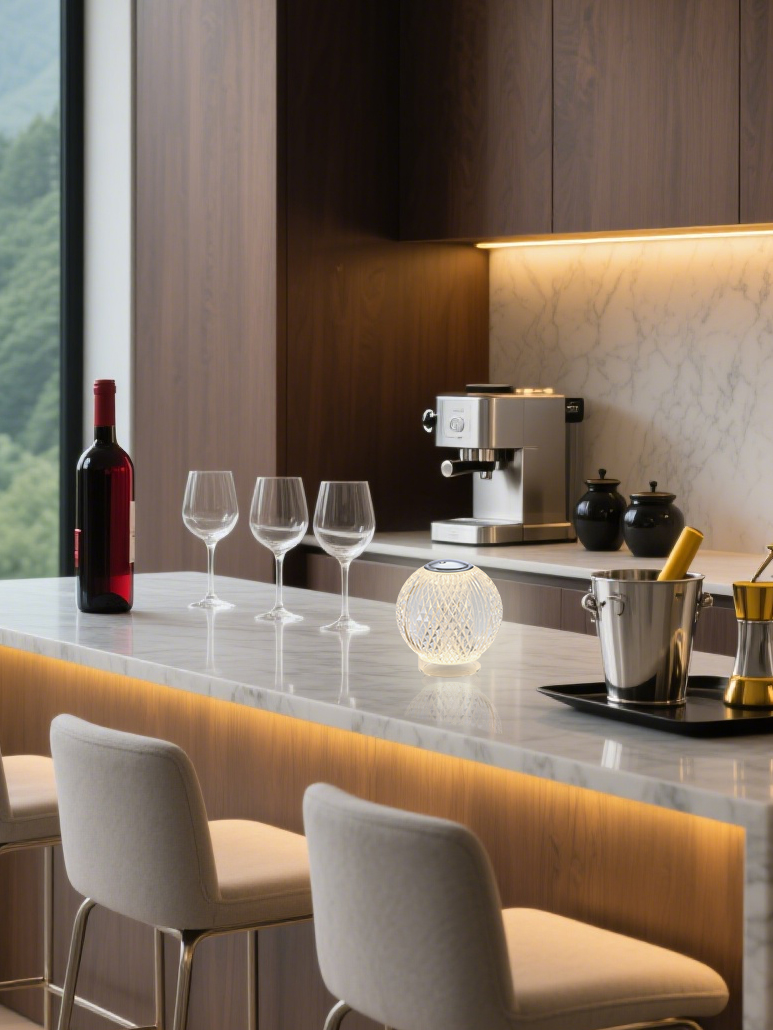
Hidden Pain Points: Why Acrylic Changes the Night Shift
Where do the old designs fall short?
With acrylic table lamps, the deeper story is clarity and control. Traditional glass and fabric shades can throw glare and hot spots if the diffuser isn’t tuned. That strains eyes and washes color. Old bulbs run warm, so thermal management gets messy. Heavy bases help, but even a slight knock can tilt a tall lamp. Then there’s the inside stuff. Cheap power converters hum. Weak wiring heats up the socket. And low-quality dimmers can flicker from sloppy PWM dimming. Look, it’s simpler than you think: unstable current equals unstable light.
Acrylic, done right, acts like a clean optical diffuser, smoothing lumen output without killing brightness. It’s lighter than glass, so you can pair it with a smarter base for better balance. Add a constant-current IC driver and the flicker drops. That supports higher CRI, so skin tones and pages look natural. Old shades also collect dust, and fabric stains too quick. Acrylic wipes down with one pass (and stays looking new). Some worry about yellowing. The fix is UV-stabilized resin and sane heat design—spread the LEDs, manage hotspots, and the shell holds up. When you check a lamp, don’t just eyeball the style; ask how the driver behaves at low brightness—because if it scrolls or stutters, your eyes feel it first.
Forward Look: New Principles, Real Gains
What’s Next
Now let’s compare the path forward—new tech versus old habits. Modern lamps pair surface-mount LEDs with constant-current drivers, so brightness steps feel even. In a solid setup, the acrylic shell works like an engineered diffuser. Light bounces, spreads, and lands soft on the page. Add a smart dim profile and you avoid the jumpy low-end many legacy dimmers have. A well-tuned 3 way dimmable table lamp should ramp without flicker. That’s stable current design, not just a marketing term. Some models bring ambient sensors and simple touch controls—no app maze. Others add edge computing nodes for scenes and presence, though simple wins in bedrooms. The core? Clean optics, quiet drivers, and safe power converters—together. Miss one, and comfort slips.
Case signals are clear. Workers gravitate to lamps that hold color and reduce glare during long sessions—less eye rub, fewer breaks. Dorm rooms want light that shifts from study to rest fast, no buzz. Families care about cool-touch shells around kids. Acrylic helps on all three—lighter, safer, and easy to clean—and that changes the game. As you sort options, use three checks. One: photometric smoothness at low dim; press and see if text stays steady. Two: color rendering; CRI 90+ keeps faces and food real. Three: thermal behavior; touch near the driver path after 30 minutes—warm is fine, hot is not. If a lamp clears those, you’re already ahead. Keep it simple, keep it steady, and let the room breathe—and if you want a point of reference on materials and builds, take a look at makers like kinglong for how these choices show up in practice.
