Introduction — a shop floor evening, numbers, and a question
I was watching a welder shut down after a long day, and the fumes still hung in the air like they didn’t know it was quitting time. By some counts, poor ventilation can raise particulate exposure by 30–60% in small shops (and that’s not small potatoes). Fume extraction technology often gets blamed for problems it didn’t cause, but are we asking the right questions about how we design and use these systems? Well, I reckon we aren’t—so let’s dig in and make this useful, y’all. (No fluff—just real fixes.)
I’ll walk you through what I see every week on the floor, share the stuff that actually moves the needle, and point out what wastes money. Next up: why the standard setups trip people up, and what hidden pains get ignored — so you can spot them before they cost you time or health.
Part 2 — Why standard systems let users down
dust fume extraction units are sold on specs, but real shops tell a different story. The specs love ideal conditions; real life has leaks, dull ducts, and operators who forget to switch things on. In short: systems that look fine on paper often fail under real workflow. I see three common technical failures: mismatched fan curves, undersized filter media, and poor capture hood placement. Those failures show up as poor capture efficiency, frequent filter clogging, and higher energy draw. HEPA filters and cyclone separators are great — but only when matched to the actual particulate size and airflow dynamics of the process. Look, it’s simpler than you think: measure, match, and monitor.
What exactly breaks first?
Fans run, but capture drops. VFDs (variable frequency drives) are installed for savings, yet teams never tune them to process cycles. Filter media gets choked because nobody graded the dust loading correctly. I’ve watched systems with high static pressure because joints and bends weren’t accounted for during design. That means more energy use and less capture. When I say it out loud, it’s obvious — but it keeps happening. We need practical fixes: proper duct design, matched fan curves, and scheduled maintenance driven by real data, not just calendars.
Part 3 — Forward-looking fixes and a real example
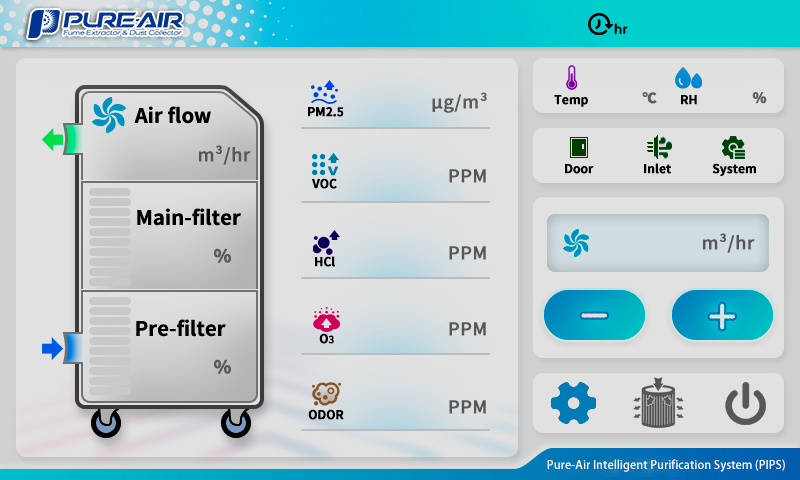
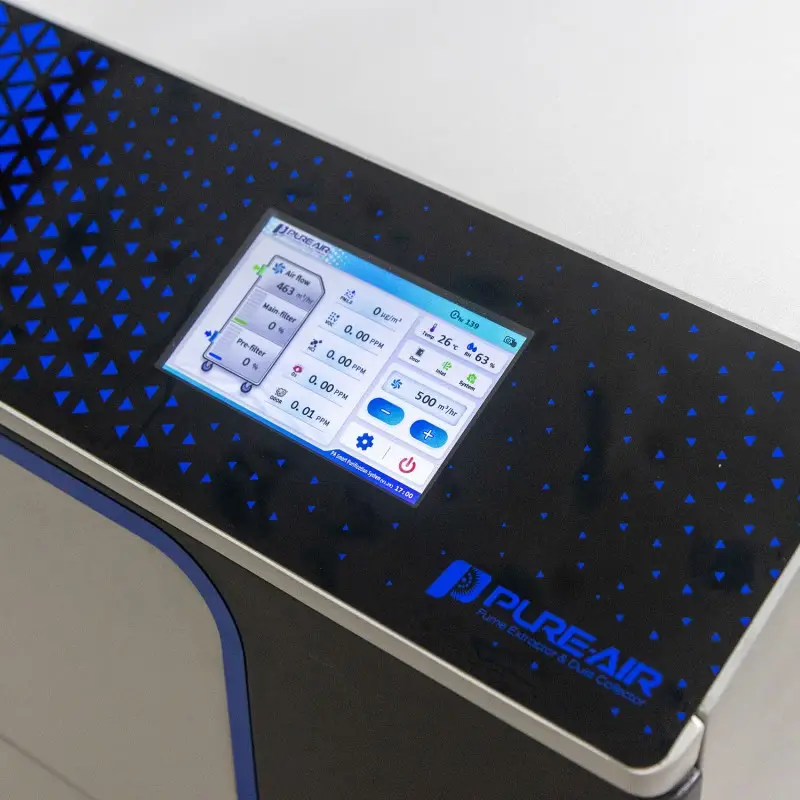
Let me tell you about a small fabrication shop I helped recently. Their old hood setup pulled air fine at the fan inlet, but weld smoke escaped at the joint. We swapped the hood for a better-capture design, added a short, straight duct run, and installed a simple airflow monitor that reports hourly. Within a month, visible smoke dropped and filter life stretched out. We also tested a compact, localized unit that balanced capture with low noise — small footprint, big results. This case shows how combining good design, monitoring, and modest tech upgrades can change daily outcomes for workers. I like to call that common-sense engineering — and yes, it felt good to see immediate wins.
What’s next for system design?
Going forward, I advise evaluating three metrics before you buy: capture efficiency at the source, actual energy use (not just rated watts), and filter lifecycle cost. Measure air changes per hour (ACH) where people work. Consider edge computing nodes for local monitoring if you want remote alarms without the fancy cloud price. And don’t forget basic power converters and VFD tuning — they save money over time when set right. These points will guide you more than glossy brochures. — funny how that works, right?
To wrap up, I’ve said it bluntly because I care about what works. Match equipment to the process, monitor actual performance, and prioritize three evaluation metrics: source capture, operational energy, and filter life. Those will stop you from wasting money and keep folks breathing easier. If you want to see practical systems that follow these rules, check what firms like PURE-AIR are doing in the field — they show how sensible choices pay off.