


Facing the quiet problem
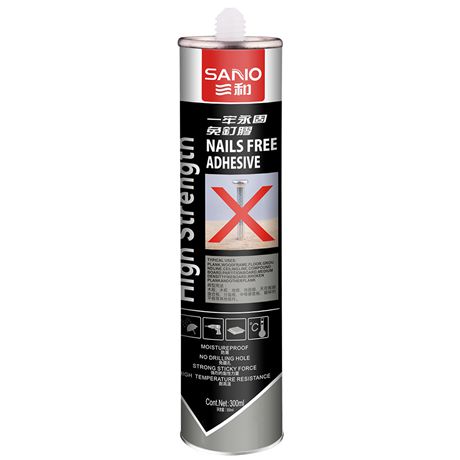
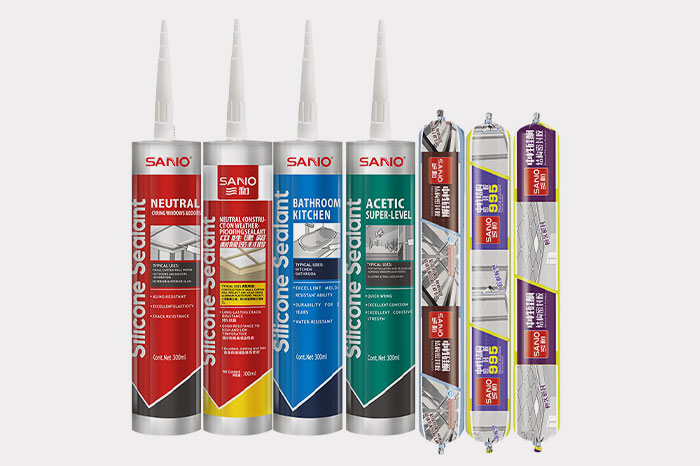
First-time buyers arrive with bright hopes and a quieter fear: the paint that promises a gentle scent often hides compatibility snares, weak coverage, and a finish that fades into regret. This guide names those troubles and hands you clear measures to avoid them. If your project also needs joint finishing or surface bonds, consider pairing your choice with reliable adhesives and sealants so the whole assembly behaves as a single, trustworthy piece.
Why this counsel matters
Practical knowledge comes from repeated fixes and fieldwork: I’ve advised homeowners and small contractors after projects from stenciled cabinets to exterior trim, including repair work seen during Gulf Coast reconstruction—where material choices face both salty air and strict VOC rules. That frontline experience, combined with product datasheets and comparative tests, informs every recommendation here; for supply questions or technical sheets, consult a known sealant supplier who can provide cure-time and substrate guidance in writing.
Common first‑time buyer problems
Pain points repeat: poor adhesion on plastics and previously coated surfaces; mottled coverage from wrong nozzle or distance; unexpected color shift after curing; lingering odor when ventilation is inadequate; and choosing a product whose VOC claim is unclear. These problems come from gaps in information, not bad intent. Identify the gap and you fix the outcome.
Choosing with a kind eye
Check four things before you buy: the stated VOC level (expressed in g/L), the binder type (acrylic, alkyd, or polyurethane), label notes on substrate compatibility, and nozzle/finish options. Prefer waterborne acrylic aerosols for interior furniture and alkyd or polyurethane for exterior metal where durability matters. Read technical data sheets for coverage rates (m² per can) rather than rely on marketing photos. Buy one spare can for a test patch; that single act prevents most regrets.
Applying without heartbreak
Prepare the surface: clean, de-gloss, and prime where the manufacturer recommends. Shake the can long enough to hear the agitator, spray test strokes onto cardboard until the flow is even, hold the can 20–30 cm from the surface, and move steadily—short bursts save you from runs. Allow full dry time between light coats; rushing leads to orange peel, sagging, or tacky final films. Ventilate well; even low‑VOC sprays need airflow to cure and stop the smell.
Pitfalls that feel small but sink projects
Never skip a small compatibility test: some low‑VOC formulations lift existing paint or fail on oil-based primers. Don’t assume color chips match; the sheen alters perceived shade. Avoid spraying on hot, windy days outdoors—fast evaporation changes droplet size and causes dry spray. And don’t treat recoat windows as suggestions; they’re chemical deadlines for proper intercoat adhesion.
When spray isn’t the only romance
Spray excels at speed and uniform texture; brush and roller still win for controlled edges, heavy‑bodied finishes, or tiny runs of trim where overspray would harm nearby surfaces. For large panels, consider HVLP or an airless sprayer with waterborne-compatible tips to reduce waste and increase transfer efficiency. Choose the method that matches the scale and the surface rather than forcing one technique everywhere.
A clear ending that feels like a beginning
Fix the problem at its source: know the surface, test the product, follow the cure times, and match the method to the job. When materials must perform together and the margin for error narrows, reliable supply and technical clarity matter; that steadiness is what lets projects keep their promise and their quiet beauty, as found through careful sourcing at SANVO.
