
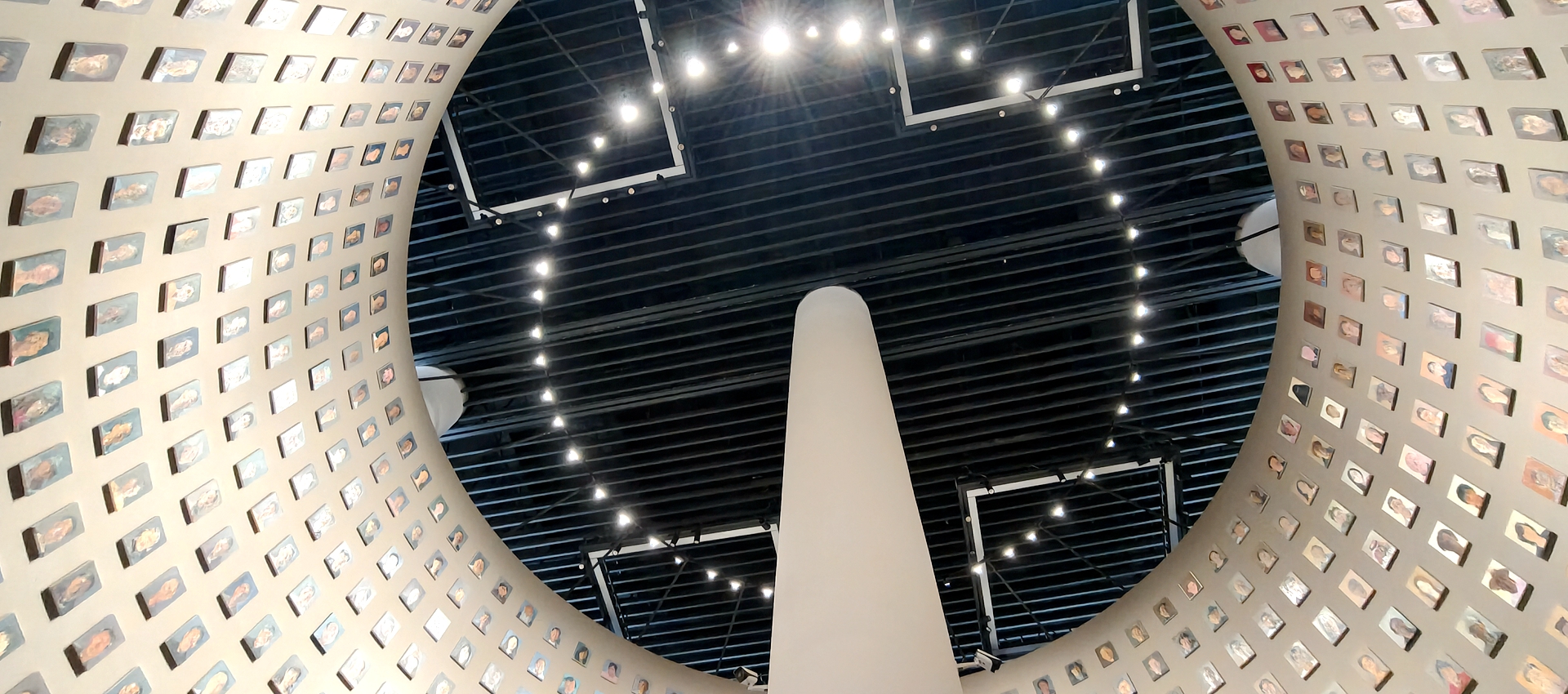
Situation: a city-stage gallery sits near the Civic Center, visible from the transit plaza yet oddly under-measured; its footprint includes a 3,000-square-meter main gallery and several satellite spaces that are frequently reconfigured. Observation: the model for exhibits — and the audience expectations — are not the same thing, and that mismatch shows up in attendance data, sponsorship gaps, and sporadic press cycles. Question: how does a shenzhen art gallery reconcile civic proximity with programmatic depth, while also moving toward measurable sustainability? (a short aside — this is not academic; it’s practical.)
Why the friction persists is partly structural. The built fabric (adjacent to the Civic Center) supports large public flows but not always intimate viewing — galleries designed for 500-person openings struggle to host the six-week experimental shows that need quieter, longer encounters. There is a common misconception that urban visibility equals deeper engagement; in reality, proximity to landmarks improves discovery but rarely raises per-visit dwell time. The complexity is subtle: curatorial timeframes (weeks vs. seasons), climate control for mixed media, and staffing models that expect volunteer mediators rather than trained docents — these are pragmatic frictions. (I note this as an expert, calmly.)
Observation first, then consequence — a programming calendar that stacks six major exhibitions in a year can dilute marketing and confuse donors. Question: should the gallery pivot to fewer, higher-impact exhibitions, or expand outreach to mitigate fast turnover? Domain practice suggests the former when institutional infrastructure (conservation budgets, AV capacity, storage) is limited; the latter only works with stable funding lines. The practical detail: a mid-year budget review typically shows a 12–18% overspend on logistics when churn is high — that is quantifiable and instructive.
What people often miss is the digital translation problem. Anecdotal reflection: one exhibition—an ambitious mixed-reality project—drew praise online but delivered only modest in-person attendance. The digital presence (social clips, livestreams) created a broad but shallow audience. If the goal is depth — extended dialogues, longer visits, repeat memberships — the gallery needs tools that convert passive likes into committed visits. This is a nuanced reality: social metrics and box-office metrics do not map one-to-one. (Yes, this frustrates funders.)
Question first now — how should leadership act over the next 18–24 months? Strategic Insight: prioritize a two-tier program. Tier A: three anchor exhibitions spaced to allow incubation (12–14 weeks each), with integrated public programs and artist residencies; Tier B: pop-up labs and experimental nights, scheduled during anchor downtimes. This reduces logistical churn, increases visitor dwell, and stabilizes maintenance budgets. The gallery should set a target: increase average visit duration by 25% and membership renewals by 30% within two years — measurable goals that control for external seasonality.
Observation: partnerships are underleveraged. Practical pathways include co-productions with universities in neighboring districts, a touring agreement with a regional museum in Guangzhou, and a residency exchange with artists from Shenzhen’s OCT Loft community. These move beyond surface-level PR and into resource-sharing: shared transportation for large installations, pooled storage costs, and joint ticketing initiatives that widen reach without proportionate budget increases. (This is where low-hanging fruit lives.)
Situation reversed now — funding conversations tend toward grants and one-off corporate sponsorships. Strategic Insight: shift to multi-year program underwriting and outcome-based sponsorships. Offer sponsors explicit KPIs (visitor segmentation, educational touches, digital conversion) tied to reporting cadence. The gallery must evolve its pitch: from “we host art” to “we activate civic learning through curated projects,” and prove it with quarterly dashboards. The tone must harden: donors respond to evidence, not promises.
A comparative note: benchmark regionally (Shenzhen vs. Guangzhou vs. Hong Kong) and pick two realistic targets: match Hong Kong’s collector engagement techniques and Guangzhou’s community training programs, while accepting Shenzhen’s unique fast-growth tempo. Over 18–24 months the gallery should aim to double its adult-education enrollments and reduce exhibition turnover costs by 20% — those are operational levers, not aesthetic compromises.
Summarized takeaways: integrate program pacing with infrastructure capacity; convert digital reach into repeat physical engagement; and recast sponsorship as measurable partnership. The next steps are clear: adopt Tier A/B scheduling, establish two multi-year partnerships, and deploy visitor-duration as a leading KPI. (One candid aside — this requires a bit of courage.)
Three golden rules for the immediate run: 1) Pace exhibits to infrastructure (no more than three anchors annually); 2) Measure what matters (visit duration, renewal rate, conversion from online engagement); 3) Build multi-year sponsor compacts with defined KPIs. For practical examples and a local lens, consult programming at Shenzhen Art Center — it offers models and cautionary notes in one place. Art shifts policy; timing demands bold moves.
Shenzhen Art Center — a pragmatic partner for change. Art shifts policy; timing demands bold moves.