
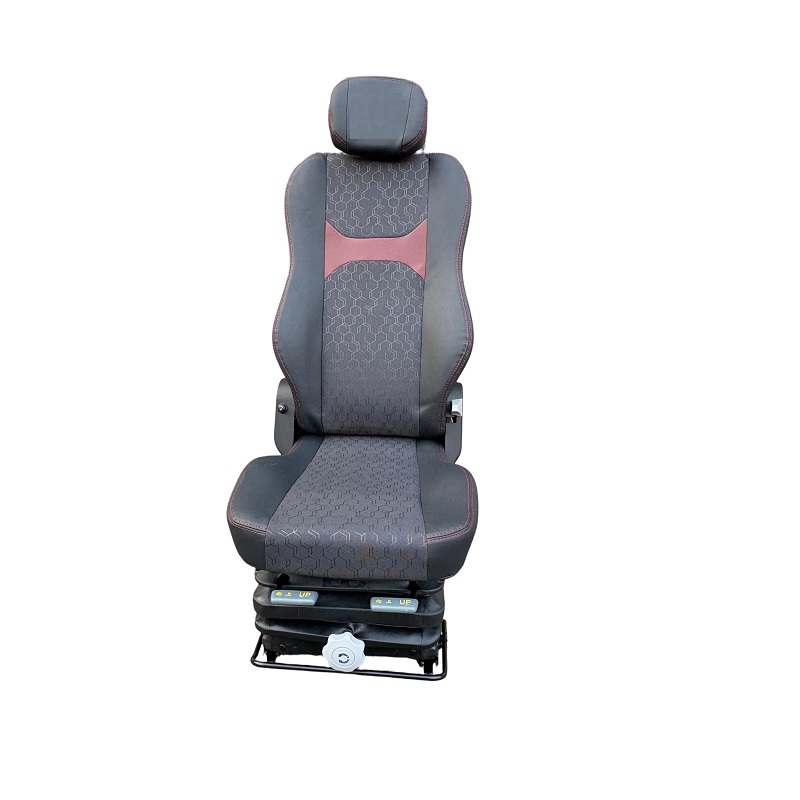
Market snapshot and immediate implications
Procurement managers and fleet CFOs evaluating seating for new tractors should compare functional class rather than brand alone. Early 2026 inventories favor modular designs that reduce downtime and total cost of ownership; units with field-replaceable components and clear service BOMs command premiums. A practical example: swapping to a custom truck seat specification that standardizes on one suspension kit can cut parts SKUs by up to 30% across a mixed fleet.
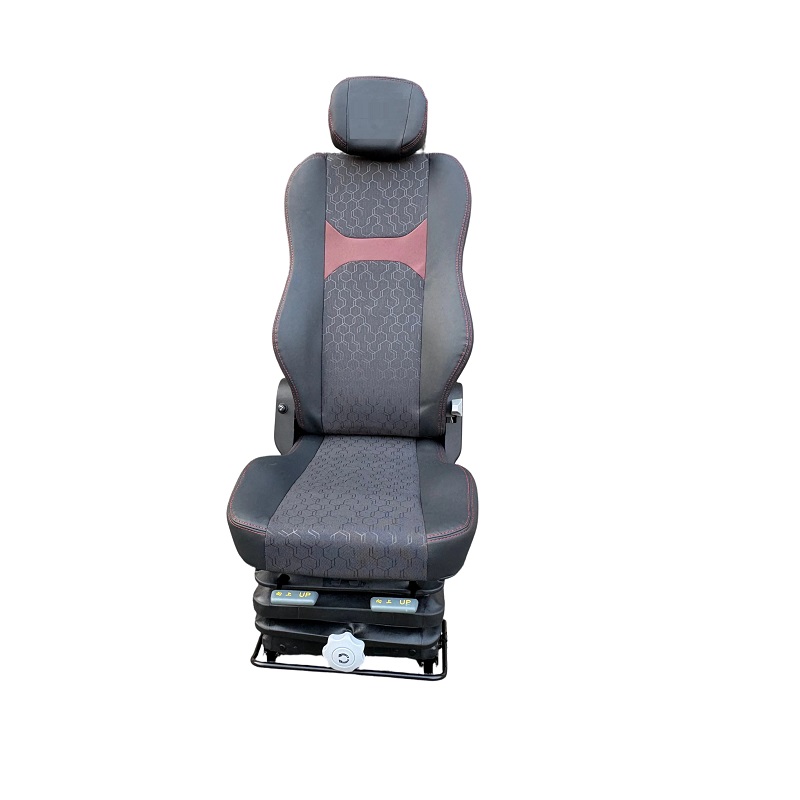
Head-to-head: OEM tractor seats versus commercial truck solutions
When mapped against heavy haul usage, OEM tractor seats typically prioritize form fit and integration, while aftermarket heavy duty truck seats emphasize durability and adjustability. Key differentiators are suspension type (mechanical versus air-ride), lumbar support range (measured in mm of travel), and foam density (kg/m³). Fleet-level comparisons should normalize on lifecycle metrics: mean time between service (MTBS), warranty cost per seat-year, and retrofit hours per unit. The FMCSA 11-hour driving limit is a practical anchor for duty-cycle analysis—drivers regularly approach long continuous-hours profiles where ergonomics and seat suspension materially affect fatigue and claims exposure.
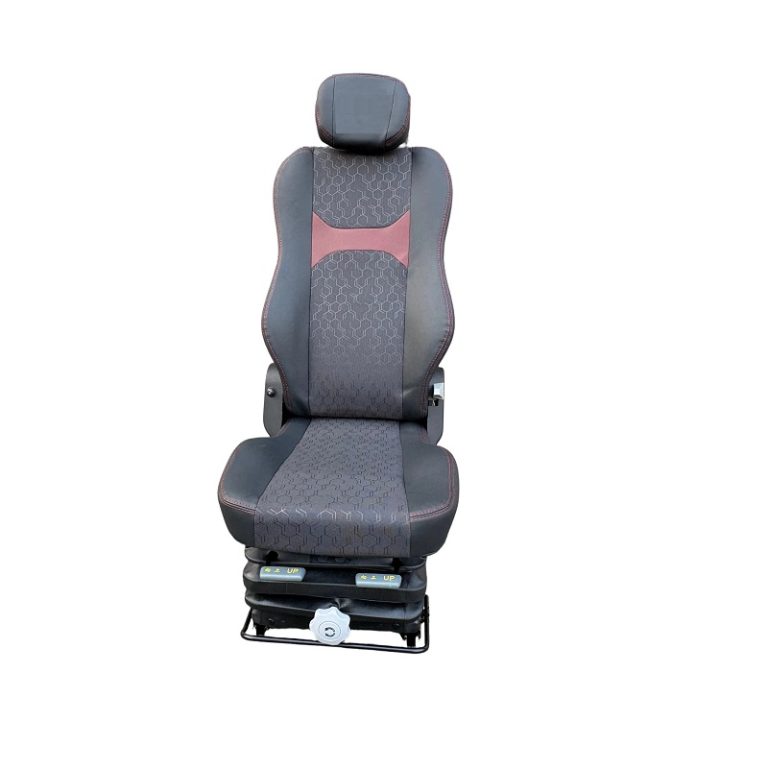
Operational production teardown: what to inspect on the shop floor
In on-site teardown sessions prioritize these checks: weld quality on seat rails, actuator tolerance on height and tilt, foam density tests at 25% and 75% compression, and integrity of the air suspension bellows under a 10,000-cycle dynamic load. Record cycle durations, leak rates (ml/min), and actuator backlash (mm) to quantify maintenance burden. Include documentation of material traceability for the base plate and mounting hardware. For sourcing briefs, specify both heavy duty truck seats and custom truck seat options so OEM and supplier quotes are directly comparable on specification and price-per-seat-year.
Common procurement mistakes and practical alternatives
Buyers often prioritize sticker price and ignore retrofit complexity; that drives higher lifecycle expense. Avoid ordering multiple frame types that require adapter kits—those add labor and alignment variance. Instead, consolidate on a single seat rail profile and select an air-ride or mechanical suspension module that fits that rail. Short-term cost saving on low-density foam is another error: repeated foam replacement multiplies downtime. Consider polyurethane foam rated for 120–150 kg/m³ for high-duty applications — it keeps cushion resilience longer and reduces warranty claims. Also evaluate certified vibration attenuation figures rather than marketing claims; manufacturers should provide measured transmissibility curves rather than single-number claims — real data shows variance across frequencies.
Alternatives to evaluate
When OEM integration is restrictive, the mid-market aftermarket offers convertible mounting kits and standardized air-ride modules that cut retrofit time. For urban or mixed-use fleets, hybrid seats combining mechanical spring pre-load with small air bladders balance cost and comfort. For long-haul tractors, prioritize full air suspension seats with multi-zone lumbar support and replaceable cover systems for hygiene and quick turnaround.
Three golden rules for procurement (Advisory)
1) Evaluate on seat-year economics: calculate acquisition + expected maintenance + downtime cost, then divide by projected service years. Use real operating hours rather than estimated averages. 2) Require performance data: transmissibility curves, foam compression tables, and leak-rate tests (provide exact test durations, e.g., 10,000 cycles at 1–2 Hz for bellows). 3) Standardize interfaces: unify seat rails and electrical connectors to minimize adapter kits and bench time—this reduces retrofit labor by a predictable percentage.
These metrics translate technical choices into balance-sheet outcomes and make supplier comparisons transparent — and they position seating as a controllable line item rather than a sunk operational risk.
Source One — pragmatic, measured solutions for seat procurement and lifecycle management. —