
Spotting the problem in your space
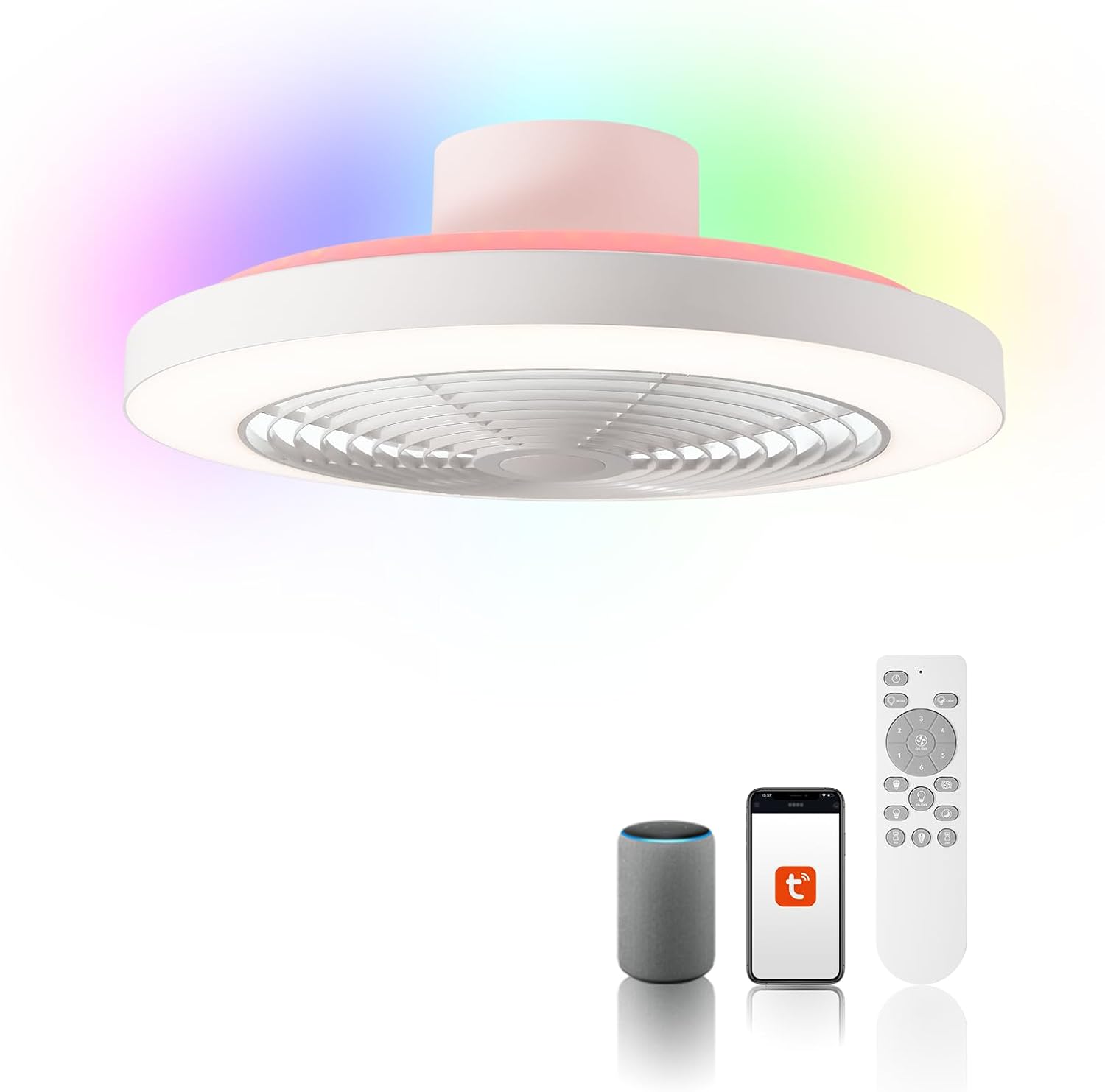
You know the feeling — one corner of the lounge stays warm, the other feels breezy, and the ceiling light throws shadows that make the room look tired. That’s classic air stagnation and dead-zone behaviour, often caused by poor furniture layout, low airflow, or an ill-placed fan. If you’re thinking about a modern solution, consider a bladeless ceiling fan with lights for even circulation and cleaner sightlines. In Cape Town flats and small Johannesburg homes, this combo often sorts things out quicker than chasing bigger wall fans — true story from a mate’s bachelor pad last summer.

Why room layout and fan type matter
It’s not just about fan power — it’s about how air moves around obstacles. Sofas, tall bookcases and closed cupboards create pockets where air barely reaches. Fan specs like airflow (CFM) and mounting height influence how well circulation penetrates those pockets. A bladeless design usually gives smoother air distribution and less turbulence, which helps avoid that oscillating patchwork of hot and cool spots. Plus, built-in lighting kills two birds with one switch — neat for open-plan spaces.
Choosing the right rustic-look bladeless fan
Rustic aesthetics don’t have to mean bulky blades. Look for models that match the vibe — wood-effect housings or matte bronze finishes — but keep the tech in mind too: motor efficiency, variable speed control, and a damp-rated motor if you’ll use it near a kitchen or covered patio. If your ceiling’s low, a low profile bladeless ceiling fan is a good shout; it keeps the mounting height safe while still delivering decent airflow. Don’t be fooled by looks alone — specs matter.
Placement and installation tactics that actually work
There’s a simple rule: aim for balanced coverage. Centre placement works for most rooms, but when you have a long rectangle or a broken layout (think L-shaped living/dining), offset or dual units can cure dead zones. Consider these practical tips:
- Measure mounting height: maintain 2.4–2.7 m clear where possible for optimal circulation.
- Use slow speeds for gentle whole-room drift, higher speeds for quick cooling near seating areas.
- Complement with return-air paths — don’t block doorways or vents.
Also, if you’ve got a pendant or beam in the middle, think about a multi-directional unit or two smaller fans instead of one oversized fixture — it’s less fiddly and gives better crossflow. —
Common mistakes people make (and how to avoid them)
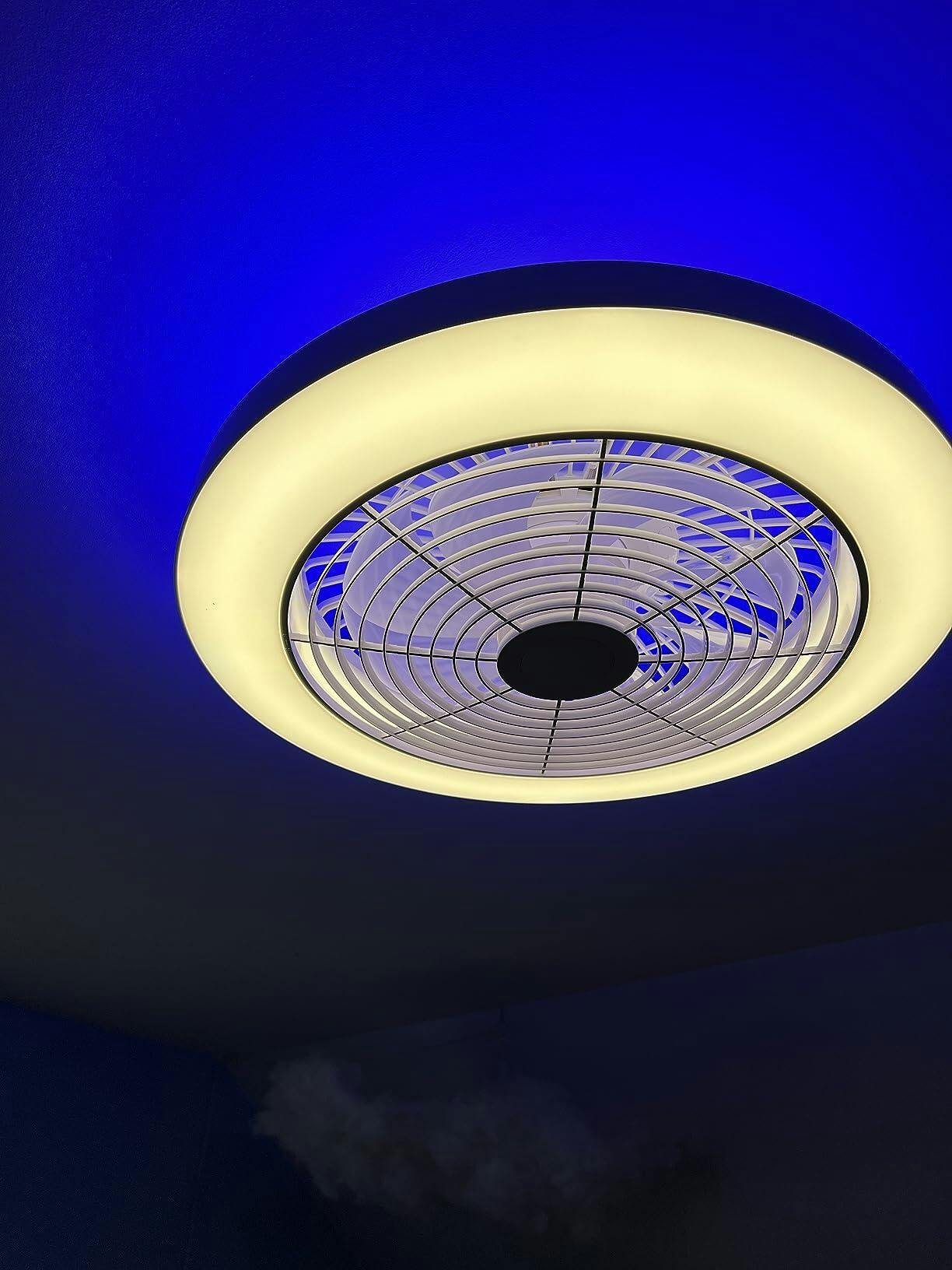
Brands and look are tempting, but these slip-ups cause most failures: over-relying on fan size instead of placement, ignoring CFM and speed range, and assuming a fan’s light will be bright enough without checking lumens. Another frequent error is poor coordination with HVAC — fans should assist, not fight, your existing system. Test with a simple smoke or incense trail to see real airflow in corners before fixing everything in place.
Quick checklist before you buy
Use this short checklist to avoid buyer’s remorse:
- Confirm mounting height and clearance.
- Check motor warranty and energy efficiency ratings.
- Match CFM to room volume (living rooms need more than bedrooms).
- Decide if damp-rating is necessary for your space.
Three golden rules for choosing and placing fans
1) Prioritise measured coverage: expect consistent airflow to reach every seating area, not just the centre. Measure room volume and compare against CFM specs.
2) Design for circulation, not decoration: pick a fan whose airflow profile matches your layout — low profile options help where ceiling height is limited.
3) Coordinate systems: ensure the fan works with your lighting plan and HVAC for efficient whole-room comfort.
All in all, sorting dead zones is mostly common sense — right placement, sensible specs, and a fan that fits your room’s story. In many South African homes, that balance lands nicely with a well-chosen bladeless unit that looks rustic but performs modern. Orison helps stitch those bits together — from the airflow tech to the finish, it’s a tidy solution for awkward spaces. —