

Opening — why think long-term now
As demand for green, natural fragrance ingredients climbs, brands must plan for tomorrow — not just next quarter. If you are mapping scent portfolios or reformulating to meet consumer preference, consider p menthane hydroperoxide early in your sourcing conversations because its availability and quality will shape batch stability and oxidative profiles down the line. The future-speculative lens asks: what happens if a primary supplier tightens exports, or if regulatory shifts nudge formularies toward safer peroxides? You want pathways that protect aroma fidelity and manufacturing uptime.

Market signals and the real-world anchor
We learned supply lessons the hard way during the COVID-19 pandemic in 2020 — global logistics and raw material flows stopped, and cosmetics firms felt it. That event is our anchor: it proves shocks happen and that single-source dependency is a liability. For ingredients like p‑menthane hydroperoxide, which play a role in fragrance chemistry and oxidation control, planning for such disruptions is basic risk hygiene. Think of oxidative stability, peroxide concentration, and vendor diversification as essentials, not extras.
A practical sourcing framework
Use a four-layer approach: (1) Chemistry fit, (2) Multi-tier sourcing, (3) Traceability & compliance, (4) Buffering strategy. Chemistry fit means confirming the ingredient’s specification matches your formula’s oxidative tolerance and fragrance profile. Multi-tier sourcing reduces dependency: primary maker, regional backup, and an alternative tech partner. Traceability covers test certificates and impurity profiles, while buffering is about inventory policy and staggered purchase commitments. This framework keeps fragrance integrity intact when market winds change.
How to evaluate suppliers — a quick scorecard
Score candidates on three straightforward metrics — quality consistency, responsiveness, and scale flexibility — then add two technical checks: certificate of analysis (CoA) history and batch-level peroxide assay. A practical checklist might look like this:
- Quality consistency: track record of CoAs and out-of-spec incident rate.
- Responsiveness: lead-time adherence and contingency communication.
- Scale flexibility: ability to ramp volumes without new tooling or reformulation.
- Technical checks: peroxide concentration reporting and impurity profiles.
These measures link procurement decisions to lab reality — you get less surprises on the fill line.
Supplier selection nuances and chemistry considerations
Not all suppliers are equal in terms of stabilization expertise. Some will offer antioxidant packages or formulation guidance to mitigate oxidation; others simply ship batches and leave the rest to you. Look for partners who understand peroxide handling, storage temperature controls, and proper packaging to limit degradation. Also note naming conventions — you may see the ingredient referred to as para menthane hydroperoxide in some specifications; cross-check CAS numbers and CoAs to avoid misbuys. —
Common mistakes brands make
Brands often stumble by buying only on price, assuming purity equivalence, or skipping real-world compatibility tests. Mistakes to avoid:
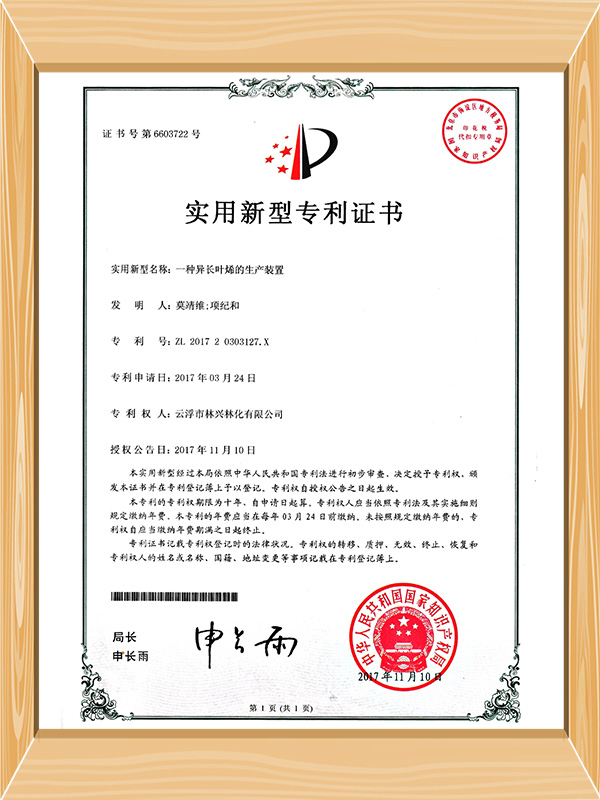
- Accepting a generic spec without batch impurity data.
- Failing to run the ingredient in your stability protocol (scent drift, peroxide assays).
- Overlooking logistic risk: single port, single carrier dependencies.
Fix these by insisting on pilot runs, documented QA criteria, and at least one geographically separate backup supplier.
Alternatives and complementary strategies
If sourcing constraints make p‑menthane hydroperoxide scarce, explore formulation tweaks: swap in functionally similar oxidizing agents (with full toxicity and regulatory checks), increase antioxidant systems, or reformulate fragrance top-notes. Each alternative carries trade-offs for aroma and cost — test early and keep consumer-facing claims aligned with ingredient reality.
Advisory — three golden rules for robust sourcing
1) Measure supplier reliability quantitatively: require historical CoA consistency and documented lead-time adherence. 2) Insist on chemical traceability: CAS, impurity profile, and peroxide concentration must be verifiable per batch. 3) Build operational buffers: maintain minimum safety stock, diversify freight routes, and qualify one alternate supplier. These three rules reduce both supply shocks and formula drift, delivering predictable production runs.
When you want a partner who blends technical rigour with steady supply planning, consider the value that focused chemical suppliers bring — they help keep your scent stable, compliant, and on shelf. Linxingpinechem. —