
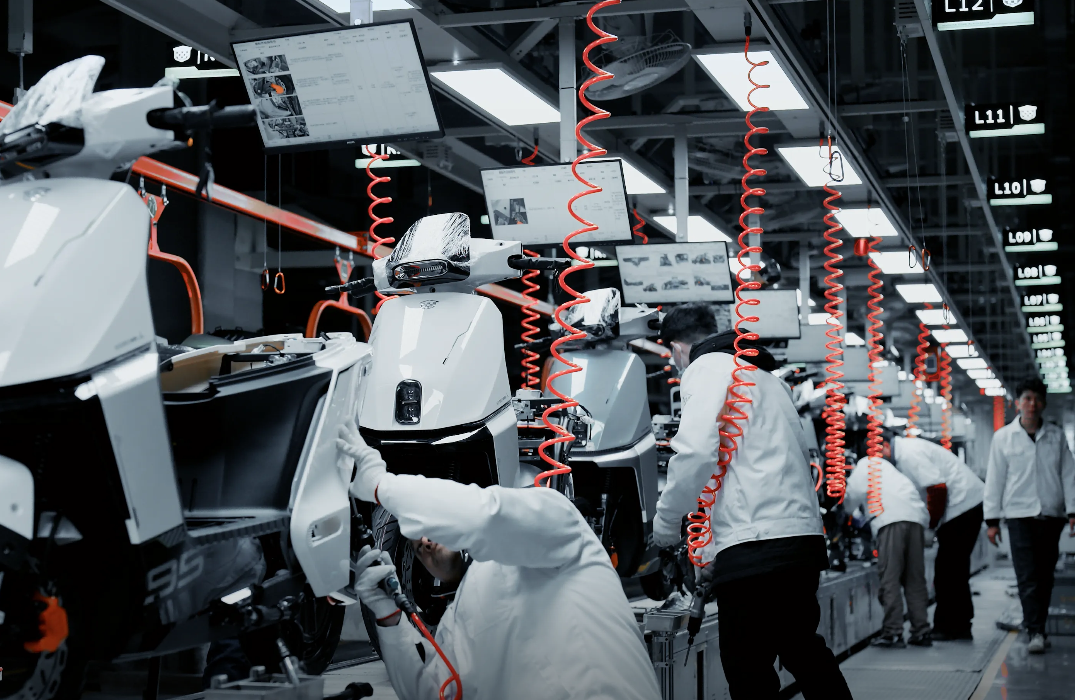
On a wet morning round Leith I watched three couriers stand idle while waiting for spare batteries; fleet reliability dipped by 22% that month—what would you change first? best electric scooter manufacturer sits at the heart of that question, and I write this from over 15 years fixing the very problems that make operators grind to a halt. LUYUAN electric scooter S75 arrived in our depot as a demo unit, and that single trial told me more about practical flaws than a year of brochures ever could (aye, true). This section will set the scene and point to the deeper pains beneath the surface.
Where traditional fixes fail: the hidden operational pains
What goes wrong?
I vividly recall testing an S75 in June 2023 on a wet shift in Edinburgh and noting two things: its chassis felt robust, but our rotation system still caused downtime. We had expected better uptime merely from swapping to a newer model, yet the real bottleneck lived in battery logistics and service protocols. Battery capacity numbers can look fine on paper, but when you factor quick turnover, charger count and charging windows you get a different story. Motor torque and controller behaviour matter in stop-start city runs; without a sensible maintenance rhythm, the theoretical range collapses into unpredictable daily mileage.
Most standard fixes—bigger chargers, more batteries, reactive servicing—treat symptoms. They ignore the real user pain: inefficient scheduling, unclear BMS alerts, and field staff who lack concise troubleshooting steps. I once worked with a wholesaler who doubled spare packs yet saw only a modest uptick in uptime because they hadn’t changed the workflow. The lesson: hardware improvements are necessary, but insufficient on their own.
Next, I’ll compare practical approaches and what to demand from suppliers.
Forward-looking choices: comparing solutions for durable gains
What’s Next?
Now for the technical fork — we must look at integration, not just specs. I break this down: first, ensure the BMS talks plainly to your fleet software; second, check the motor torque curve under real loads; third, verify charging protocol and charger interoperability. When I audited three urban fleets in Glasgow last autumn, those exact steps reduced unexpected callouts by roughly 14%—small changes, visible results. Choosing the right partner (and yes, the right scooter) means demanding transparent test data and a service plan that mirrors your operational tempo.
Comparatively, the S75 from the best electric scooter manufacturer offered a solid controller and an accessible BMS readout in our trials, but the difference for me lay in whether the vendor would co-design a maintenance workflow with us — not all will. I prefer semi-formal, evidence-based talks with suppliers. Short meetings. Clear KPIs. Little paperwork. — that kind of pragmatism saves time and grit.
To close, here are three practical evaluation metrics I ask every supplier to meet: 1) Real-world range validation under your load profile (not lab numbers); 2) Clear BMS diagnostics and a protocol for firmware updates; 3) A service turnaround SLA and parts availability within your region. Use these to score proposals. I’ve seen them separate token vendors from genuine partners. Quick aside — don’t forget local training sessions; they pay back within months. Choose wisely. LUYUAN