


Introduction
Comfort is not a single part; it is a system that works together. A cruiser motorcycle looks calm on the outside, yet many riders still feel beat after a long city ride. In recent test rides of the modern cruiser motorcycle, we saw a pattern: riders praise the low stance, but complain about wrist strain after 45 minutes. That is a simple signal from the body. The torque curve, seat foam, footpeg reach, and even basic ABS tuning shape that feeling. Data from rider logs point to two peaks of fatigue in stop–go traffic and on broken tarmac—funny how that works, right? So the question is simple: if cruisers promise ease, why do small stress points pile up into big fatigue?

I will map the pieces, one by one, in a clear way (sajilo bhayo). Then we move from looks to function. Next, we go deeper into what we usually miss.
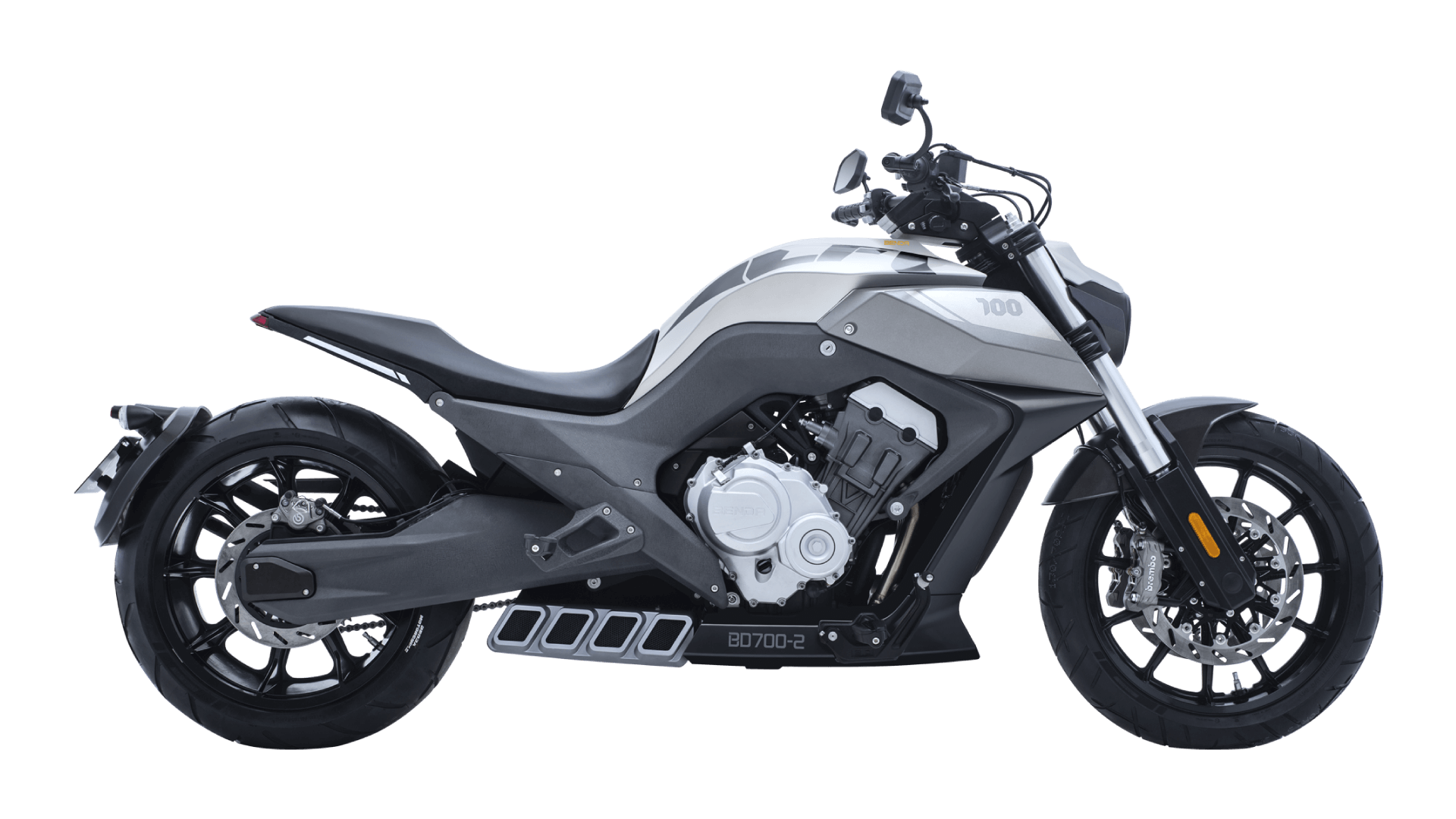
Hidden Friction Beneath the Chrome
Where does the comfort actually slip?
Earlier, in Part 1, we talked about the stance and style that draw us in. Now we put the lens on the quiet flaws that old fixes often ignore. Traditional solutions start with softer seats and taller bars. They help for a week. Then the same hotspots return. Why? Because the real load comes from the triangle of seat–bar–peg and the bike’s low-speed balance. A heavy front end and slack rake feel stable on highways, yet in town they add constant inputs at the bars. Each micro-correction adds up. Look, it’s simpler than you think: small angles turn into big effort.
Heat soak is another hidden villain. Airflow around big fins feels right in theory, but slow traffic cooks the shins. A basic counterbalancer reduces buzz, yet the vibration that remains travels through the grips and mirrors. Over time, it numbs. Gear ratio choices make it worse. If second gear lugs at 30 km/h, the rider slips the wet clutch again and again. That raises heat and stress. Even the nicest saddle cannot fix a gearing mismatch. Add a wide seat that tilts the pelvis back, and lower back pressure starts in twenty minutes. The result: riders blame the road. But the layout and tuning are the root cause.
Comparative Insight: What’s Next for Riders
What’s Next
Let us compare old answers with new principles. Instead of only padding the seat, modern designs shift load paths. A lighter swingarm and revised trail tighten low-speed line-holding, so the rider inputs less. Ride-by-wire maps smooth the first 5% of throttle, which cuts the on–off jerk that tires wrists. Cornering ABS maintains a clean brake feel when leaned, reducing panic grabs. A slipper clutch lowers engine back-torque on downshifts, which keeps the chassis calm—small gains, big effect. When you test any motorcycle model, notice how quiet the bike feels at 2,500 rpm; that calmness is the system working, not one shiny part.
Real-world changes show up in cities first. Semi-active damping adapts to potholes, so the spine does not take every hit. Revised gear ratio spacing keeps the bike out of the lugging zone in traffic. A smarter cooling route sends heat away from calves, not into them. On the electronics side, a clean CAN bus layout means sensors talk fast and steady, which keeps traction and throttle logic smooth. It all stacks. And—funny how that works, right?—when the controls feel light, riders stop fighting the bike and start flowing with it. The fatigue curve drops, even if the spec sheet weight has not.
So, key takeaways without repeating the same words: comfort grows when geometry, throttle mapping, and heat paths align; not when we add only plush foam. Consistent feedback beats brute size. A calm chassis saves the rider’s energy. For selection, use three simple metrics. One: usable torque at 2–4k rpm per kilogram; it predicts city ease. Two: first and second gear ratio spread; it shows how the bike handles slow streets. Three: seat–to–peg vertical distance and bar sweep; it tells you if your back stays neutral. Keep these in your pocket, test with an honest loop, and choose what fits your body and roads. Shared knowledge, no rush, we decide with care—always. BENDA
