
The Practitioner’s Promise
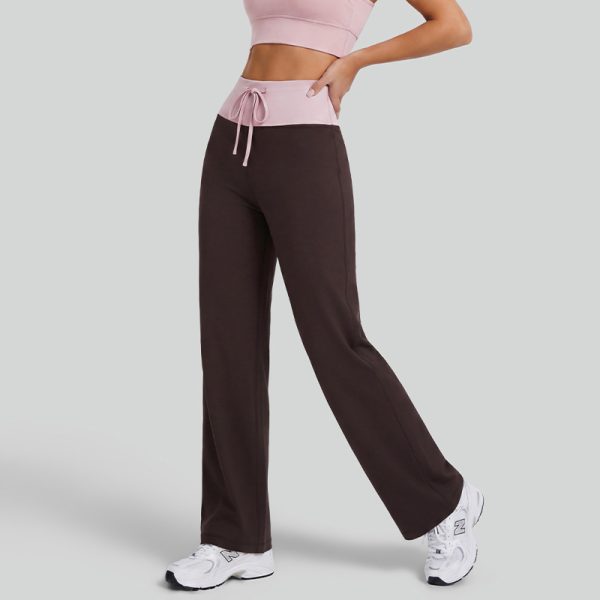
Soft light gathers at the edge of a mat and the body seeks clothing that listens—this is the user’s prayer, and custom garments answer with intimate fit. For those who choose gear that feels like a second skin, a thoughtful crop top must marry warmth and breathability; likewise, pairing it with custom yoga leggings completes the ritual. Gentle design choices—moisture-wicking panels and four-way stretch—become quiet companions in every asana, letting the mind drift while the fabric simply holds.
Why Fit Feels Like Care
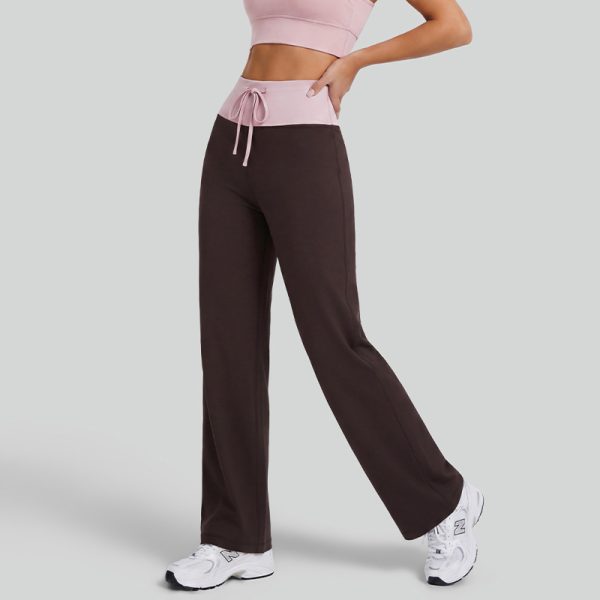
A user-centric view begins with touch: seams that lie flat, hems that do not ride, a silhouette that honours posture. These are not merely technical specs; they are assurances. Flatlock seams reduce chafe and protect tender skin during long flows. A modest crop with long sleeves balances warmth for slow mornings and breath for hot vinyasa, and thoughtful sleeve length can cradle the wrist without restricting transition—this is design that serves the body’s narrative.
Materials and Making: The Gentle Mechanics
Fabric choices read like love letters. Recycled yarns, soft-brushed interiors, and targeted mesh insertions where heat pools—each decision shapes practice. In practical terms, manufacturers tune knit density and stitch patterns to manage stretch recovery and durability, mindful of MOQ and turnaround time in production planning. From the studios of Rishikesh to small ateliers near the Los Angeles Fashion District, makers balance artisanal care with technical performance—an honest, worldly anchor for anyone who values provenance.
Operational Production Teardown
When we look under the hood—an operational production teardown—we note the stages that truly matter to a buyer: fabric sourcing, pattern grading, prototyping, and quality checks. Here, {main_keyword} and {variation_keyword} appear as guiding requirements in tech packs and fit briefs. Attention to sampling cycles and final inspection prevents surprises; a functional gusset and correct hem allowances mean fewer returns and happier practitioners. For designers, aligning sample approvals with the right MOQ secures both creative control and supply reliability.
Common Missteps and Compact Alternatives
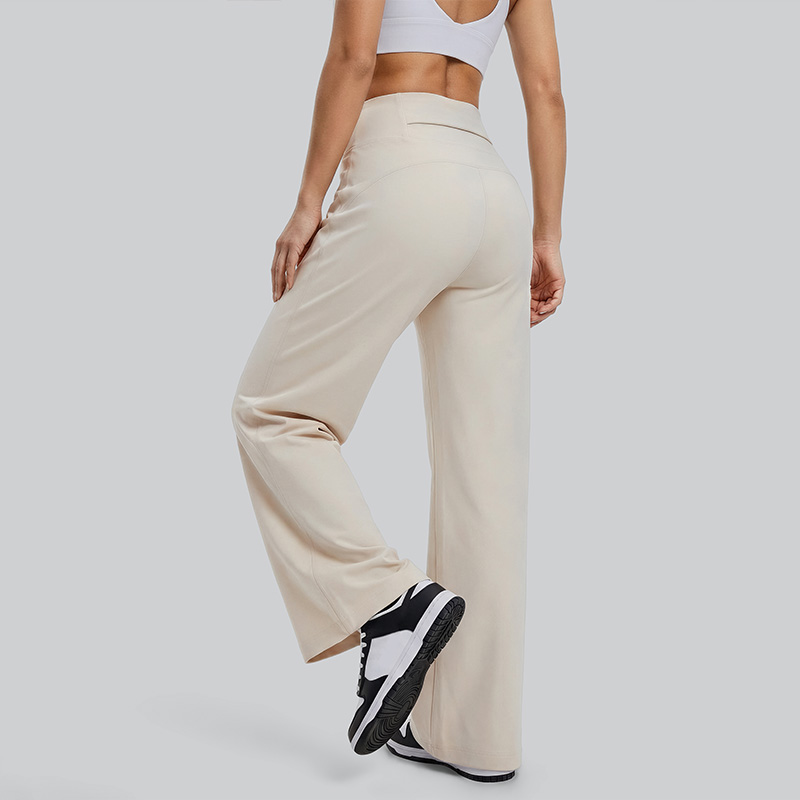
Buyers often chase novelty without noticing the small betrayals: thin knits that pill after a few washes, elastic that surrenders its grip, or prints that fade. A kinder route is to prioritize stitch quality and dye stability up front. Alternatives abound—long-sleeve options with removable thumb loops, cropped fits with higher back rises, or hybrid jackets that convert into wraps. Small choices make a big difference in longevity.
From Practice to Purchase: A User’s Checklist
Design this checklist like a vow to your practice: 1) Verify fabric weight and moisture-wicking claims; 2) Inspect seam construction—flatlock or reinforced—to reduce chafe; 3) Confirm return and repair policies so your gear stays with you through seasons. These metrics are practical and enforce trust; they turn a garment into a steady companion rather than a fickle accessory.
Closing Guidance
Three golden rules to carry forward: prioritize material integrity over trend, insist on fit trials that reflect your most used poses, and confirm production transparency so your pieces age gracefully. Expect measurable outcomes when you follow them: fewer replacements, more consistent practice, and a deeper comfort that supports flow.
For the practitioner who seeks garments that feel like an embrace, the value lies in thoughtful manufacture and honest design—quiet promises fulfilled by makers who understand the body and the practice. Joebond. —