
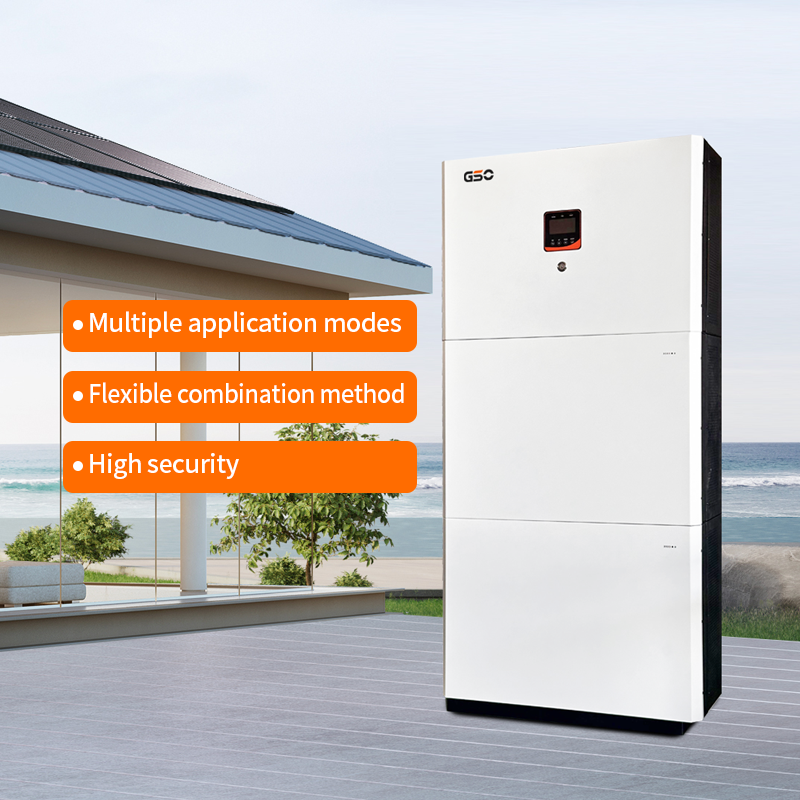
Clear user comparison up front
For a homeowner wanting backup that actually works during outages, the choice is between systems that prioritise inverter efficiency or systems that prioritise anti-islanding safety — both must be good, but one often gets more attention. Look at installations after the California Public Safety Power Shutoffs in 2019–2020: households with properly configured grid-tie and backup setups kept lights on longer. If you plan to convert your rooftop into a whole-house backup, consider a battery backup for home that balances inverter performance and safety features from the start. The practical difference shows in energy available during a blackout and how quickly the inverter reconnects to the grid once power returns.
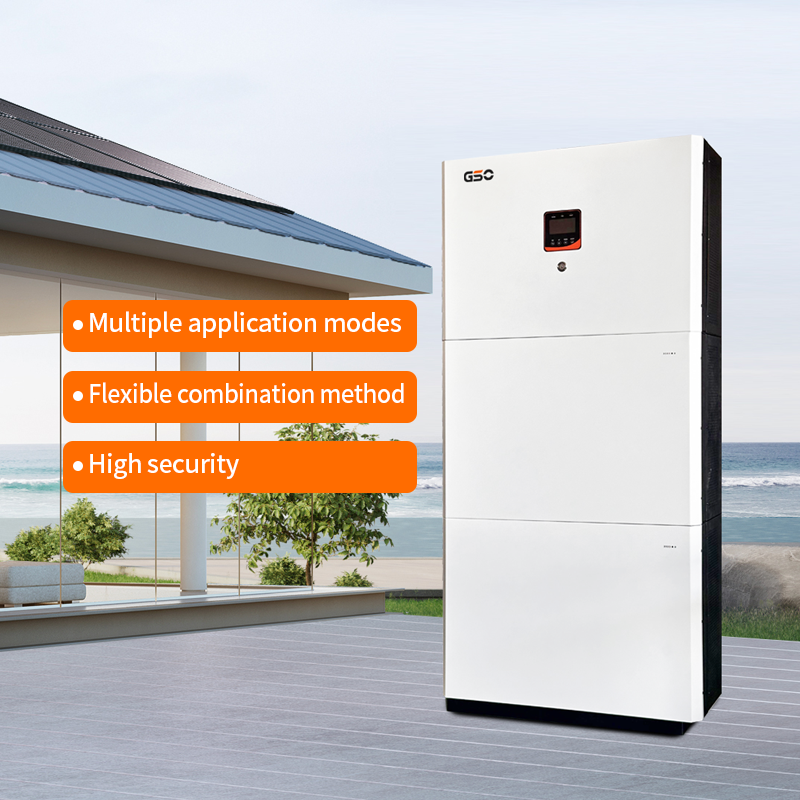
Why inverter efficiency and anti-islanding both matter
An efficient inverter reduces losses when converting DC from the PV array and battery to AC for your appliances; that’s direct savings. Anti-islanding, meanwhile, is not just compliance — it protects utility workers and prevents dangerous backfeed when the grid is down. A system that skimp on one or the other creates trade-offs: high efficiency but poor islanding detection risks safety; strong anti-islanding but old inverter tech wastes stored energy. Both features shape runtime, heat management, and long-term reliability.
Comparative insight: hybrid inverter vs separate components
Look at two common approaches. One: hybrid inverters that handle PV input, battery charging, and grid-tie switching in a single unit. Two: dedicated grid-tie inverter plus a separate battery inverter/charger and transfer switch. Hybrid units simplify commissioning and often have advanced anti-islanding built-in. Separate-component systems can be more flexible for future expansion and sometimes offer slightly better inverter efficiency per function — but more wiring and complexity. Pick based on priorities: compact integration or modular upgradeability. Little caveat — integration lowers points of failure, but when something goes wrong, diagnosis may take longer.
Common mistakes households make
People often overspec the PV array without matching inverter capacity, or they select batteries without checking the battery management system (BMS) compatibility. Others assume a basic grid-tie inverter will handle seamless transfer during a blackout — not true unless it supports secure islanding and has an automatic transfer mechanism. Poorly sized transfer switches or wrong trip settings cause unwanted shutdowns or dangerously long reconnection times. Avoid these by matching inverter continuous rating to peak household loads and confirming anti-islanding standards are met.
Practical checks before you buy
Use this short checklist when evaluating options: check inverter efficiency at realistic output levels (not just peak spec), confirm anti-islanding certification and detection methods, and verify the battery system’s BMS communicates with the inverter for safe charging and discharge. Also check whether the transfer switch is automatic and fast enough for sensitive electronics. If you want a ready example to study, compare feature lists of a good solar battery bank for home with modular systems — you’ll see how integration simplifies settings and warranty coverage.
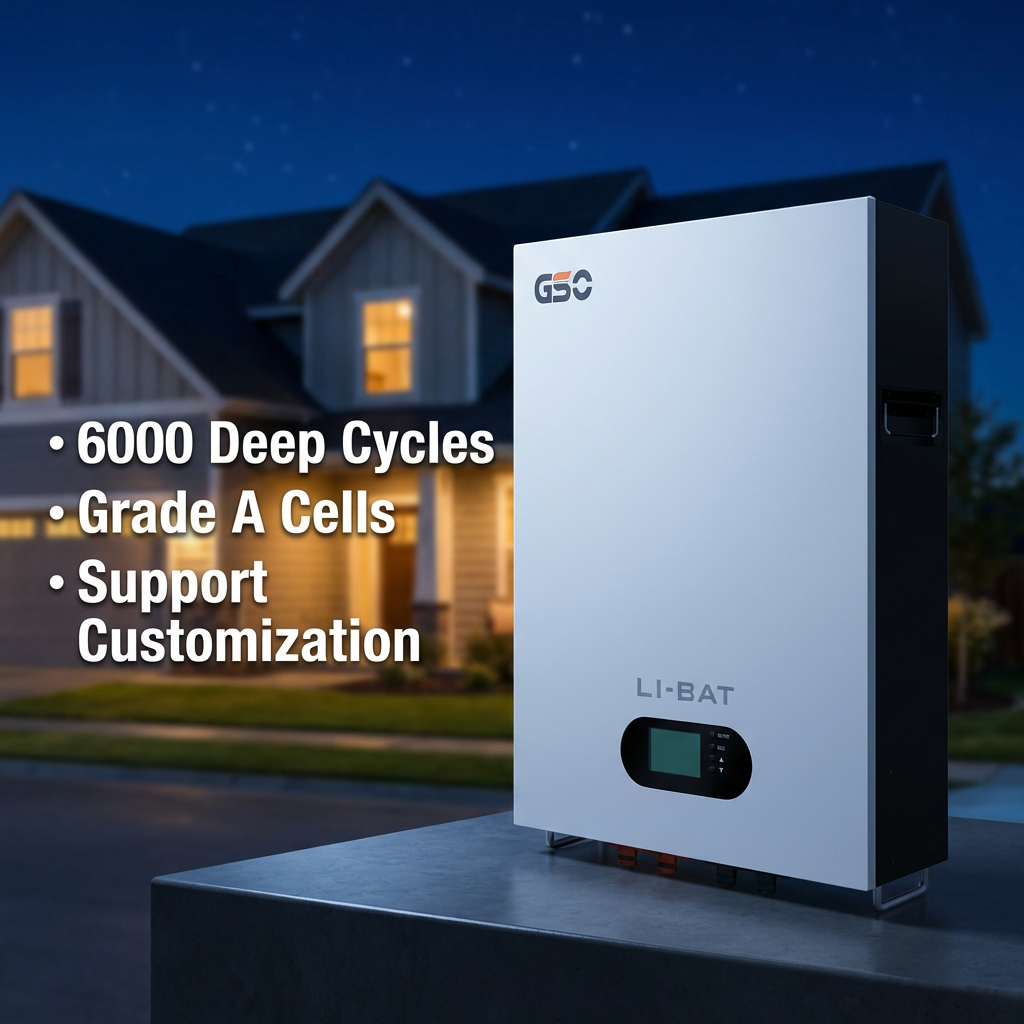
Three golden rules for choosing right
1) Match continuous inverter capacity to realistic household load (not just peak surge). This ensures the system delivers usable runtime and prevents overtaxing the inverter.
2) Verify islanding detection method and transfer speed — choose systems with proven anti-islanding algorithms and an automatic transfer switch to protect both installers and your appliances.
3) Confirm BMS interoperability and warranty support. A battery with remote monitoring and a clearly documented communication protocol reduces headaches when scaling or troubleshooting — and helps protect investment over time. For homeowners who want a single-supplier path that ties these rules together, gsopower often shows how integration reduces setup gaps — practical, not flashy. —