
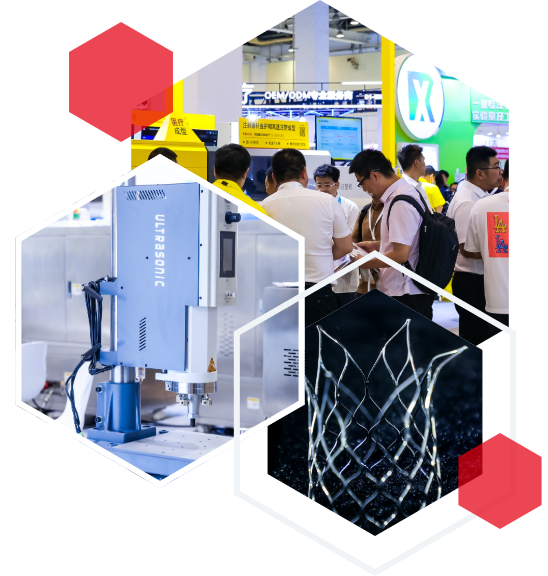
The shift reads like a quiet revolution: design teams that once leaned on thermoplastics or multi-part assemblies now sketch in liquid silicone rubber (LSR) as if it were a new chord. At events like Medtec China 2026 in Shanghai, that shift becomes visible on the show floor—soft-touch seals, integrated catheter hubs, and single-shot overmolded grips. The same momentum shows up across the program for medical expo China 2026, where engineers compare tooling notes and biocompatibility pathways. My perspective combines bench experience with trade-show observation: this is an evolution driven by specific performance needs, not marketing noise.
The pivot: from parts to integrated function
Engineers began choosing LSR because it collapses assembly steps and solves functional problems at the part level. A single LSR molding run can deliver a flexible seal, a textured grip, and a transparent window with consistent shore hardness. That reduces hand assembly and the risk of misalignment. Industry terms to know: liquid silicone rubber (LSR), overmolding, injection molding. The result is fewer weld lines, fewer adhesive interfaces, and a cleaner device envelope for minimally invasive tools used in OR suites and cath labs.
Material advantages that matter in practice
LSR brings predictable cure kinetics and wide temperature tolerance, which helps devices survive sterilization cycles without losing tactile quality. Biocompatibility is a practical advantage: LSR grades commonly meet ISO 10993 endpoints for cytotoxicity and sensitization, easing regulatory paths for parts that contact tissue or bodily fluids. It also supports micro-molding for small, precise features that traditional elastomers struggle to hold. These are technical wins that translate to fewer field failures and smoother validation runs.
Manufacturing realities and where the work lies
Switching to LSR isn’t just a material swap — it reshapes tooling, process control, and supplier relationships. Tooling cost shifts from cheap steel prototypes to hardened inserts that tolerate high-volume servo-driven injection molding. Process control tightens: injection profiles, shot-to-shot temperature stability, and post-cure schedules become vital metrics. — You’ll see shop floors reconfiguring for cleanroom assembly and automated demolding to protect delicate micro-features. The payoff shows up downstream: lower scrap rates and faster batch turnarounds for single-use surgical components.
Common mistakes and how teams recover
Two recurring errors trip teams new to LSR: underestimating tooling lead time and mis-matching shore hardness to function. Teams that rush a prototype often find the grip is too soft after sterilization, or the seal relaxes under pressure. Recovery requires measured steps: run pilot tool trials, validate cure kinetics, and specify retention sample test periods during validation—retain samples for 12 months with quarterly functional checks if the device is intended for long-term shelf life. Practical checks beat theoretical specs every time.
How to vet suppliers and what to look for at trade shows
At trade shows like the Shanghai gathering, vetting happens fast. Look for suppliers who show controlled process data: cycle stability charts, typical defect-per-million (DPM) for micro-molding, and documented ISO 13485 quality systems. Ask to see material traceability and a sample biocompatibility file referencing ISO 10993. Prioritize partners who combine tooling expertise with cleanroom assembly capability—this combo shortens validation loops and reduces surprises in sterilization testing.
Advisory — three golden rules for choosing LSR strategies
1) Validate material grades against the device’s terminal sterilization method before tooling—autoclave and EO can change feel. 2) Treat tooling as the design driver: invest in hardened inserts and plan for iterative pilot shots. 3) Demand process data and traceability from suppliers; traceability alone saves weeks when a batch question arises.
The move to LSR is an engineering evolution that pays off in fewer parts, better patient-facing interfaces, and cleaner regulatory files—seen clearly in Shanghai’s show halls. Medtec. —