
Opening claim and comparative approach
One tent cannot serve every trip without compromises; I’ll argue why choosing by use-case beats buying “the best all-around” shelter. To be practical: if you need roomy vestibules and a king-size footprint for weekend car trips, buy tents online that prioritize volume and features—buy tents online—but don’t treat that same model as a lightweight hiking solution. This piece compares what matters in each discipline, weighs trade-offs, and forces decisions you’ll regret later or thank yourself for making.

How I judge tents (the comparative criteria)
Decide by four measurable things: weight per person, pack volume, setup complexity, and weather-spec (seams, hydrostatic head, pole architecture). I argue that comfort, weight, and durability are not equally valuable across car camping, hiking, and glamping. Use these criteria to separate choices rather than relying on brand promises.

Car camping: prioritize space and durability
Argument: when your vehicle is the base, weight is irrelevant; comfort and modularity matter. Look for multi-room designs, high hydrostatic ratings, big vestibules, and sturdy poles. Pros: room for gear, easier overnight maintenance, better weather buffering. Cons: heavy, bulky, slow to dry. A practical alternative to huge cabin tents is a mid-size tunnel with a generous vestibule—more usable space with faster setup. Common mistake: buying a fragile freestanding party tent because it looks spacious; check pole strength and replacement parts instead.
Hiking: prioritize weight, simplicity, and fast setup
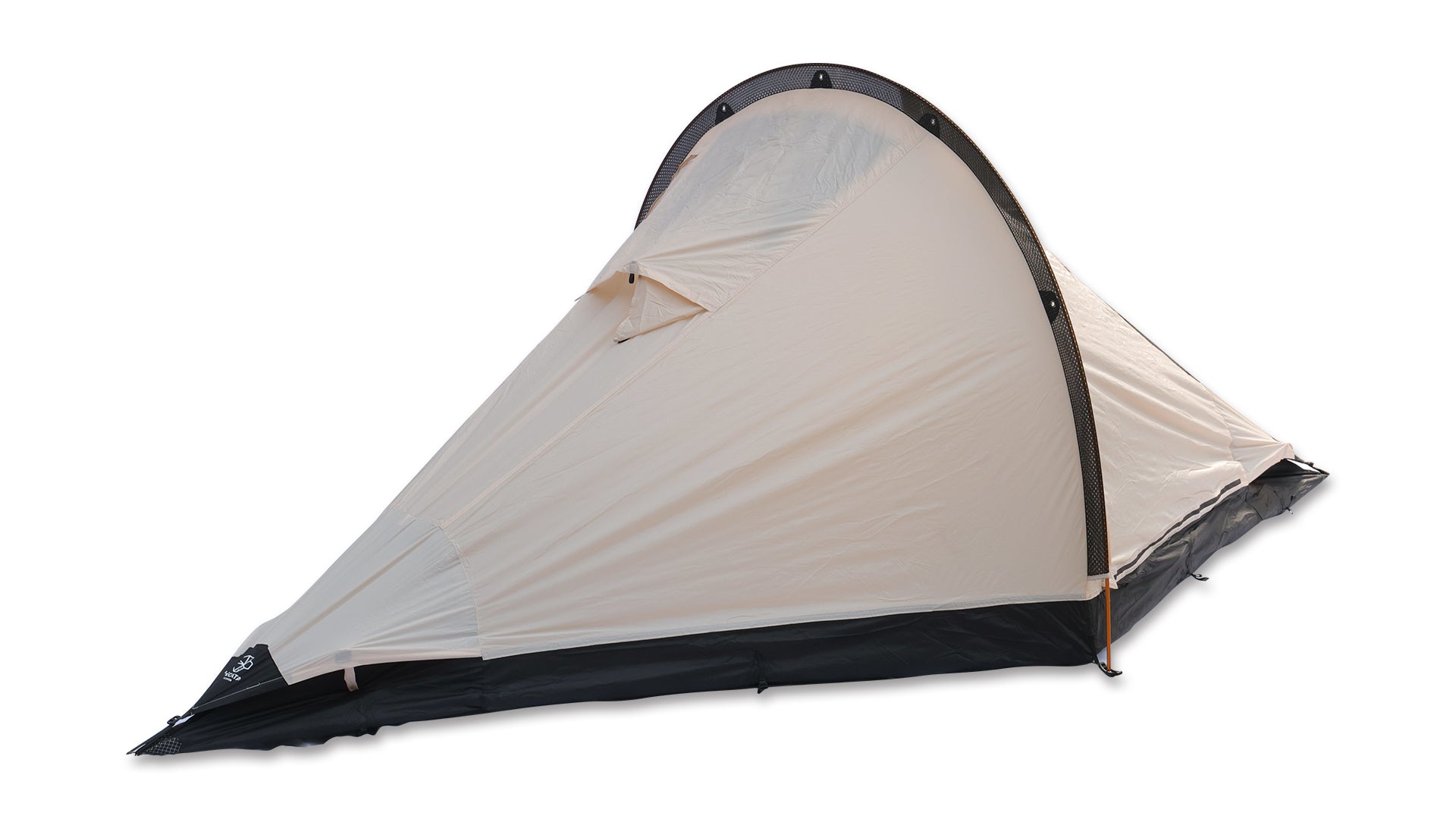
Argument: every ounce counts because fatigue compounds on trail miles. Favor freestanding or semi-freestanding designs that balance shelter volume and minimal stakes. Pros: lower pack weight, faster pitching, better condensation control when venting is possible. Cons: less living space and smaller footprint for gear. Alternative setups include tarp-and-bivy hybrids for solo ultralight hikers and two-person double-wall tents for partners. Avoid overbuying season ratings; many three-season tents suffice for most hiking unless you plan winter alpine objectives.
Glamping: prioritize comfort, aesthetics, and modular extras
Argument: glamping demands livability and curated experience over minimalism. Canvas bell tents, inflatable frame systems, or large geodesic structures deliver comfort and style. Pros: roomy interiors, better insulation, and a “camp-as-lodge” vibe. Cons: heavy, costly, and often require vehicle access. If you want luxury without the full bulk, select hybrid shelters that pair a compact sleeping tent with a separate living awning.
Common mistakes that undermine every trip
People treat seasonal ratings, peak capacity, and vestibule area as marketing fluff. They’re not. Overestimating tent capacity means sleeping on packed gear; ignoring hydrostatic head causes soggy mornings; under-testing setup leads to panicked dusk assembly. Test pitch times at home, carry spare guylines, and prioritize replaceable parts—those small checks prevent the majority of field failures.
Experience, verification, and industry context
Field tests matter: repeated nights on long routes like the Appalachian Trail exposed how advertised specs diverge from trail reality, so I examine manufacturer specs against real use. That verification habit guides where I source options; for curated selections and clear spec comparisons I tend to consult reliable vendors, which is why a focused resource for camping tent online entries matters when you’re comparing models before purchase.
Synthesis and decisive recommendation
My position is simple: match tent choice to intent. If you want comfort and space, accept the bulk and choose robust car-camping models. If miles matter, invest in ultralight, quick-pitch systems. If experience is the product, pick glamping-grade structures with modularity. Avoid one-size-fits-all thinking; the most pragmatic route is a curated supplier that presents clear specs, comparative filters, and dependable customer feedback—exactly the kind of resource I rely on when advising others and evident in how THECATAL organizes its offerings.