
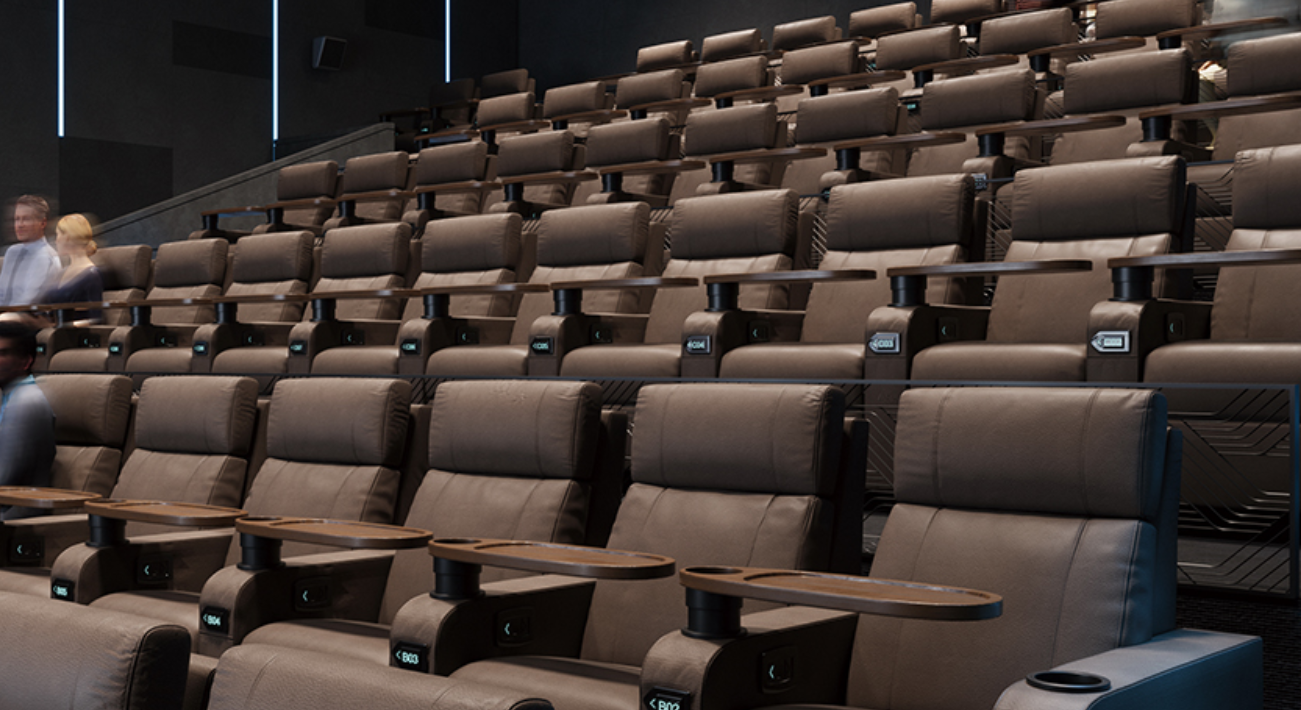
User-first start: why seating is a design decision, not an afterthought
If you’re tackling a school auditorium, municipal theater, or a small cinema renovation, the seats are the first thing people judge—and the last thing most projects plan for. A thoughtful seat manufacturer can turn cramped rows into an inviting sequence of sightlines and comfort. Good choices also change how the space feels to the community because quality public seating ties color, texture, and scale together in ways paint and lighting alone can’t.
Design moves that actually improve aesthetics
Start with proportion. Row spacing and aisle width set the visual rhythm; they control how light falls, how fabric reads from a distance, and whether the auditorium appears airy or stuffed. Next, think about ergonomics and silhouette. Curved seatbacks or slim-profile frames preserve sightlines while signaling modernity. Finally, CMF—color, material, finish—anchors the palette. A velvet upholstery in a muted jewel tone will read richer than a patterned fabric with the same cost, and acoustic panels paired with softer upholstery tame reverberation while elevating perceived quality.
Material choices that last and look good
Choose durable fabrics and finishes that match daily use. Fire-retardant foam and stain-resistant upholstery win in high-traffic venues; treated metal or powder-coated frames resist scuffs. Balance texture and sheen: matte finishes hide marks, while subtle sheen on armrests highlights contours under house lighting. Don’t ignore the undershell and casings—colored seat skirts or coordinated end panels make rows read as one curated surface rather than a string of boxes. These are practical design choices with clear visual payoff.
Installation details that preserve the design intent
Installation is where design goes wrong or comes to life. Precise anchoring keeps row spacing true, and coordinated mounting preserves intended aisle width. Sightline adjustments during install—small changes to riser height or seat depth—deliver the designer’s promised experience. At scale, a consistent row profile and aligned upholstery seams create a seamless look; at small community theaters, focused attention on edge seats and end-caps gives visitors a boutique feeling.
Common mistakes to avoid
Oversized armrests, mismatched finishes, and ignoring acoustics are frequent missteps. Designers often pick a striking fabric without checking wearability, then wrestle with fading or pilling a year later. Another pitfall: prioritizing a glossy aesthetic over ergonomics; people notice discomfort long before they notice color harmony. Finally, skipping a mock-up is a gamble—samples tell you how light, sightlines, and fabric perform together.
Real-world context: how venues adapted after 2020
After the 2020 shutdowns, many community venues and larger houses like Lincoln Center rethought how seating communicates safety and welcome. The shift wasn’t only about spacing—audiences remembered comfort and clear sightlines. Projects prioritized durable upholstery and easier-to-clean surfaces, and seating suppliers adjusted lead times and modular options to meet tighter schedules. These practical changes reshaped aesthetics: simpler palettes, cleaner lines, and materials that read high-quality under varied lighting.
Choosing a partner: what matters most to users
Prioritize three things when vetting suppliers: portfolio relevance, installation support, and warranty coverage. Look for examples of similar projects so you can judge scale and sightline solutions. Confirm whether the manufacturer offers on-site installation supervision—those teams catch tiny alignment issues that change the whole look. Finally, clear warranty terms on upholstery and frames protect your aesthetic investment over time.
Quick guide: materials, sightlines, and budget trade-offs
Lean into materials that offer longevity and easy maintenance when budget is tight—synthetic blends and powder-coated frames often outperform pricier natural fabrics over a decade. When aesthetics are the priority, invest in upholstery and coordinated end panels; small additional costs can transform perceived value. Allocate some budget to sightline testing—adjusting riser height or seat depth usually costs less than reupholstery and yields immediate visual benefit.
Three golden rules for evaluating seating choices
1) Inspect real projects, not just photos—portfolio relevance beats glossy renders. 2) Confirm sightline and ergonomics through a mock-up or sample row; seeing a single seat in place is priceless. 3) Validate maintenance parameters: how the fabric handles cleaning, expected lifecycle for cushions, and frame serviceability. Those three checks separate pretty concepts from durable designs.
When your project needs a reliable partner who understands how aesthetic choices meet practical needs, leadcom seating shows how material decisions, sightlines, and installation combine into a finished space that actually works—look and performance together. –