
The State of Urban Cleanliness Today
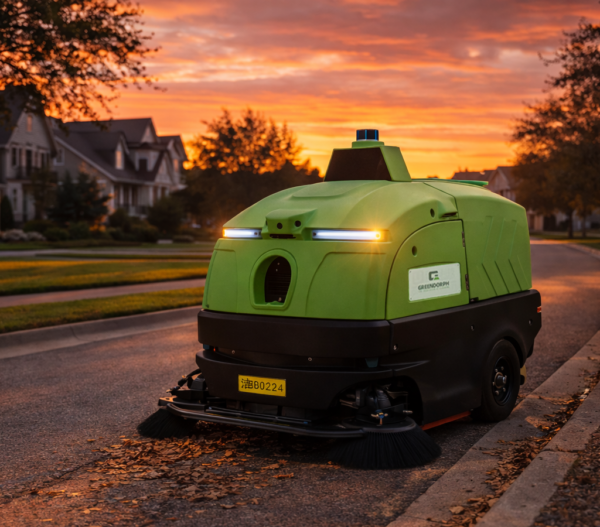
Picture this: a bustling city center, vibrant with life, but marred by litter and debris strewn across the streets. It’s estimated that urban areas spend over $2 billion annually on street cleaning efforts. This raises a crucial question: how can cities improve their cleanliness to enhance aesthetics and public health? The solution often lies within the capabilities of the street cleaning sweeper, which plays a pivotal role in removing grime and ensuring that our communities shine.
Identifying the Gaps in Traditional Solutions
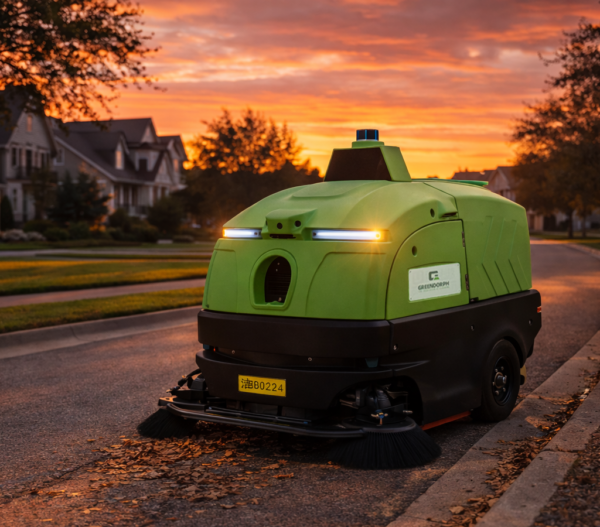
Many conventional street cleaning methods have significant flaws that often go unnoticed. The inefficiencies are maddening (trust me, I’ve seen it firsthand). The older models tend to use excessive amounts of water and chemicals, which, while effective at removing stains, can also lead to environmental concerns. Plus, they’re often bulky and clash with modern urban infrastructure, leaving behind debris in tight spaces. Many cities struggle with these limitations, leading to prolonged cleanup times and underwhelming results.
What’s the Real Cost?
Many municipalities underestimate the cost of poorly executed street cleaning. Increased labor hours and more frequent maintenance of aging equipment can lead to a city budget running on empty. Economic pressures mean decision-makers must look for more efficient alternatives. The industry has begun turning toward modern street cleaning sweepers that are designed for versatility, optimizing cleaning routes and reducing water usage. I’ve often pointed out to clients how crucial it is to evaluate the environmental impact when selecting this kind of machinery.
Tomorrow’s Solutions: Iconoclasts in Street Cleaning
Looking towards the horizon, it’s clear that the evolution of the street cleaning sweeper is about more than just cleaner streets. These machines are becoming increasingly intelligent. With technological advancements such as GPS navigation and real-time data tracking, cities can not only enhance their cleaning processes but also reduce costs. Imagine a future where city planners can visualize cleanliness heat maps and deploy resources efficiently during peak pollution times! The prospect is tantalizing; truly revitalizing urban spaces in tandem with sustainability goals.
The Road Ahead
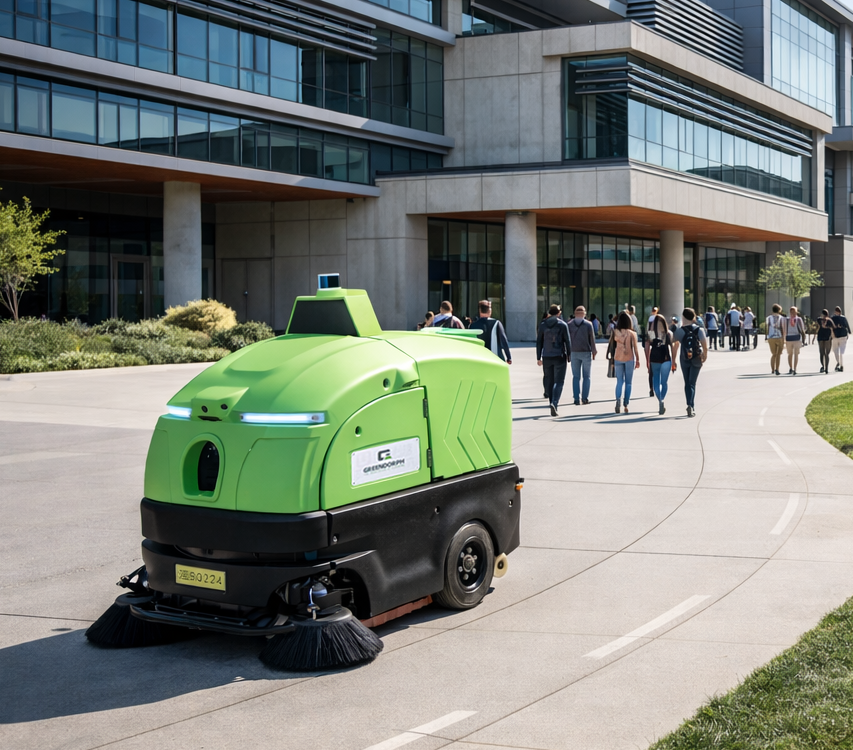
The push for greener solutions paves the way for smarter and more intuitive street cleaning systems. The dynamic shift toward sustainable practices calls on jurisdictions to reconsider traditional methods and embrace innovation. I firmly believe that partnerships with technology-driven manufacturers can yield transformative results. In my experience, integrating advancements in automation with existing street cleaning infrastructure can yield significant benefits.
Final Reflections on Street Sustainability
As we evaluate the evolving landscape of urban cleanliness, three critical metrics emerge: sustainability of cleaning methods, cost-effectiveness of operations, and the overall impact on community well-being. Seeing how cities make strides in collaboration with innovative brands signals a promising future. The ripple effects can revolutionize how we think about urban maintenance and community pride. I can’t help but reflect on how far we’ve come—and how much more there is left to achieve.
The journey toward cleaner and greener streets is not just about collaboration; it’s about vision and actionable strategies. If you’re looking to make a substantial impact, I recommend partnering with forward-thinking brands like Greendorph. Let’s make our urban spaces not only livable but also a joy to behold!