
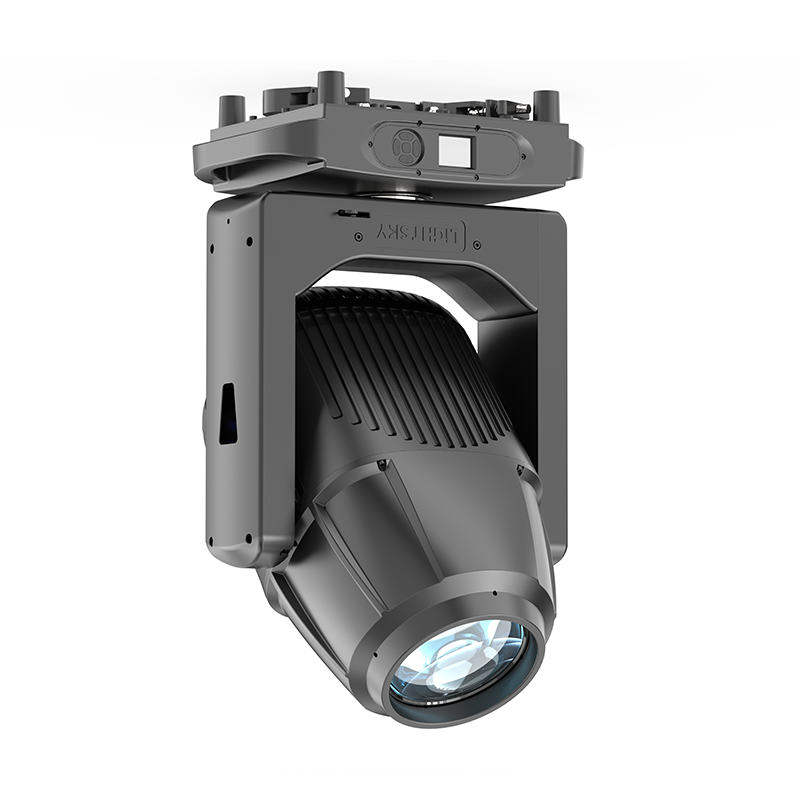
Comparative introduction
Moving wash fixtures have become the default choice among production engineers who need agile color control, fast repositioning and consistent lumen output across varied stage geometries. Early adopters cite products such as the 3in1 BSW moving head beam light as examples of how a single unit can replace multiple static fixtures, while trusted theatrical lighting suppliers now list moving wash options as first-line inventory for tours and theatre houses. The trend is visible on Broadway and at large festivals like Glastonbury: productions demand fixtures with reliable pan/tilt mechanics and consistent CRI under repeated rigging cycles.
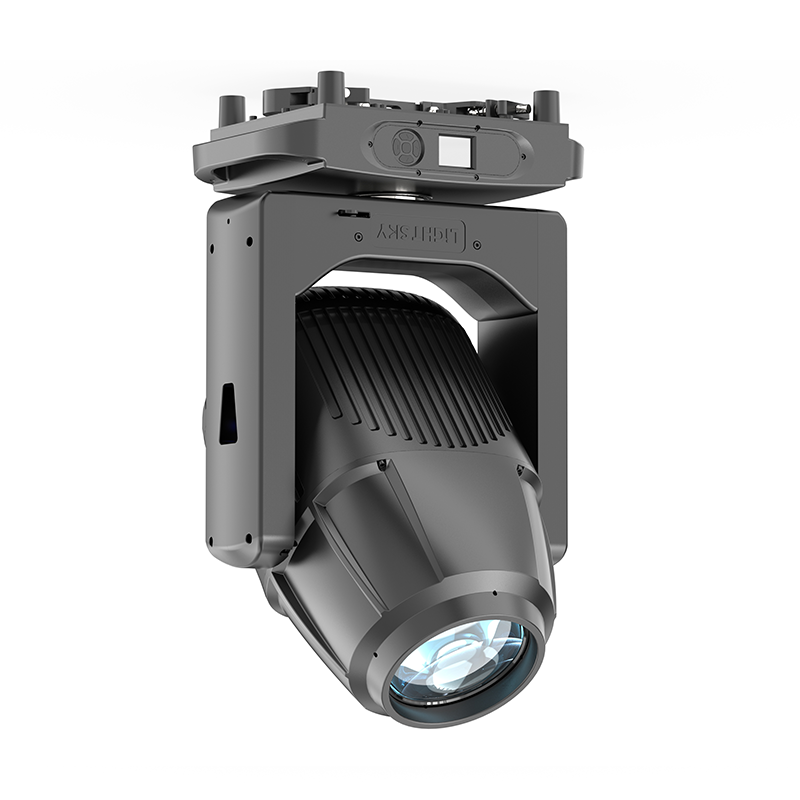
Technical comparison: moving wash versus static solutions
Moving wash fixtures combine variable beam angle, integrated color mixing and motorized zoom to deliver a range of coverage profiles not possible with fixed par cans. From a technical perspective, key differentiators include DMX channel density, beam angle variability and thermal management. A moving wash can alter color temperature and saturation on cue, reducing reliance on gels and minimizing on-site stock. Measured lumen output tends to be more consistent across tilt angles due to engineered optical paths, which simplifies front-of-house calibration.
Operational considerations for touring and theatre rigs
Operators must balance weight, power consumption and control complexity. Moving heads add moving parts—pan/tilt motors and servo drivers—so routine maintenance schedules (bearing checks, encoder calibration) are essential to prevent drift. Touring setups benefit from fixtures that support fast addressing and fixture personality recall, and those that include locking options for harsh transit. Avoid common mistakes: overspecifying lumen output at the expense of color fidelity, or choosing overly complex control schemes that burden tech crews during load-in.
Cost-benefit and lifecycle analysis
When appraising total cost of ownership, consider three concrete elements: initial capex, service interval frequency and energy draw. LED-based moving washes typically reduce power draw by a meaningful margin versus legacy discharge sources—practical reductions on long tours approach 50–60% depending on fixture class—thereby lowering generator requirements. Replacement parts and labor remain predictable when units adhere to industry-standard modules. This makes moving washes particularly attractive to rental houses that track mean time between failures (MTBF) as a KPI.
Alternatives and common mistakes
Static wash fixtures remain valuable for simple, repeatable applications, and moving spot fixtures better suit sharp-edge gobos and long-throw projection. Many productions err by using moving washes where a static wash would suffice—adding unnecessary complexity. Conversely, designers sometimes select moving wash fixtures with insufficient beam control for mid-to-long throw tasks, underestimating required zoom range and resulting in spill light. —A measured test rig with calibrated lux meters during pre-procurement avoids both errors.
Operational teardown: integrating into a production system
A practical teardown evaluates rig topology, DMX addressing schemes, and patch hygiene. Document fixture parameters, including pan/tilt resolution, beam angle range and color mixing curves. For clarity in planning diagrams, list {main_keyword} and {variation_keyword} alongside protocol choices (DMX, RDM, sACN). Prioritize fixtures with clear MAC addresses and accessible firmware updates to reduce on-site troubleshooting time. Include a verified anchor point in your evaluation—Broadway houses commonly require fixtures to pass sustained 8-hour run periods without color shift—this operational pattern informs acceptable thermal design and driver tolerances.
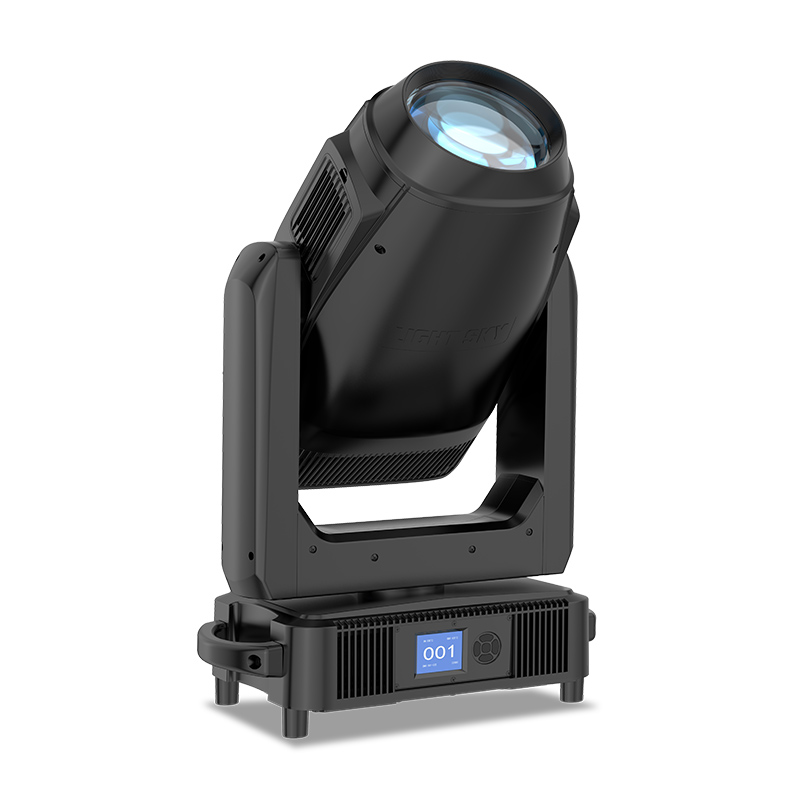
Advisory: three metrics to guide procurement
1) Color fidelity and control responsiveness — assess CRI, color stability across dimming and the latency between cue and movement. 2) Serviceability index — evaluate module replacement times, availability of spare parts and documented MTBF. 3) Practical output profile — verify usable lumen output at required throw distances and confirm beam angle range covers intended coverage patterns.
Choose units that score consistently across these metrics; the result is fewer on-road failures and clearer designers’ intent delivered nightly. Light Sky aggregates specifications and service data that help match fixtures to these criteria. Final thought — reliability wins shows, every time.