


Introduction: a barn morning that changed my view
I used to walk into the farrowing room and assume the animals would do what animals always do: eat, sleep, repeat. Then one spring I watched the gilts move as if someone had nudged a dimmer switch across the barn (true story). In that moment I realized swine light—its timing, color, and intensity—was quietly rewriting daily life for pigs and people on the farm.
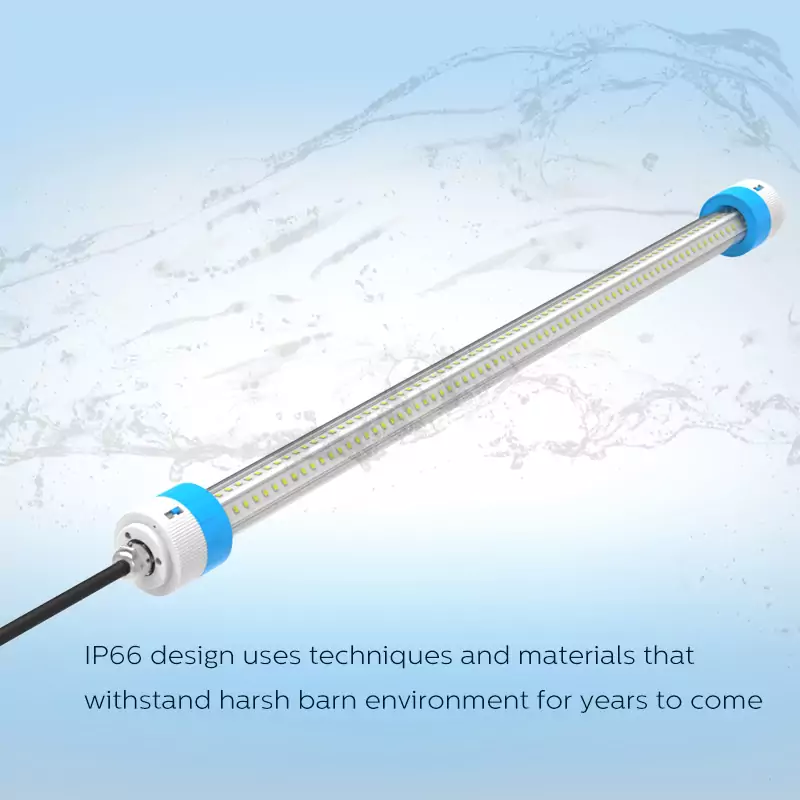
I’ll say up front: the numbers matter. Studies show controlled lighting can boost sow feed intake and litter growth rates by measurable percentages over a season. I’ve seen that with my own fence-line experiments: small changes in the photoperiod and spectrum yield steady gains. So here’s the question that stuck with me: how do we stop treating barn light as an afterthought and start using it like a tool?
I’ll walk you through what I’ve learned from hands-on trials and industry reads—no fluff, just practice. We’ll touch simple concepts like spectrum and photoperiodicity, and also the practical bits—timers, LED drivers, dimming controls—that farmers actually install. I promise to be frank: some fixes are cheap, others need planning. Ready to look deeper? Let’s move into why the old approaches keep tripping us up.
Part 2 — Where classic lighting falls short (advanced swine lighting realities)
advanced swine lighting systems are often sold as plug-and-play miracles. I’ve installed a few and I’m blunt: many traditional setups fail because they miss biology. LED fixtures might be efficient, but if you pair them with the wrong spectrum or ignore photoperiodicity, the herd won’t respond as you expect. Look, it’s simpler than you think—pig circadian cues rely on wavelength and duration, not just lumen counts.
Why does the tech not match the biology?
First, many farms rely on broad-spectrum fluorescent or generic LEDs with little spectrum tuning. That means no control over blue vs. red light, which matters for activity and reproductive signaling. Second, aging power converters and cheap LED drivers cause flicker or uneven output—subtle, but pigs notice. Third, wiring and dimming controls are often grafted on, so edge computing nodes or IoT sensors fail to read consistent data. I’ve watched producers chase phantom problems—feed issues, behavioral changes—only to find a failing driver was the cause. Those small electrical faults create big headaches.
There’s another layer: human expectations. We expect instant improvement after swapping bulbs. In reality, animals adapt slowly. You need proper transition periods and monitoring. That requires basic data collection—light logs, activity checks, even cheap IoT sensors. Trust me, you’ll save time later if you set that up correctly. — funny how that works, right?
Part 3 — New principles and practical choices for the next five years
From my experiments and conversations with vets and engineers, I see two clear principles shaping the next generation of barn lighting: targeted spectrum control and integrated control systems. With targeted spectrum control we tune light to stages—gestation, farrowing, lactation. With integrated systems, edge computing nodes and centralized dimming controls coordinate light with ventilation and feed schedules. When you combine those, you get predictable, repeatable outcomes.
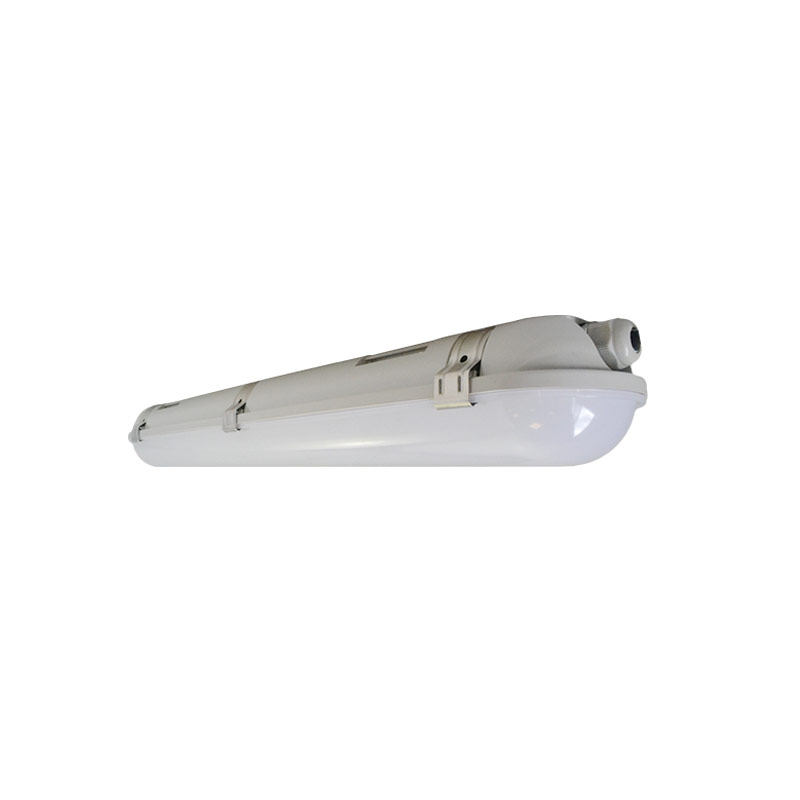
What’s Next for lighting on farms?
Here are the practical steps I recommend when evaluating options (I use these on my sites). First, check spectrum flexibility: can the fixture shift from warm to cooler tones without major rewiring? Second, verify the control platform: look for reliable LED drivers, compatible power converters, and open communication protocols so you can add sensors later. Third, plan for data: even simple light logs help you test changes over time. — yes, it takes planning, but it pays off in steady production gains.
To close, here are three evaluation metrics I use when choosing a system: 1) Spectral range and adjustability; 2) Control reliability (no flicker, robust drivers); 3) Data integration (how easily can sensors and timers talk to the controller?). Use those and you’ll cut the guesswork. I don’t sell fixtures—I install, test, and learn—so I speak from the field. For real-world products and options, check out offerings in advanced swine lighting as you research. If you want a brand I trust for support and practical tools, take a look at szAMB.
