


Why Your Next Batch Might Win or Wobble
You’ve been there: doors open Saturday, the floor looks sharp, and a shopper taps the top of a new end table to check the wobble. End table manufacturers are right in the middle of it. The last quarter showed a 17% return rate tied to rock, scuffs, and late arrivals; average lead time stretched to 27 days; freight claims rose 8% on one SKU. Now ask yourself—if one detail slips, what’s the ripple on margin, trust, and reorders? Down here, we’ll say it plain: folks want sturdy, clean, and on time (and they want it yesterday).
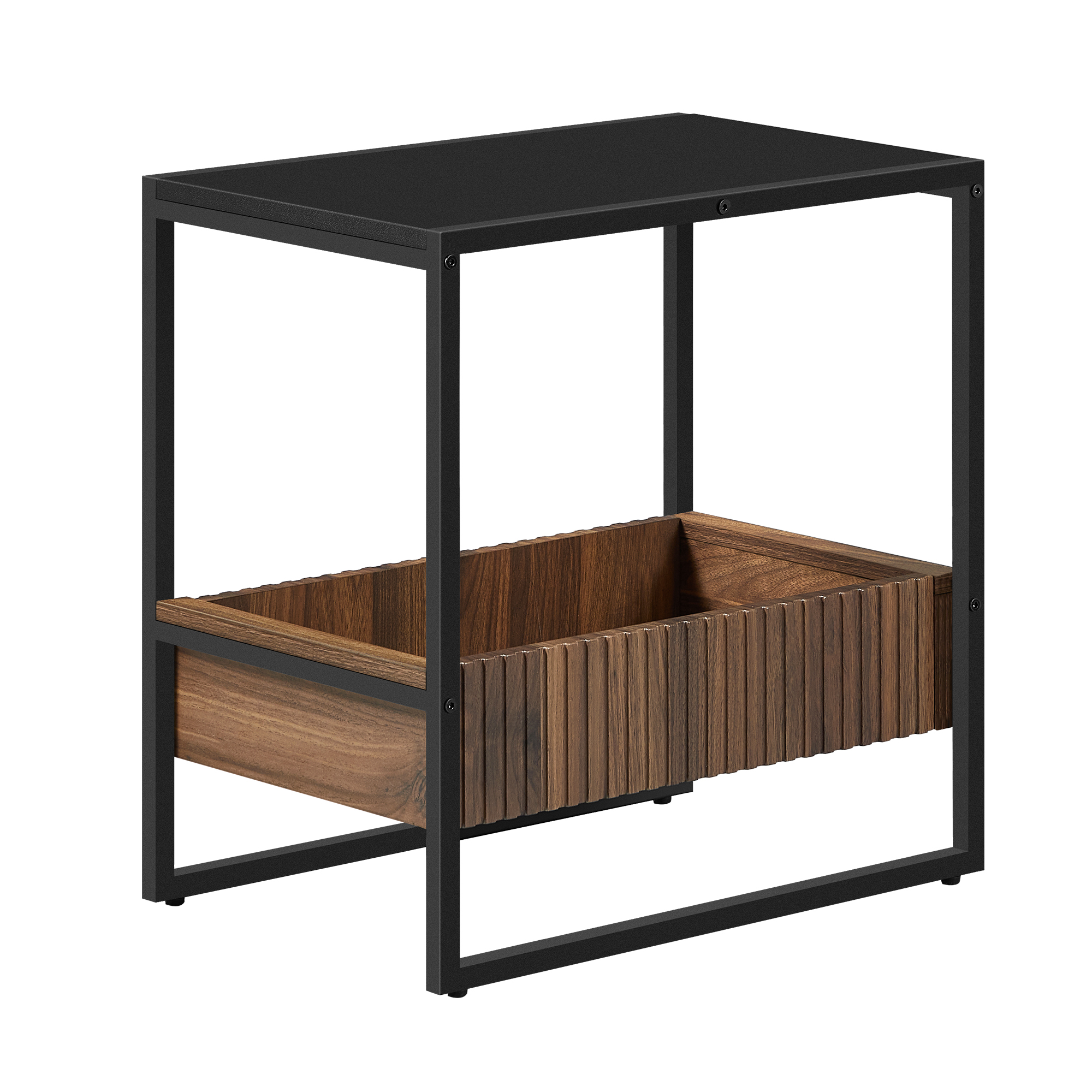
Here’s the kicker. It isn’t only material or style. It’s the tiny choices: hardware torque, carton design, and finish cure. It’s how a leg bracket sits after shipping. It’s whether assembly takes 6 minutes or 26. And yes, a photo on the listing can raise return risk by 4% if the color match is off by a hair—funny how that works, right? So, how do you compare options without guesswork and crossed fingers? Let’s step from gut feel to clear, testable checks—and line up real differences that move the needle.
The Hidden User Pain You Don’t See on the Purchase Order
When you pick an end table supplier, the biggest risk isn’t always price or wood species. It’s the unseen friction after unboxing. Technical fit and feel drive reviews: leg alignment, fastener bite, and top flatness. CNC machining reduces drift, but bracket slop still sneaks in if holes wander 0.5 mm. Laminate veneer hides well until edge peel starts near a corner radius. Powder coating looks even, but under-cure can chalk at month six. And if your SKUs add USB charging, you’ve got a new failure path: low-grade power converters heat up and brown out. Look, it’s simpler than you think—map the pain back to process, not just the part.
What’s really driving returns?
Three patterns show up. First, assembly friction. If torque specs aren’t clear, users overtighten cams and crush fiberboard. Second, freight shock. Poor carton geometry lets legs punch through at a drop height of 60 cm. Third, QA gaps. Plants without edge computing nodes on the line miss early wobble signals; they catch them at final pack, which is too late. Traditional fixes—thicker boards, extra foam, bigger screws—raise cost and weight, but don’t fix root causes. A smarter path compares jig accuracy, fastener design, and carton compression data side by side, then trims SKUs where geometry keeps fighting you. That cuts returns without inflating bill of materials.
Comparing What Comes Next: Methods That Cut Noise, Not Corners
What’s Next
Let’s shift from patching to principles. Semi-formal, straight to the point. New lines win when the process is instrumented, not just inspected. Here’s the idea: place simple sensors at the leg and apron ops, run a pass/fail on flatness and joint play, and push the signal to local edge computing nodes right on the workcell. No cloud lag. You spot drift after 20 units, not 2,000. Combine that with carton drop tests tied to real freight profiles, and you can tune fiber, ribbing, and corner guards to the exact mass of each model. If you source from a china end table supplier, ask how they validate powder coating cure—probe temp and dwell time—so you don’t learn the hard way at month three. Small changes, big compounding gains.
Now, the comparative bit. Solid wood vs. engineered? Test for moisture swing and fastener pull-out. Waterborne finishes vs. solvent? Check scuff resistance after 72-hour cure and yellowing over 90 days. Manual assembly vs. guided jigs? Time it, track cross-thread rates, and listen to users who build at home—because that’s the real lab. And for “smart” tables, spec certified power converters and isolate wiring paths so no rattle shows up later—sounds fussy, but silence sells. The lesson from Part 2 holds without repeating it: target the pain that hides in assembly, shipping, and early wear, then compare process-level remedies—not just prettier materials. Do this and markdown racks stay empty—no small thing.
To wrap with something you can use, here are three metrics to judge any path forward. One: return rate by root cause, not just total; under 5% with wobble under 1.5% is a good bar. Two: assembly success on first try; aim for 95% of users finishing in under 12 minutes with a simple tool. Three: carton survival at 1.2× your real route impact energy; if it fails there, it will fail in peak season—no doubt. Keep your eyes on those, compare suppliers and methods with the same scorecard, and you’ll cut noise while raising repeat buys. Then keep learning, keep tuning, keep it human. That’s how you build trust that lasts—especially when the weekend rush hits. Learn more from partners like SONGMICS HOME B2B—and keep folks smiling on delivery day, y’all.
