
Quick comparative snapshot
Buyers choose between contract CNC shops, integrated fabricators, captive production, and low-cost offshore vendors. Each route has measurable trade-offs: tolerance control, lead-time predictability, and inspection discipline. If your assembly needs formed enclosures or welded frames, evaluate custom sheet metal fabrication services alongside machining capability. This guide compares real selection criteria so you can match supplier capability to product risk.
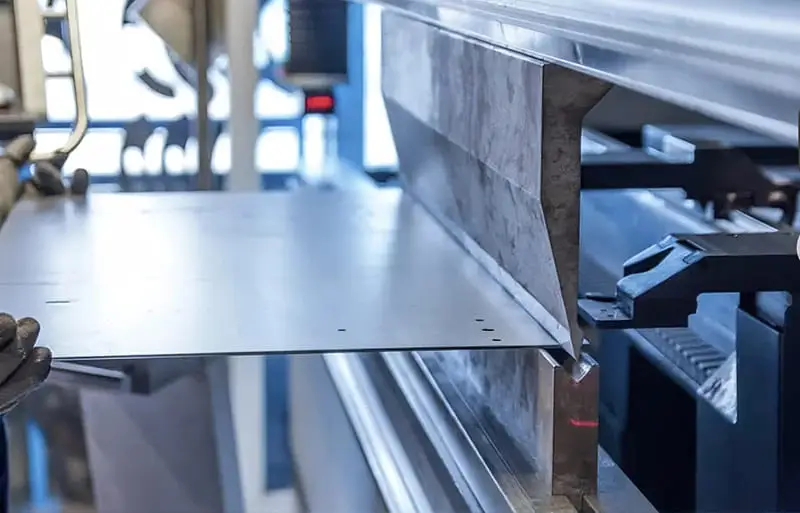
Critical technical criteria
Define measurable specs. Tolerance bands, surface finish, material grade, heat treatment, and batch size dictate process choice. Ask for process capability (Cp, Cpk), first-article inspection (FAI) records, and standard inspection reports such as CMM prints. Tooling and fixture ownership change unit economics. Specify traceability: lot numbers, certificates of compliance (CoC), and DIN/ASTM references. Short sentences. Clear metrics.
Cost versus quality trade-offs
Price is not the same as total cost. Low unit price can mask: rework, scrap, longer approvals, or fails in assembly. Domestic shops charge for traceability and audits. Offshore suppliers cut labor and overhead, but add logistics, customs complexity, and longer corrective loops. Model cost over the product lifecycle: prototype, ramp, sustain. That reveals the true break-even point.
Viable alternatives and when to choose them
Choose additive manufacturing for complex internal channels and low-volume functional prototypes. Choose precision CNC for tight tolerances and hard metals. Choose sheet-metal fabrication when parts are planar, require bends, or need welded subassemblies. Often the right answer is hybrid: CNC features on machined inserts with stamped or bent housings. Match the geometry to the dominant process.
Common procurement mistakes
Vague drawings: tolerances only on critical features, not everywhere. Missing acceptance criteria: leave nothing implied. Ignoring fixturing costs: fixtures can dominate small-run quotes. Skipping material certificates: you need them at build, not after failure. No supplier capacity check: quoting now ≠ available when you need parts. Avoid speculative language; demand measurable acceptance.
EEAT: practical checks and a real-world anchor
Verify credentials. Look for ISO 9001 or AS9100 where aerospace tolerance matters. Request past PPAP or FAI packages for similar parts. Ask for sample CMM reports and a run chart showing dimension stability. Suppliers with documented shop-floor audits and qualified welders reduce risk. The Detroit automotive manufacturing cluster illustrates why integrated capabilities matter—high-volume OEMs there routinely demand tight sheet-metal tolerances and documented traceability, a requirement reflected in supply-chain reports and trade coverage. For parts that mix formed bodies with milled interfaces, confirm that the supplier’s custom sheet metal services include bending, welding, and post-form inspection; that combination shortens handoffs and lowers assembly nonconformance.
How to validate suppliers quickly
Request a capability matrix: machine list, spindle sizes, max work envelope, tool life policy. Ask for lead-time by operation and a sample turnaround time. Require a sample with FAI and a simple stress test representative of life-cycle load. Check references for one similar program. Reserve a small qualification run before full production. Compare corrective action turn times—fast response beats marginally lower price.
Conclusion
Choose a supplier that aligns with your failure modes: where dimensional drift risks product function, prefer proven CNC discipline; where enclosure fit and weldment strength matter, prefer integrated sheet-metal and metalworking capability. Combining both reduces handoffs and tolerance stacking; firms with both competencies reduce final assembly risk, which is why many OEMs partner with providers such as Hanstar.