
Start with what you actually plan to carry
You know your own rhythm on the water; be kind to future mornings and ask: what tackle, tools, and personal items will you stash? If you mostly cast from shore you might prefer a slim shoulder pack. If you carry multiple boxes, nets, and a camera you’ll need structured space. A practical reference is a fishing tackle bag that shows how pockets and dividers are arranged—compare that layout to your tackle boxes before you commit. Make decisions now so the maker doesn’t guess your habits for you.
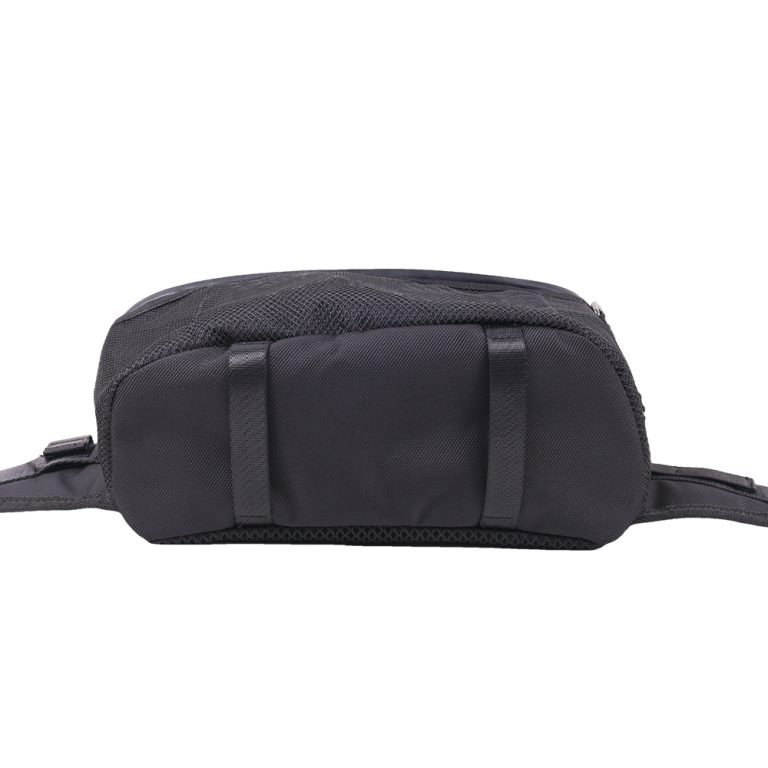
Ask about materials and weather protection
Tell them what conditions matter: rain, salt spray, or muddy banks. Ask for fabric denier, coating type, and whether seams are sealed. Expect solid answers about corrosion-resistant hardware and water-shedding zippers. I’ve seen gear tested side-by-side at the Bassmaster Classic where pros and manufacturers evaluate real use; that kind of field scrutiny matters. If you want a reliable reference for storage-specific builds, examine a dedicated example like this fishing tackle storage bag to compare claimed specs with actual pocket size and closure style.

Get exact dimensions and internal layout
Ask for interior measurements, divider types (fixed, removable, or modular), and whether pockets fit common box sizes. Don’t accept vague “fits most” claims—bring your largest box or send its dimensions. Request a flat drawing or sample photograph with a ruler in frame. That prevents the common mismatch where a shoulder pocket looks roomy online but won’t hold your deepest tray.
Check comfort, fit, and load distribution
Shoulder straps, hip belts, and load placement make or break long days. Ask about strap padding, adjustment range, and whether weight sits against your back or swings below your hip. If you fish from a kayak or stand for hours, prioritize a low-slung, stable carry. Ask if they can alter strap length or add a sternum clip; small tweaks change comfort a lot.
Clarify production logistics and minimums
Find out lead time, minimum order quantity, sample policy, and revision limits. Ask whether prototypes are available and who pays for them. Request clear timelines for production and shipping and ask to lock in the spec sheet so you avoid surprises. If you need labels or printed logos, check ink type, placement proofs, and color-match tolerance before bulk runs.
Inspect hardware, warranty, and repair options
Ask what zippers, buckles, and clips are used and whether they’re replaceable. Inquire about spare-part availability and repair policies—bags see abrasion and occasional tears, and a company that supports repairs shows practical responsibility. Confirm warranty length and what it covers; know the remedy for failed seams or busted sliders so you don’t end up fixing problems yourself.
Watch for cost traps and common mistakes
Don’t over-specify unnecessary features that raise price: too many tiny pockets, heavy metal hardware where plastic will do, or bespoke linings you won’t use. Avoid vague claims like “water resistant” without a stated test. Ask for weight per unit and packaging dimensions up front; shipping for bulky bags can surprise you. Finally, ask for a final packed sample to check real-world fit before approving bulk production.
A short user-focused checklist to request
Ask the maker for: a spec sheet with exterior and interior measurements; material denier and coating; zipper and hardware brand/type; photos of a physical sample with a ruler; lead time and MOQ; repair and warranty details; and a flat-pack weight. Keep this checklist handy during calls and emails so you cover essentials without getting lost in features.
Wrap-up: what good answers tell you
When a supplier answers clearly and provides measured proofs, you’ll feel secure in the fit and function of the finished bag. You’ll know the pockets match your boxes, the materials stand up to water and salt, and the straps keep you comfortable. That practical certainty is why many anglers choose to work with makers who show detailed specs and field-tested examples—brands that behave like thoughtful partners, such as ChangRong, tend to deliver solutions that match how you actually fish, not how someone imagines you fish.