


Introduction
I remember walking the paint bay and tasting metal in the air—it’s a small, sharp reminder that the shop floor matters. In automotive manufacturing welding fume extraction, exposure levels can spike during high-volume runs, and recent plant audits show particulate counts sometimes exceed recommended limits by 30–60%. So how do we cut exposure without slowing production? (I’ve been there—tracking downtime, juggling respirators, and late-night meetings.)
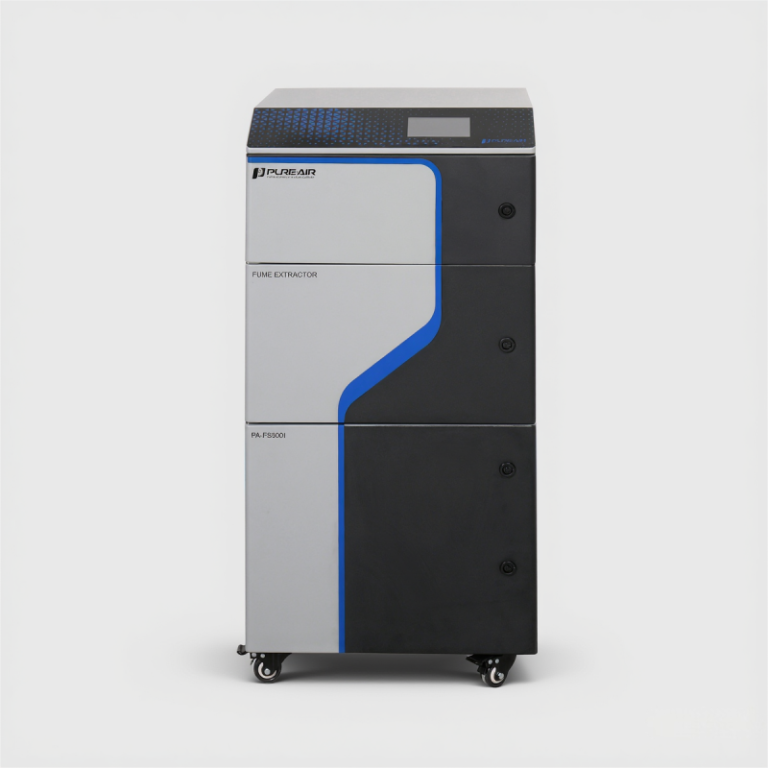
I’ll map out clear, manager-friendly actions you can use right away. We’ll look at common weak spots, practical fixes, and what to watch for when you buy equipment. Next: why the usual solutions often miss the mark — and what that costs you.
Part 2 — Why Traditional Systems Often Fall Short
When I review shop layouts, the same gaps keep coming up. For manufacturers focused on automotive weld fume extraction, the goal is straightforward: remove contaminants at the source. Yet many plants rely on single-point exhausts or oversized room air systems that look good on paper but fail under real loads. I link to practical systems often—especially when recommending upgrades—because seeing actual product specs helps. Look, it’s simpler than you think: capture needs to be consistent, not occasional.
What exactly breaks down?
First, capture geometry is neglected. A hood that works for one welder won’t perform for a robot or a different weld angle. Second, filtration gets under-specified: HEPA filtration is treated as optional rather than a component in a layered strategy. Third, control systems are basic—fans spin at one speed, ignoring duty cycles and peak heat. Add in aging ductwork and you have real losses in airflow and efficiency. I’ve seen downdraft tables clogged by spatter, and power converters that introduce electrical noise into control logic—these aren’t edge cases; they’re daily pain.
Maintenance practices break the chain too. Filters get bypassed, seals degrade, and nobody documents the last flow test. The result: inconsistent capture, variable worker exposures, and surprise regulatory notices. I push teams to measure, not assume. — funny how that works, right?
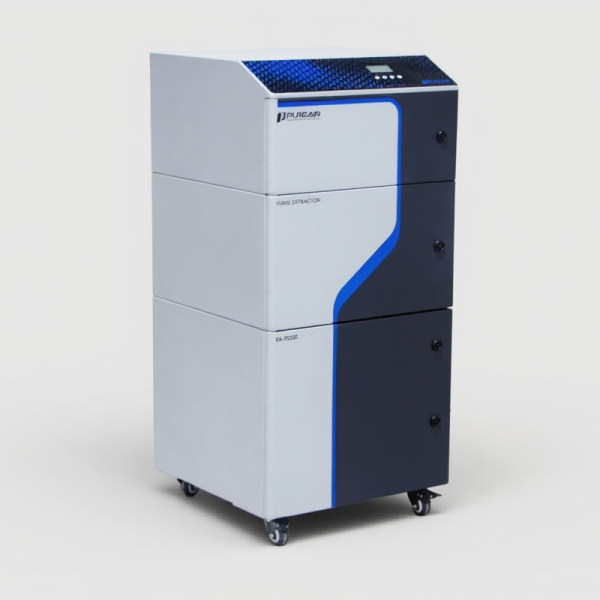
Part 3 — Principles and Practical Upgrades to Adopt
Moving from diagnosis to design, I favor small, testable changes that scale. For new installs or refits, prioritize capture-first layouts: bring the inlet to the weld, not the weld to the inlet. Use a mix of local exhaust hoods, portable extraction arms, and downdraft tables, tuned to the process. For filtering, combine pre-filters with true HEPA stages—this extends media life and keeps particle counts down. For automation, consider simple controls that ramp fan speed by task cycle or sensor input; the smarter you make the controllers, the less you sacrifice on energy and noise.
What’s Next for plants ready to upgrade?
Start with a pilot cell. Instrument it with particle counters and smoke tracers. Test a capture hood variant, record differences, and iterate. I recommend involving welders early—they’ll tell you what obstructs their work and what won’t. In future projects, expect to add digital monitoring—edge computing nodes can relay real-time airflow and filter status—so you catch degradation before exposures rise. Integrate those data streams with maintenance tickets for fast fixes. — and then some.
To pick the right solution, keep three simple evaluation metrics in mind: actual capture efficiency at the weld (measure it), total cost of ownership including filter and energy use, and ease of integration with existing tooling. If a vendor can’t show you measured results from a similar line, push back. I use these metrics in every bid review—helpful, practical, no-nonsense.
Implementing these changes improves worker health and stabilizes production quality. I’ve led teams that cut particulate counts in half after small layout and control tweaks. If you want one dependable partner on this journey, consider the equipment and support available from PURE-AIR.
