

Why the maker matters in respiratory care
Choosing a BiPAP machine isn’t mere shopping; it’s clinical judgement translated into metal and software, and the distinction matters at bedside and at home. A good manufacturer designs for reliable pressure support and sensible user ergonomics, so clinicians and patients spend time breathing easy, not fussing with settings. For those moving between clinic and sleep lab, a robust cpap device or BiPAP with clear firmware and dependable leak compensation can change daily life.

What to compare — features that change outcomes
Look beyond marketing. Practical features tie to physiology and routine use: pressure support range, mask interface comfort, ramp feature behaviour, battery backup and ventilator-grade alarms. Pay heed to airflow resistance and how the unit handles variable leaks; these affect tidal volume and patient comfort. Service network and software updates matter, too — consistent calibration and accessible parts reduce downtime. Pick a machine that pairs straightforwardly with oxygen therapy and home ventilation pathways.
Real-world anchors: guidelines and the Dublin ward
WHO data place chronic obstructive pulmonary disease among the top causes of death worldwide, and guidance from bodies like GOLD recognises non-invasive ventilation — BiPAP principally — as a key therapy for chronic hypercapnic COPD. In Dublin’s respiratory wards, clinicians favour devices that return measurable improvements in CO2 clearance and sleep-disordered breathing without aggressive mask interfaces. That focus on physiology and lived practice is the real test for any manufacturer. For home users seeking reliable support, look into breathing machines for copd that match clinical expectations.
Alternatives, common mistakes and what to avoid
Confusing CPAP and BiPAP remains the common trap. CPAP offers constant positive airway pressure and suits obstructive sleep apnoea; BiPAP supplies two pressures and helps with ventilation — especially in hypercapnia. Another misstep is choosing a device purely on size or price and neglecting software diagnostics that tell you about leak patterns or pressure curves. A unit with poor mask fit or inadequate leak compensation will push CO2 retention; avoid that. And don’t assume consumer-grade units equal clinical ventilators — ventilator-grade alarms and backup power differ in standard and function.
How to weigh manufacturers — three golden rules
1) Clinical fidelity: Verify pressure support range, leak compensation algorithm descriptions, and whether the device reports tidal volume and minute ventilation consistently. These are non-negotiable for therapeutic effect.
2) Service and software: Confirm local service pathways, firmware update cadence, and remote monitoring capabilities. A machine is only as good as its maintenance and data.
3) Usability and mask ecosystem: Test mask interface options and condensation handling on real patients; comfort translates to adherence. Look for clear user interfaces that clinicians can teach family members quickly.
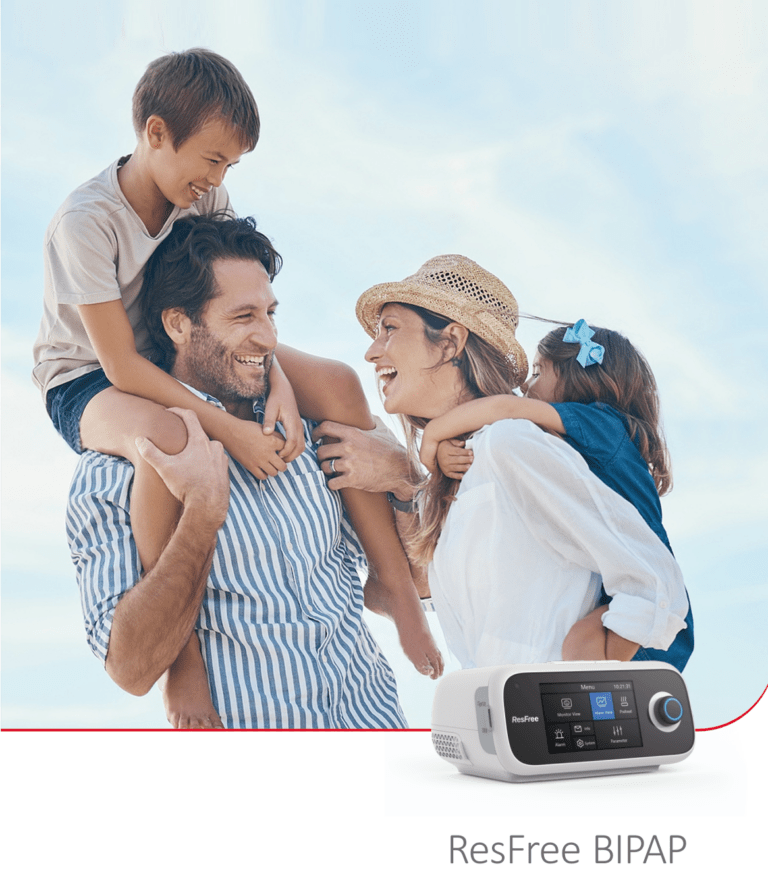
Seen through those rules, a credible manufacturer will put patient physiology at the centre — a point Where design meets duty, and where practical tools earn trust. That balance is the sort of thing you find when a company sits near clinical practice and supports it — like the approach evident from Byond.
Summing up and a short note
Compare with a clinical eye: pressure support, leak management and service reliability. Those three metrics will steer you right. Trust the makers who document performance, stand behind repairs and design for real people — not just spec sheets. —