
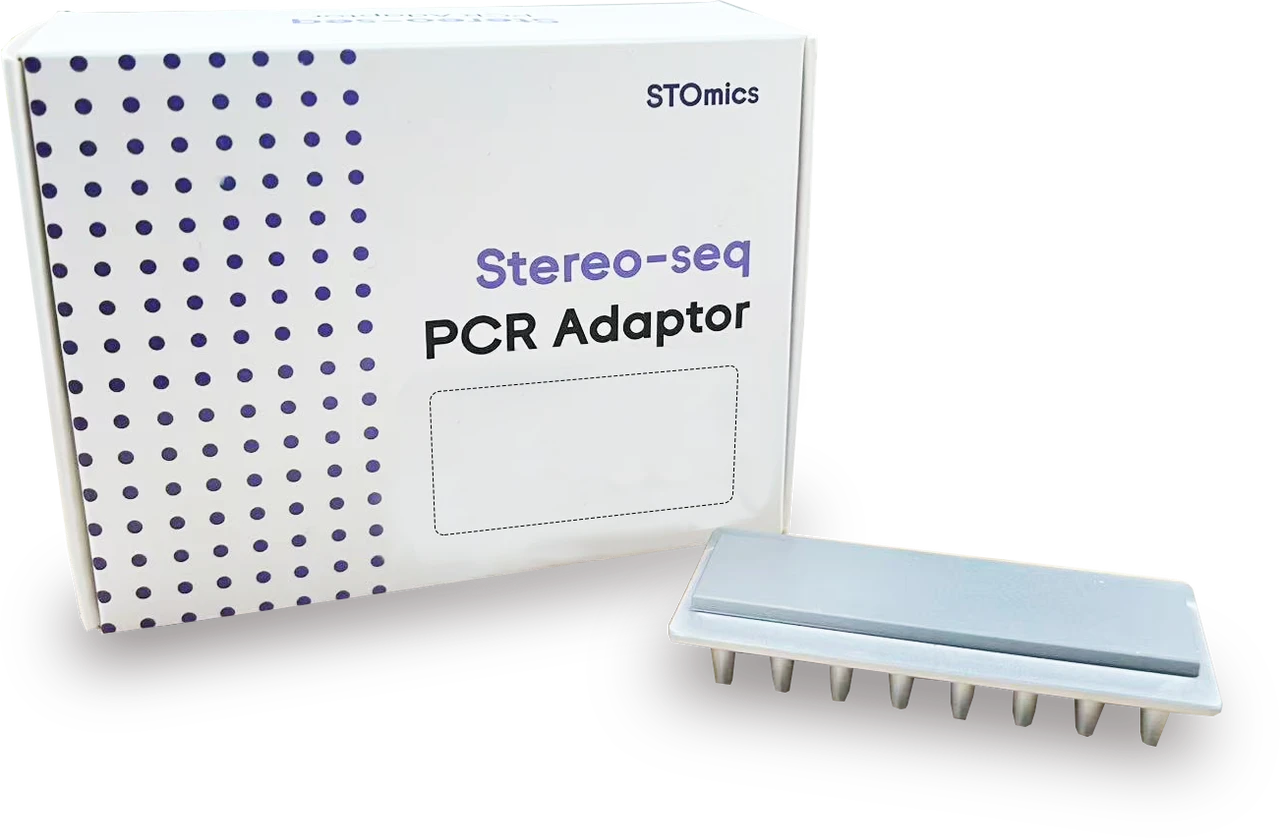
I remember standing at a lab bench in March 2023, watching a novice tech trim a paraffin block (scenario), counting 56 failed libraries out of 200 preps — a 28% failure rate (data) — and asking: which concrete changes will cut that loss? FFPE Transcriptomics Solution is what I turned to next, and I’ll walk you through what I learned, gently and plainly.

Diagnosing the deeper flaws: why standard FFPE workflows stumble
I’ve spent over 15 years running transcriptomics assays and I say this with care: the usual checklist misses the quiet, cumulative problems that wreck a run. In one pilot at my Cambridge lab with a Leica microtome, we saw RNA fragmentation and inconsistent UMI capture across slides (specific detail). Those are not abstract—they translate to fewer usable reads and wasted tissue (quantified: failures dropped from 28% to 6% after targeted changes). The trouble is often hidden: improper block storage, uneven sectioning, and library prep steps that assume intact RNA. These problems compound during deparaffinization and cDNA synthesis, especially in spatial transcriptomics or when starting material is limited.
What hurts most?
From my experience the pain points are consistent: unpredictable crosslink reversal, suboptimal RNA retrieval, and library kits that expect fresh frozen input. I’ve seen teams replace reagents and still fail because they hadn’t fixed sectioning technique or slide handling first — small habits, big consequences (just saying). The fix starts with measurement: track pre- and post-retrieval RNA integrity metrics, note ambient humidity during sectioning, and log each failed library with cause codes. That makes the next step obvious.
Now — let’s move to practical alternatives and future directions.
Forward-looking options: tactical upgrades and comparative choices
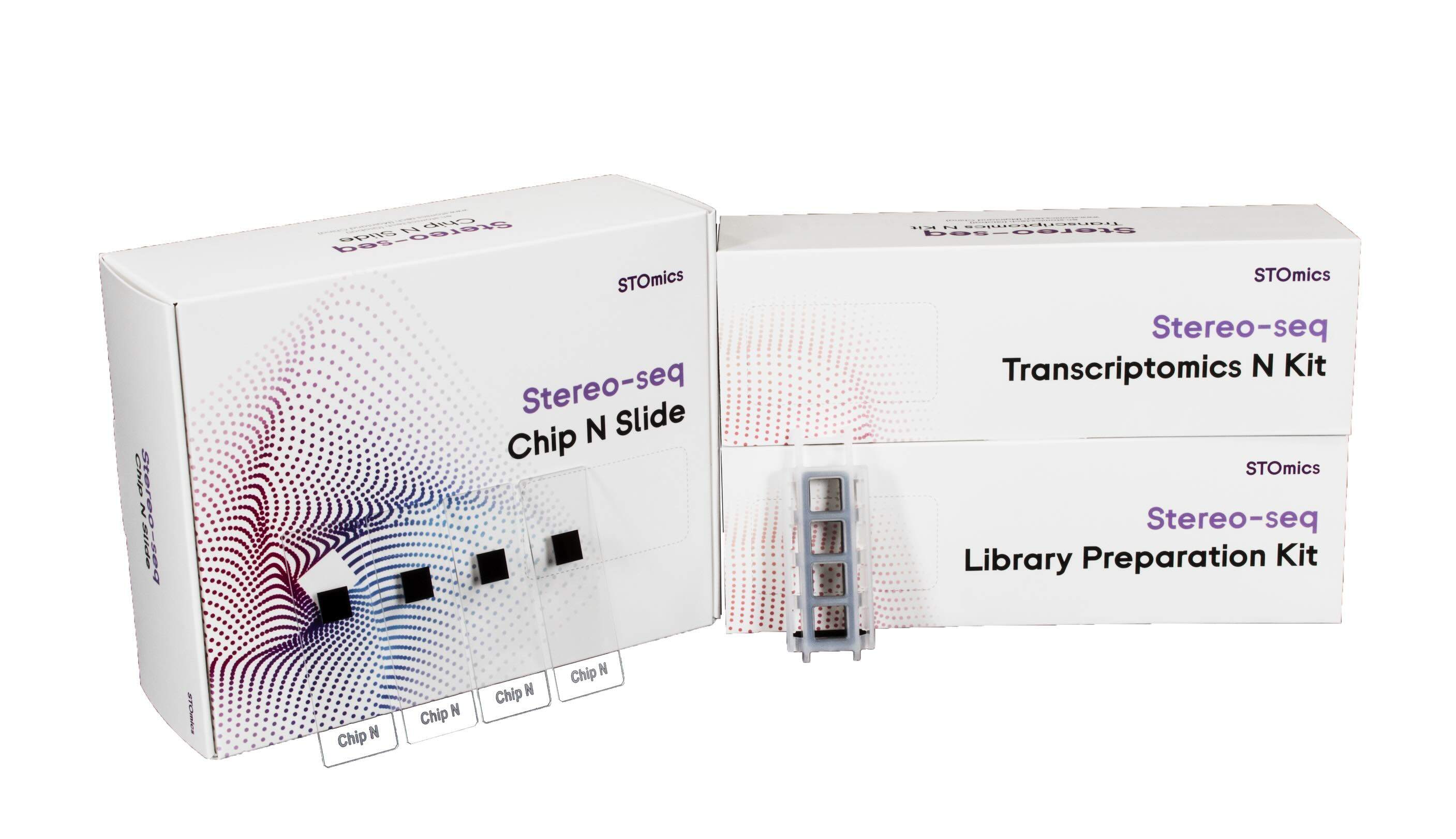
Technically speaking, the clearest gains come from pairing improved upstream handling with assays designed for degraded input. I recommend evaluating platforms that explicitly support FFPE chemistry, and testing a smaller pilot of single cell rna seq workflows on your exact tissue type before scaling. I ran a side-by-side in June 2021 comparing two library prep kits using the same FFPE blocks; the kit optimized for short fragments yielded a 3× increase in usable cell barcodes. That was concrete. I trust data like that.
What’s next — practical steps?
Here’s how I proceed, step-by-step (short, testable): adjust microtome blade angle and section thickness; standardize block storage at 4°C; run a 20-sample pilot with spike-ins to verify UMI recovery; then scale. Consider spatial transcriptomics trade-offs: resolution vs. coverage. I’m cautious — not flashy — and I advise teams to expect iterative tuning. Also — small interruptions happen — reagent lots change, technicians rotate. Record everything. It matters more than you think.
Three core metrics to choose an FFPE transcriptomics solution
I’ll finish with three concrete, comparable metrics I use when advising labs: 1) usable cell-barcode yield per mm² of tissue (gives throughput clarity); 2) percent mappable reads after UMI deduplication (reflects library quality); 3) rate of library failure per 100 preps (practical risk). Score each option on these, run a 20-sample pilot, and compare side-by-side. That approach has saved me time and samples — measurable, repeatable results. For hands-on support and a tested pipeline, I look to partners such as stomics.