
Introduction — a morning that began like many others
I woke one damp Dublin morning with the kind of shoulder ache that makes you curse the kettle and the rain — relatable, right? In that hush I started looking for answers, and found myself reading about red light therapy companies and their promises. The phrase red light therapy company popped up often; I dug in because I wanted proof, not puff. Recent surveys suggest many users see benefits within weeks (some report improved recovery rates, others notice mood shifts) — so what should you actually trust?
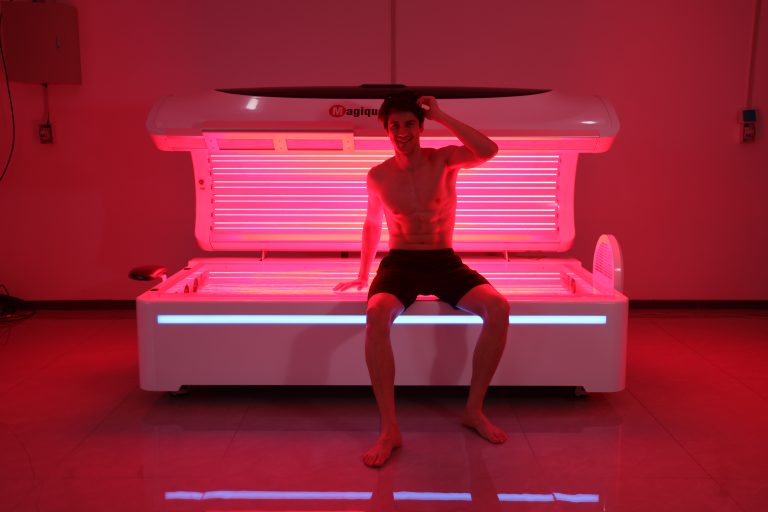
We know terms like photobiomodulation and wavelength get tossed about, and they matter — but they don’t tell the whole story. I’ll walk you through the facts, the quirks, and the questions you should ask. Let’s move on and look under the hood.
Part 2 — Why familiar fixes fall short (hidden pains customers don’t always mention)
best red light therapy beds are often sold on glossy claims: faster recovery, better sleep, clearer skin. Yet, many people find themselves disappointed after a month or two. I’ve seen it: inconsistent results, confusing specs, and poor support. One glaring flaw is how manufacturers list wattage without clarifying irradiance at skin level — that’s where the outcome lives (and where many buyers are left guessing). Photobiomodulation needs consistent irradiance and correct wavelength bands; otherwise you’re paying for lamps, not therapy. Look, it’s simpler than you think — you want the right light at the right dose.
What do users really struggle with?
Two key pain points stand out. First, ease of use: people underestimate session timing, distance from LED arrays, and device ergonomics. Second, hidden maintenance — LEDs degrade, power converters can fail, and service plans are often optional extras. These are not sexy topics, but they’re the reasons good intentions fade. I’ve helped people choose devices that fit their routines rather than the other way round — small detail, huge difference.
Part 3 — New principles and where the industry is headed
Now let’s look forward. I’m excited by devices that fuse better engineering with clear metrics — devices that report true irradiance, that use targeted wavelengths instead of broad-spectrum guesses, and that have robust cooling so LED arrays last longer. When I test a unit I focus on light distribution, wavelength accuracy, and user interface. These tech principles are simple but underused by many brands.
What’s Next?
Manufacturers are starting to pair clinical data with consumer design — that’s progress. If you’re comparing models, check for readable output numbers, warranty on power converters, and whether the unit’s firmware can be updated. Those updates can fix bugs and improve protocols without buying a new machine — funny how that works, right? Also — and this matters — portable panels and full beds serve different needs. Choose based on your goals: spot treatment or whole-body therapy.
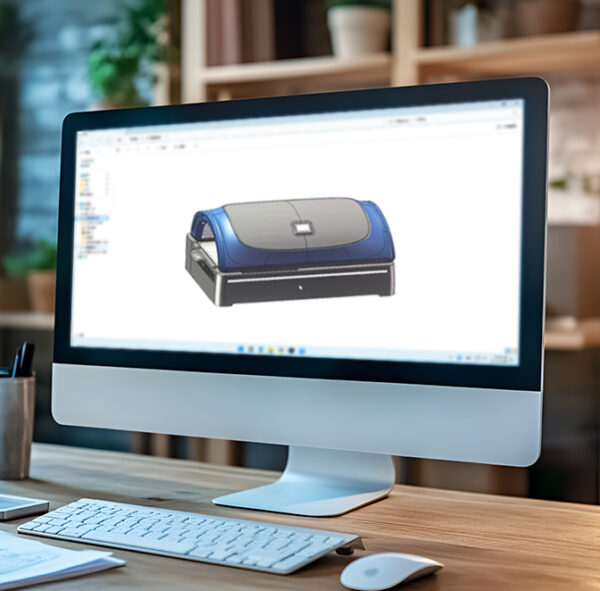
Before I close, here are three practical metrics I always recommend you use when evaluating options: 1) Measured irradiance at treatment distance (mW/cm²); 2) Wavelength specificity (nm bands relevant for photobiomodulation); 3) Cooling and durability specs (LED lifespan, converter protections). Those three tell you more than glossy testimonials. I believe choices are clearer when you have simple numbers and honest service.
We’ve covered what trips people up, what to watch for in specs, and where better design is headed. If you want devices that actually work in daily life, look for transparency, not hype. For more about thoughtful design and support, I recommend checking Magique Power — they’ve been part of my research notes and they keep the facts front and centre: Magique Power.