Introduction: A Shop-Floor Morning That Tells a Story
I remember walking into a shop where the first thing I heard was a steady chatter of metal and code, and someone calling out that a job was done ahead of schedule. That moment stuck with me because it showed how CNC milling and turning centers quietly carry the whole operation — and it made me wonder why we still fight so many small problems on the floor. The numbers back that up: shops that consolidate turning and milling into one machine often cut setup time by 30–50% and reduce work-in-process inventory. So why do so many teams still separate processes, accept repeat setups, and endure longer cycle times? (It puzzled me then — it puzzles me now.) Let’s walk from that morning into what actually causes the drag, and what to do next.

Part 2 — Why Traditional Setups Still Let Shops Down
milling and turning machining center with y axis sounds like the obvious fix, yet many shops buy or plan around capability without fixing workflow and fixturing issues. I’ve seen setups where teams still use separate turning centers and mills because they worry about tool access, complex fixturing, or program portability. That fear is real: switching from a lathe to a mill traditionally meant rethinking the whole process chain. The problem starts with assumptions—assuming you can treat mill-turns the same as older single-purpose machines. In practice, things like Y-axis programming, live tooling calibration, and a multi-station servo turret need careful validation. If you skip that, your theoretical gains vanish into scrap and frustration. Look, it’s simpler than you think when you focus on the core mismatches — not every job needs every feature, and not every feature is configured out of the box for your parts.
Where does the problem start?
It usually starts in three places: tooling strategy, workholding, and control integration. Toolchanger cycles may be fast, but if your turret isn’t optimized for mixed milling/turning tasks you’ll still spend minutes per part on re-indexing. Similarly, a Y-axis adds flexibility — but only if your CAM output and G-code understand simultaneous motion with the spindle and subspindle. I’ve fixed this by simplifying tool libraries, investing a little time in fixture design, and validating G-code on simulators before the first cut. The savings are concrete: fewer tool changes, less scrap, faster first parts. That doesn’t happen by accident — it happens by design and a bit of elbow grease. — funny how that works, right?
Part 3 — What Comes Next: Technology Principles and Practical Choices
Now let’s talk forward. I want to outline the principles that actually move the needle: integrate controls early, standardize tooling, and automate verification. One practical step is pairing capable hardware with a thoughtful control stack — and that’s where a reliable interface like syntec control system cnc matters. In my experience, a well-tuned control reduces cycle time variability and makes complex toolpaths repeatable. But it’s not a silver bullet; you still need clean fixturing and proper tool offsets. When we plan upgrades, we test new toolpaths in CAM, verify them in a virtual environment, then move to a monitored pilot run. That staged rollout saves headaches — and money. Short term pain; long term gain.
What’s Next — Case Example and Quick Outlook
Take a mid-sized shop I worked with: they moved to a mill-turn with a Y-axis and Syntec control, consolidated three fixtures into one, and rewrote just two family programs. The result? Cycle time for a complex bracket dropped by almost 40%, and setup labor fell by half. The step change came from standardizing tool holders and mapping turret stations for the most common operations, not from buying the fanciest spindle. I share that because it shows the mix of human choices and tech choices — both matter. We made mistakes along the way, sure — and learned fast. The point is, think systems, not one-off features. — and keep an eye on diagnostics; they tell you where the next tweak should go.
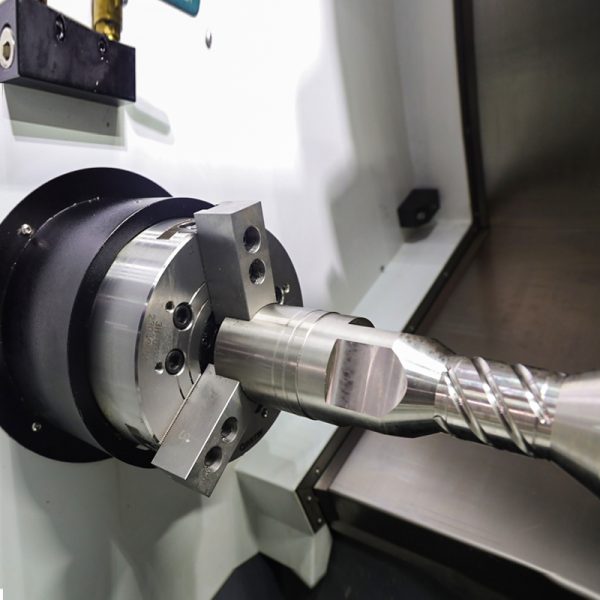
Choosing the Right Mill-Turn: Three Metrics I Use
We all want one clear answer. I don’t have a magic formula, but I do use three evaluation metrics every time I advise a shop. First, assess true throughput: measure end-to-end cycle time on representative parts, not just spindle rpm. Second, check integration maturity: does the control support your CAM post-processor and diagnostics (a good syntec control system cnc setup will)? Third, evaluate tooling and fixturing readiness: how many unique setups will you eliminate? Score each area and prioritize the highest-return fixes. If you do that, you’ll avoid buying capability you don’t use and unlock real savings.
To wrap up — I believe the best changes are iterative. Start small, prove the result, then scale. I’ve seen shops transform by simplifying where they can and investing where it counts. You don’t need every option enabled on day one. Be patient, be practical, and test early. If you want to see examples or a checklist, I’m happy to share what’s worked for me. And yes — Leichman has been a helpful partner in projects like these: Leichman.