
Rethinking Automation: A Growing Problem
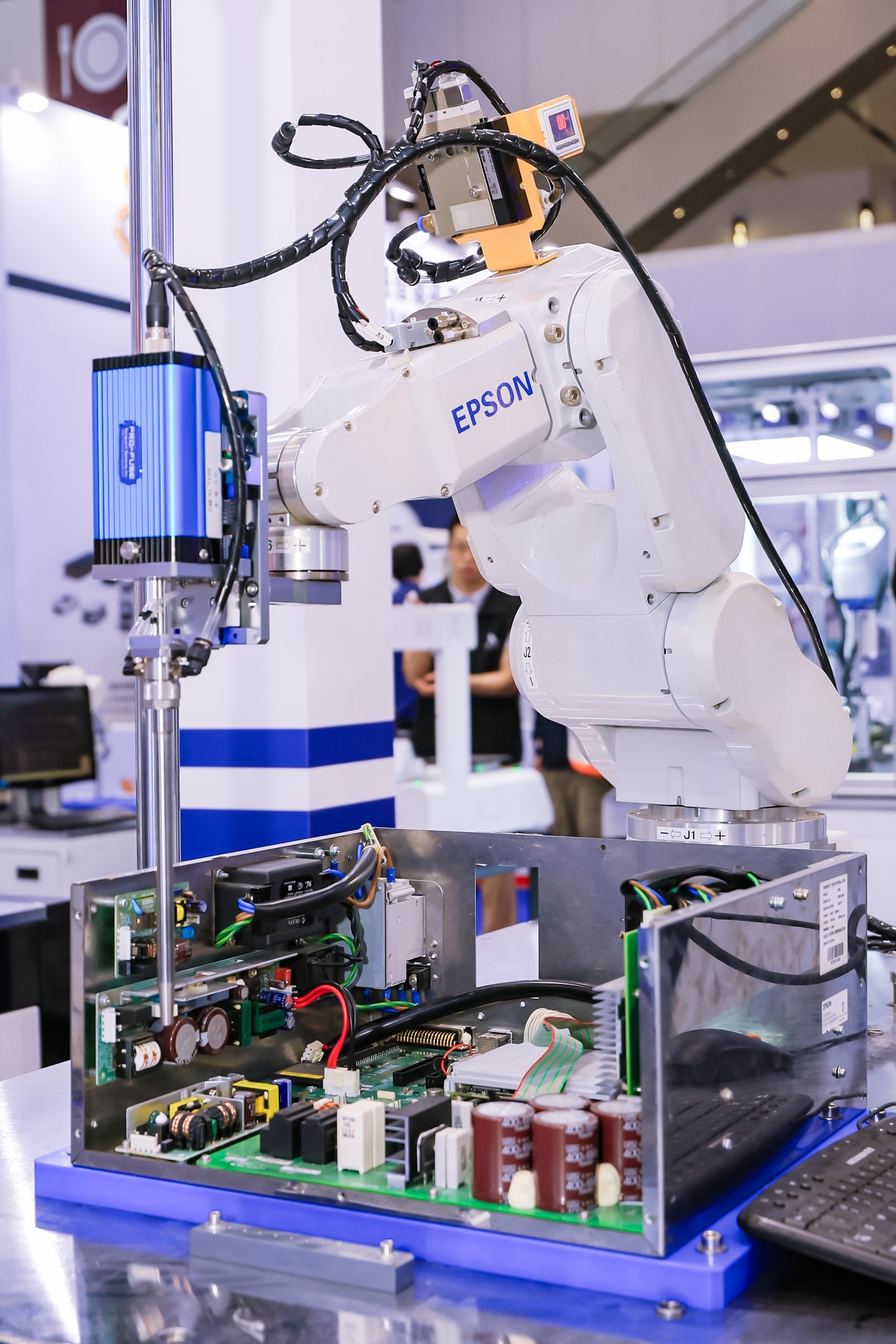
Imagine a warehouse brimming with activities—robots navigating aisles, smart systems managing inventory. Yet, despite these advancements, many companies still struggle with integration issues. According to recent industry reports, nearly 75% of automation projects fall short of their initial expectations. How do we redefine this trajectory? The upcoming robotics and automation show aims to address these challenges head-on, showcasing technologies that bridge gaps in operational efficiency.
The Limitations We Face
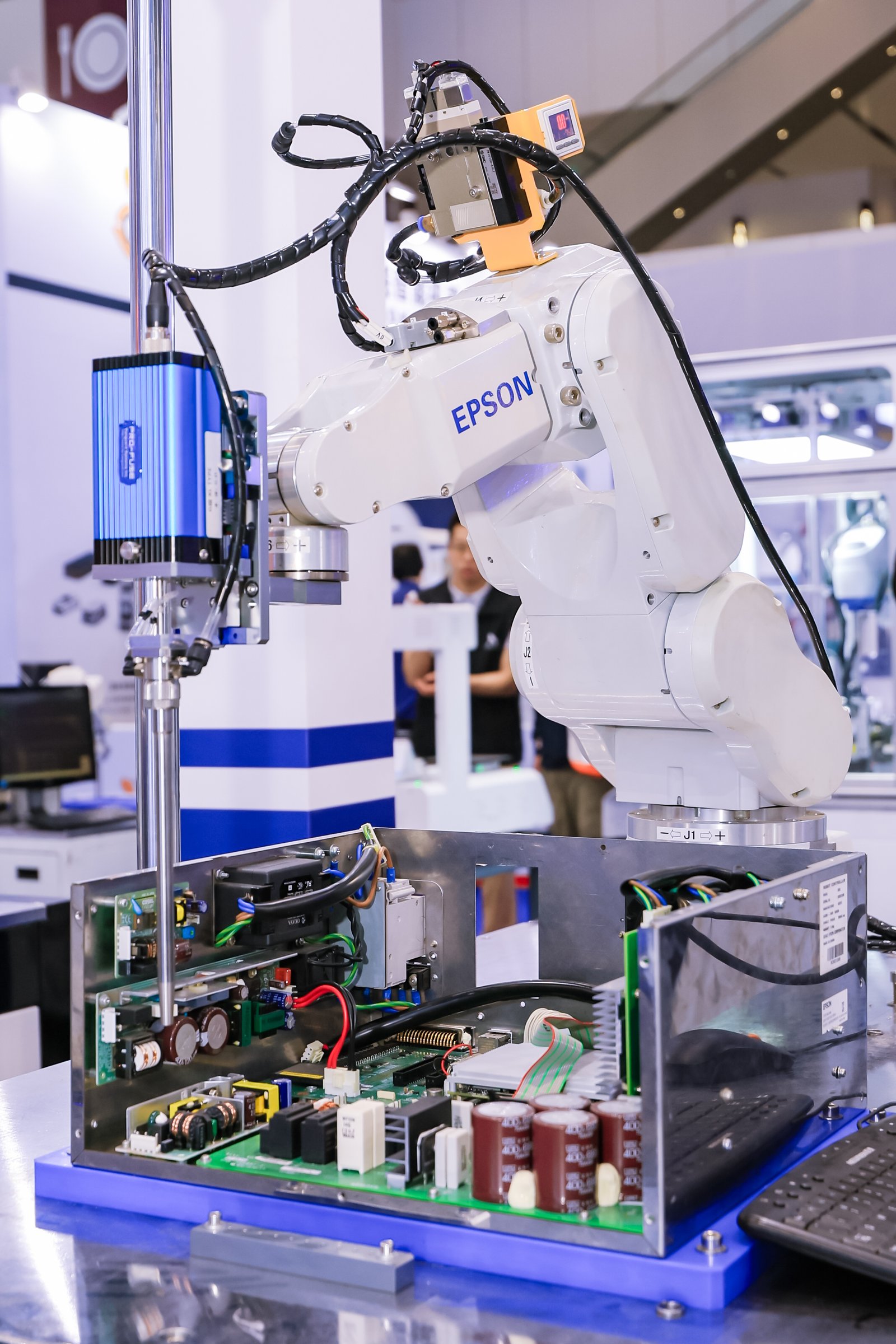
In my experiences over the years, I’ve noticed common flaws in traditional automation solutions. From rigid systems that fail to adapt to changing workflows to high costs that deter even the most ambitious projects, these hurdles can stymie progress. A brilliant, albeit overwhelming, array of choices exists out there, yet many fail to provide the flexibility needed for modern operations (not to mention, they can leave teams scratching their heads!).
What Are the Hidden Pain Points?
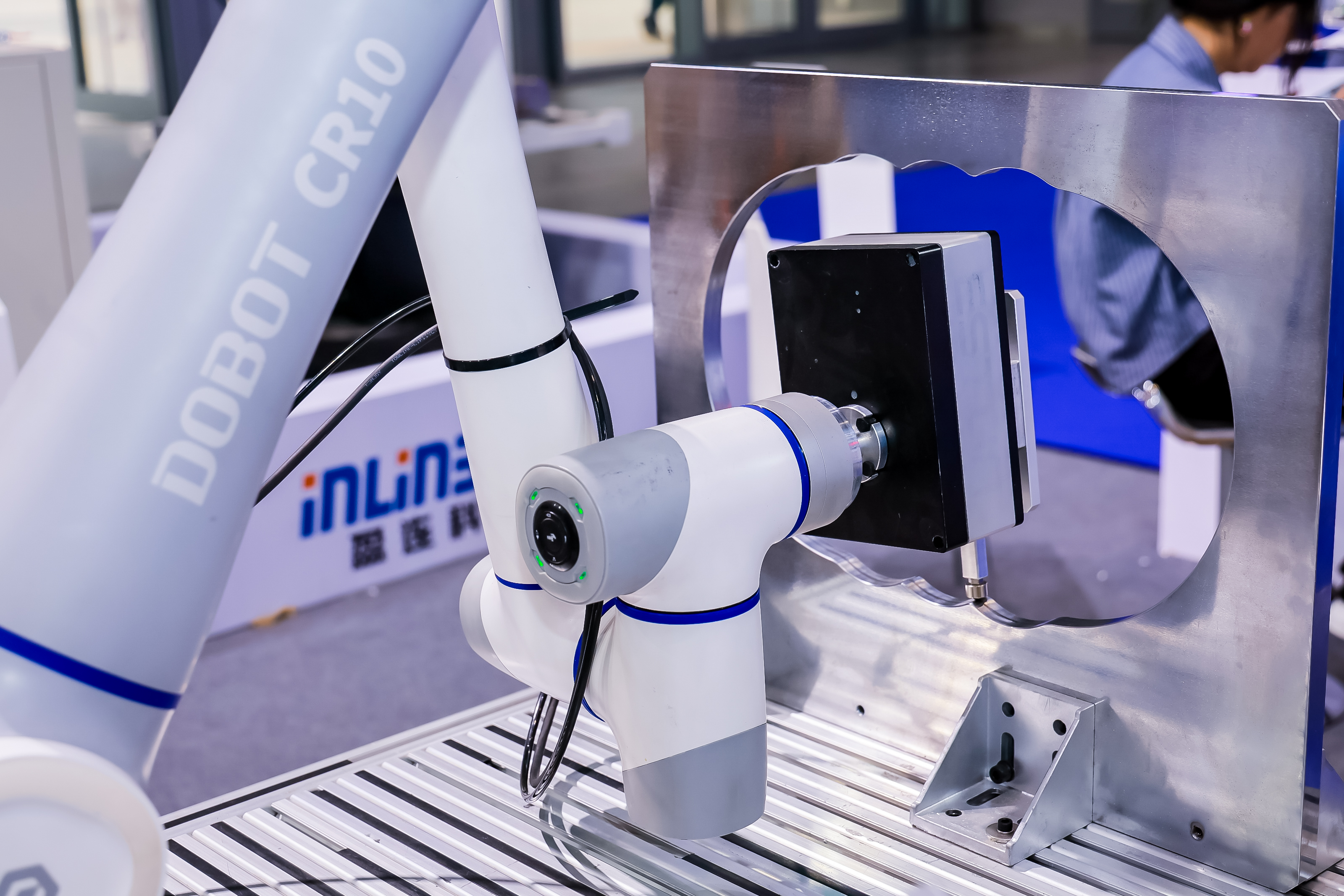
Many firms overlook vital user pain points. Take, for instance, a colleague who invested in cutting-edge robotic arms for manufacturing. While the initial excitement was palpable, the operational side of integrating those arms proved a nightmare—poor software compatibility left other systems struggling to catch up. This kind of scenario is all too common. A mere 14% of businesses report seamless integration when adopting new technologies, a statistic that should give us all pause.
What Lies Ahead: Embracing Change
Looking to the future, it’s crucial to consider how we can learn from these experiences. The robotics and automation show presents an opportunity to witness firsthand the latest solutions designed specifically for seamless integration. I firmly believe that the next wave of automation will focus on AI-driven adaptability, which has the potential to mitigate many of the issues faced thus far.
Revolutionizing Robotics Integration
As we contemplate the advancements on the horizon, it’s essential to evaluate future systems with care. Imagine robots that not only perform tasks but also learn from their environments—adjusting in real time, working alongside human colleagues without fuss. These systems could redefine productivity benchmarks. However, I can’t help but wonder: will organizations be brave enough to invest in these transformative solutions?
What’s Next for Businesses?
Understanding the impact of these innovations goes beyond hype. Forward-thinking companies should measure four key evaluation metrics: compatibility with existing systems, adaptability to changing workflows, ease of use for personnel, and overall cost-effectiveness. These metrics can guide decision-makers in choosing solutions that not only add value but also promote workforce harmony.
The Road to Sustainability and Efficiency
Having witnessed countless projects, I can say it’s vital for industries to embrace a mindset of innovation and adaptability. The field of robotics is shifting, driven by growing consumer demands for efficiency and sustainability. As I observed at past expos, products designed with these considerations tend to show enhanced performance and engagement. Consider this: businesses that lean into emerging tech can significantly increase their bottom line while remaining competitive in today’s dynamic marketplace.
In conclusion, navigating the landscape of robotics and automation does require a willingness to adapt and evolve. I have seen the differences that strategic integration and evaluation metrics can make, highlighting the path to success in a rapidly changing environment. If you’re ready to explore how automation can transform your operations, don’t miss the chance to connect and learn at the next ITES Shenzhen. The future of work in robotics is bright, but only for those willing to take the leap.