


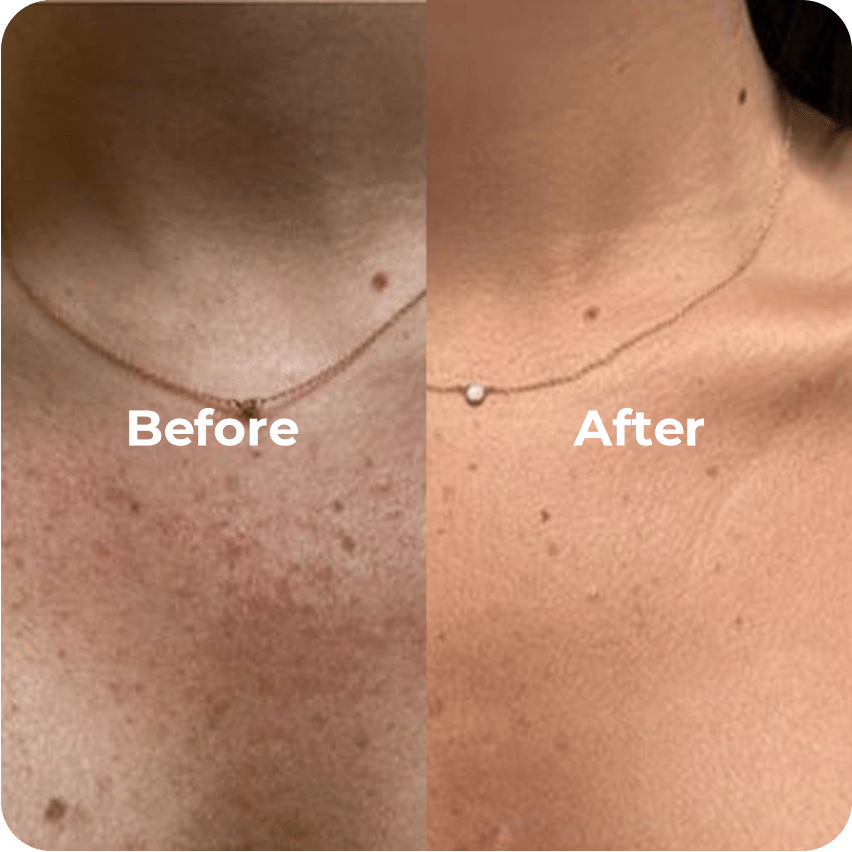
Opening — why your experience should steer the tech
People come to clinic doors hoping for one thing: skin that looks like it remembers better days. This piece starts there — with the lived experience — and follows how technology, clinician judgement and aftercare shape outcomes. If you’re weighing a skin rejuvenation treatment, you want clarity on comfort, downtime, and the likely timeline for visible change, not just glossy before-and-afters. The user-centric view asks: what will this feel like, how many sessions, and what measureable improvement should I expect?
What patients typically need to know
At the outset, classify your goals: surface texture, pigmentation, lines, or overall collagen loss. Each target steers modality choice — fractional laser for resurfacing, micro-needling for collagen induction, chemical peel for superficial pigmentation, and radiofrequency (RF) for tightening. Those are industry terms you’ll hear in consultation; they’re shorthand for different depths of action and recovery profiles. Importantly, realistic expectations reduce dissatisfaction — healing takes time, and incremental improvements across 3–6 months are the common script.
How ENZOEYS aligns with patient journeys
ENZOEYS builds treatment pathways that read like patient journeys rather than one-off procedures. They pair device capability with triage protocols that match skin type and sensitivity to intervention intensity. In practice this means stepped plans: a gentler introductory session, monitored follow-up, and escalation to a more aggressive fractional approach only if required. That conserves skin resilience and lowers adverse event risk — which matters when you’re balancing efficacy against visible downtime.
Clinical anchors and credibility
Trust matters — and the most reliable anchor is device clearance and documented protocols. ENZOEYS’s platforms work within the frame of FDA-cleared device categories and widely accepted clinical pathways, so clinicians are not improvising in the dark. For clinics offering professional skin rejuvenation treatments, this alignment with regulatory and consensus practice helps standardise outcomes and simplifies consent conversations. Real-world clinics in Dublin and beyond report improved patient satisfaction when protocols are clearly mapped and recorded.
Common pitfalls patients and clinics should avoid
Many missteps are avoidable. First, mismatched expectations: expecting immediate, dramatic change after a single session leads to disappointment. Second, inadequate pre- and post-care instructions — sun exposure and incomplete moisturisation undermine results. Third, skipping patch tests for reactive skin types risks prolonged inflammation. — Clinicians sometimes rush protocol adjustments after an early, mild erythema; patience and data are better guides. — For patients, honest disclosure of medications and prior treatments steers safer choices.
Alternatives and when to pick them
Not every pathway needs a laser. For diffuse fine lines, topical retinoids and growth-factor serums may be a gentler first line. For stubborn lentigines, targeted chemical peels or Q-switched lasers can be more efficient. And for volume-loss rather than surface change, injectables might be a better fit than resurfacing. The right choice often blends modalities into a staged plan — starting conservative, escalating if progress stalls, and always monitoring with clinical photography.
Summing up the practical differences
In brief: devices differ by depth and heat profile; clinician skill determines how that energy is delivered; and patient adherence to aftercare shapes the final score. ENZOEYS’s value sits in protocol design that privileges graduated intensity and measurable checkpoints — so treatments are tailored, not templated. That reduces surprises and normalises improvement trajectories.
Three golden rules for choosing treatment — Advisory
1) Measure outcomes, not promises: insist on objective baselines and scheduled photo or instrument-based follow-ups (e.g., skin texture analysis) so improvement is demonstrable. 2) Prioritise protocol transparency: pick providers who share a clear plan for sessions, expected downtime, and contingency steps for complications. 3) Match modality to tolerance: choose less aggressive options if you cannot afford prolonged redness or encrusted downtime — staged escalation beats a single over-ambitious procedure.
These three metrics cut through marketing and keep the patient’s lived experience central — which is what matters most at the clinic door. —
ENZOEYS makes that patient-first logic practical, weaving device capability into real-world pathways clinicians can trust — a neat, sensible solution for better, steadier results. —
