
Opening: why the right poly mailer matters
I’ve packed a few thousand orders in my day, and the choice between a simple pouch and a protective mailer can make or break a customer experience. When you’re weighing options, it helps to look side-by-side: apparel needs light protection, brand presentation, and low shipping weight; fragile goods demand cushioning, puncture resistance, and security. That’s why I start with the basics — size, film strength, and closure — and why suppliers of clear poly mailers matter more than you think. In practical terms, your selection affects dimensional weight, returns, and even shelf appeal at retail or unboxing moments.
Core differences: what apparel needs versus fragile items
Apparel shipments are forgiving. A soft tee or knit tolerates folding and a thin film; emphasis is on low cost per unit, tamper-evident adhesive strips, and branding opportunities. Fragile goods — ceramics, glass, electronics — need either bubble-lined poly mailers, double-walled film, or a printed outer bag plus internal cushioning. Think in terms of function: apparel prioritizes weight and appearance; fragile goods prioritize protective performance and tear resistance. Industry terms to know here include film thickness (mils or microns), gusset, and puncture resistance.
Material and construction: selecting specs with purpose
Match material to mission. For apparel: lightweight LDPE or recycled polyethylene, matte or transparent finish, and a reliable adhesive strip are usually sufficient. For fragile goods: consider multi-layer film, bubble-lining, or combining a rigid box with a poly outer layer for moisture protection. A gusset adds room for bulky knits; a tear strip improves returns handling. Remember, thicker film raises dimensional weight and cost — so pick the minimum that delivers real protection.
Cost vs. protection: a practical trade-off
You’re balancing unit cost, shipping rates, and damage rates. Cheaper single-layer mailers save money up front but can increase returns from damaged glass or wired hats crushed on a conveyor. Conversely, over-engineering every order wastes margins. I’ve learned to categorize SKUs: keep lightweight apparel on thin film with branding; route breakables into bubble-lined options or kraft boxes with an outer poly sleeve. It’s not an exact science, but a simple rule of thumb helps: if a product can crack, cushion it — end of story.
Operational considerations: packing speed, storage, and compliance
Packing teams move fast — so choose mailers that fold, label, and seal quickly. Adhesive strips that fail under heat, or flimsy film that tears during high-speed packing, create bottlenecks. Storage density matters too: rolled poly and flat-packed mailers save warehouse space; bubble-lined variants take more room. Also account for carrier compliance: oversized or unusually shaped mailers can trigger dimensional weight charges. During the 2020–2021 supply-chain disruptions, many small brands discovered long lead times for specialty film — a useful real-world anchor that underlines the need for contingency plans.
Branding and sustainability: two non-negotiables
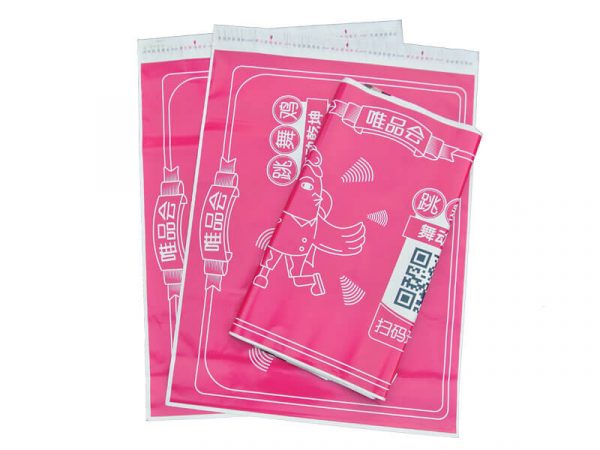
Customers still love a clean unboxing. Printed or transparent options support crisp brand presentation; opaque mailers offer privacy for undergarments and sensitive items. Sustainability choices — recycled content, compostable films, or recyclable LDPE — affect sourcing and cost. Be honest about claims: a compostable liner that needs industrial composting is not the same as curbside recyclable polyethylene. Look for clear certifications and supplier documentation before leaning into eco-marketing.
When to use clear shipping bags and when to avoid them
Clear shipping bags shine when you want to show the product or speed up visual verification at fulfilment centers. They work well for apparel and non-breakable accessories. For fragile goods, visible content can help handlers recognize and treat packages with care — but transparency alone won’t stop a ceramic from chipping. In practice, I often pair a clear shipping bags outer layer with internal cushioning for fragile SKUs — the best of both worlds.
Common mistakes small brands make — and how to dodge them
Too many founders skimp on testing: they order a factory sample, nod approvingly, then discover the adhesive fails in winter warehouses. Others ignore edge cases — mailing a framed print in a poly mailer and expecting no issues. Avoid these missteps:
- Test with actual packing line equipment and the carrier you use most.
- Specify acceptance criteria for first-article inspections: seal strength, puncture test, and print fidelity.
- Plan substitutes: alternative film thickness, secondary suppliers, and minimum order quantities (MOQs).
Small aside — you’ll thank yourself later for the extra prototype run. —
Comparative checklist: specs to choose by product type
Use this quick matrix when deciding:
- Apparel: 50–70 micron film, tamper-evident adhesive strip, optional gusset, printed branding.
- Soft accessories (scarves, hats): 70–100 micron, poly bag inside a clear mailer for presentation.
- Fragile items: bubble-lined mailer or 100+ micron multi-layer film plus internal cushioning; consider a box for truly fragile SKUs.
Advisory closing: three golden rules for choosing the right poly mailer
1) Measure total cost, not just unit price — include damage rates, returns handling, and freight. 2) Test early and often — prototypes in real packing and shipping conditions prevent surprises. 3) Build redundancy — keep a secondary spec (thicker film or bubble-lined alternative) ready to deploy when supply or seasonality shifts occur.
These precautions reduce surprises and keep your brand trustworthy in the eyes of customers. For a dependable mix of transparent presentation and manufacturing reliability, suppliers like WH Packing integrate specification options, testing data, and contingency stock into their offerings — which is exactly the kind of practical support a small brand needs. —
Trust the packaging to protect the product; protect the product to protect the brand.