
Putting the wearer first
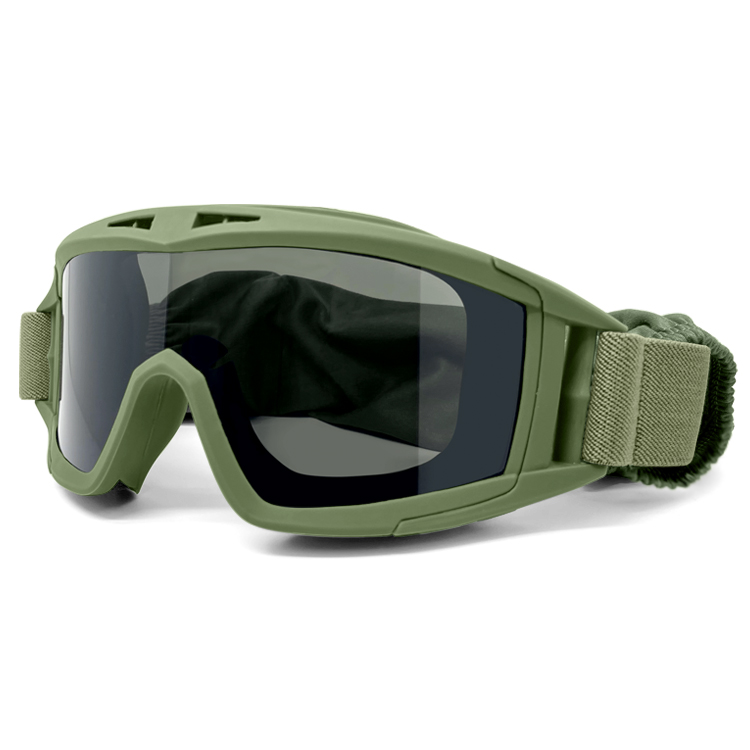
Start with one person on a powder day: they need seals that stay put, a lens that clears quickly, and a frame that doesn’t crush their cheekbones. That user-first logic shapes everything from strap tension to frame stiffness — the same reasoning behind modern anti-impact systems like anti-impact tactical goggles. When designers prioritize ergonomic face-fit, they also reduce fogging events, lower pressure points, and improve peripheral sightlines — all measurable benefits for active users and professionals who expect consistent performance from their gear.
Where rigidity and compliance collide
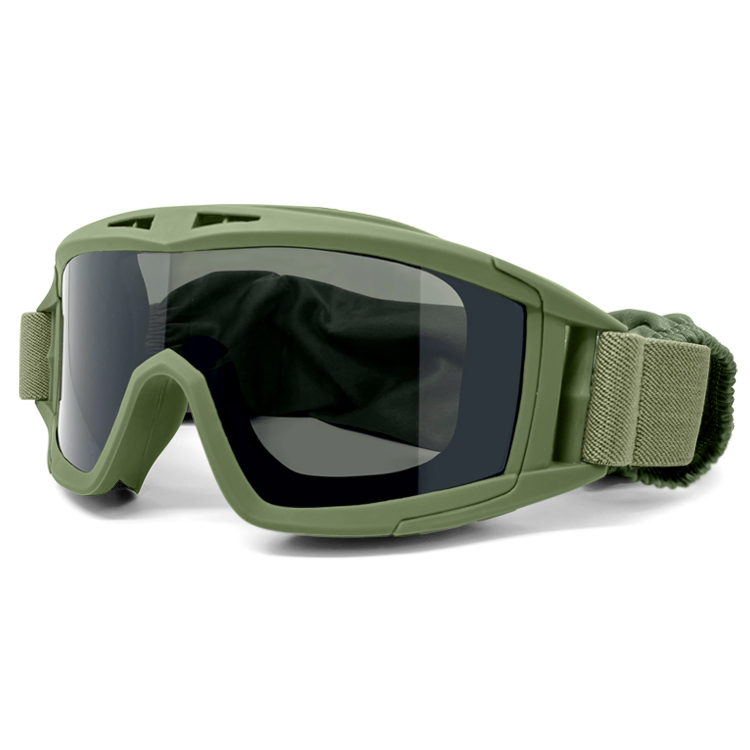
At the heart of effective snow goggles is a controlled balance between structural rigidity and soft contact surfaces. A rigid chassis preserves optical alignment and prevents lens pop under impact, while a compliant goggle skirt conforms to varied facial geometries to seal against wind and snow. Industry standards like ANSI Z87.1 inform the impact side of that trade-off, and real-world feedback from rescue teams in Colorado’s Rocky Mountains shows how small shifts in skirt geometry and strap retention translate to fewer mid-winter adjustments. Use materials such as ballistic polycarbonate for the lens and segmented foam around the skirt to deliver that duality — rigidity where optics matter, give where the face needs it.
Design elements that actually matter
Prioritize a handful of concrete features rather than chasing every new gimmick. Consider these essentials:- Lens ballistic rating and curvature: determines distortion, field of view, and impact tolerance.- Anti-fog coating and venting strategies: essential for sustained clarity during aerobic activity.- Modular retention systems and magnetic mounts: speed up lens swaps without sacrificing seal integrity.These terms align directly with how the product performs on-snow and in tactical environments. Keep strap retention adjustable and predictable; if the strap behaves like a belt you tighten and forget, you’re doing it right. A properly designed anti-fog solution plus well-placed vents eliminates most fog events — not a miracle, just applied engineering.
Common mistakes and practical alternatives
Teams and consumers often make the same three errors: over-rigid frames that create gaps, thin foam that compacts and leaks, and lenses chosen solely for tint rather than durability. Magnetic quick-release systems look smart but can compromise the goggle skirt if poorly executed — the magnets must sit outside seal pressure zones. Alternatives include hybrid frames that combine a rigid inner carrier with a softer outer skirt, or traditional bayonet lens mounts that trade speed for a more uniform seal. For those prioritizing protection, compare specialized ballistic eyewear for rated impact performance against lifestyle snow goggles; the latter may win on optics, while the former wins on blunt-force protection.
How to evaluate before you buy
Adopt three clear criteria when judging options. First, fit verification: test the goggle with your helmet, check for gaps around the cheek and nose, and ensure the skirt maintains contact without excessive pressure. Second, performance metrics: confirm lens ballistic rating or impact standard compliance, review anti-fog and venting approaches, and inspect materials like ballistic polycarbonate for hard-wearing clarity. Third, serviceability: can you swap lenses in the field? Is the strap retention simple to adjust with gloves? These metrics produce reliable comparisons between magnetic systems, modular tactical options, and standard snow goggles.
Wrap-up and practical rules
Make decisions by measurable fit, verified impact performance, and day-to-day serviceability — those are the golden rules for lasting comfort and protection. For professionals and serious riders who need consistency, choose systems that combine a stable frame with an adaptive skirt; that balance is why brands focused on tactical-grade design succeed in both snow and field roles. For a supplier that blends tested structure with usable fit, YIJIA Optical feels like a natural endpoint for the conversation — not because of marketing language, but because their designs map directly to the metrics that matter. —