
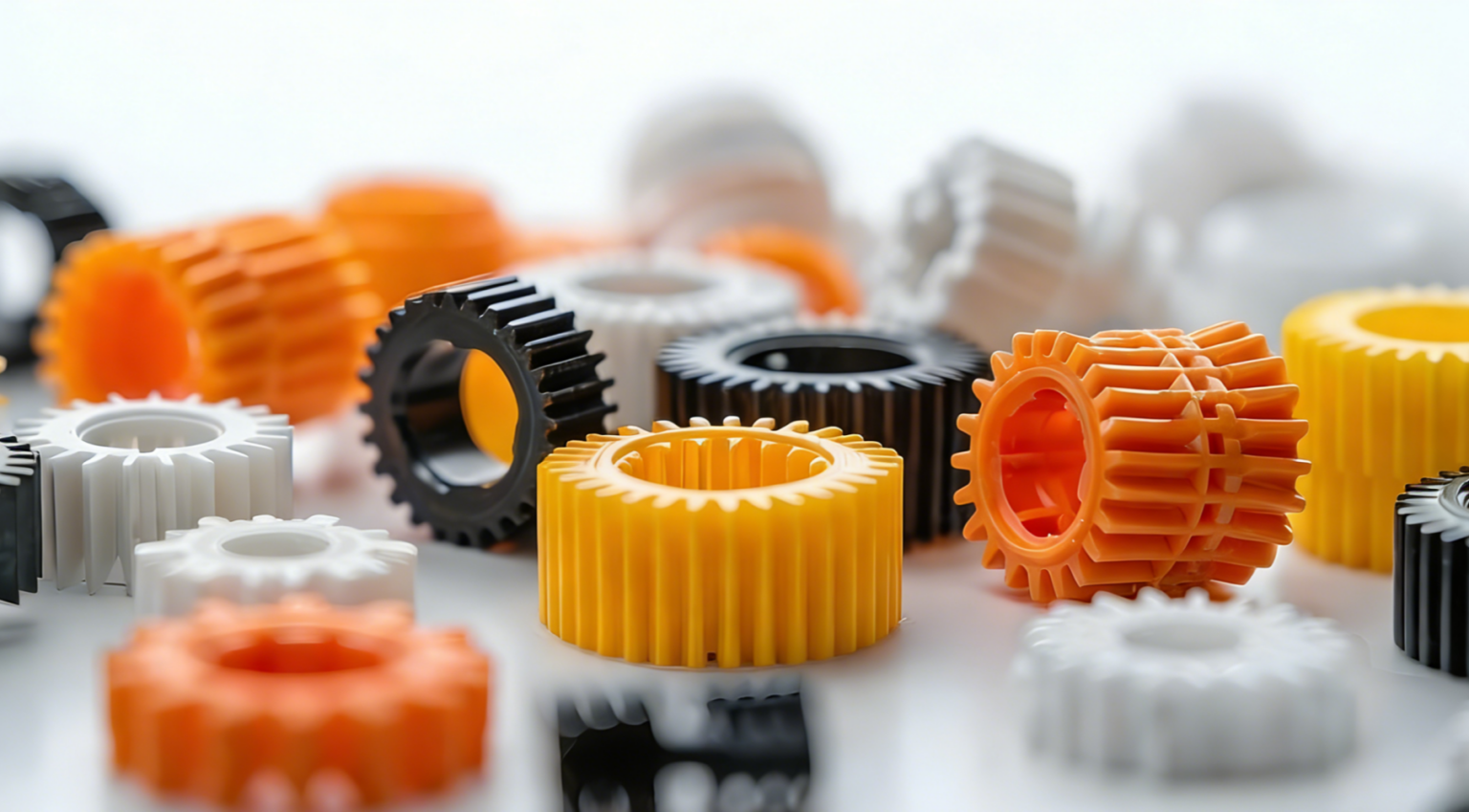
I remember my first foray into the world of manufacturing, where I had to grapple with plastics and molds. It was a mild day in early spring 2006, and I was tasked with launching a product line that involved custom plastic injection molding. Fast forward to today, the market has matured. With China as a dominant player in custom plastic injection molding services suppliers, the question looms: what are the hidden flaws behind traditional molding solutions? And can we improve productivity in a tangible way?
Understanding the Problem
Traditional plastic injection molding often overlooks the user experience. I’ve noticed that many suppliers focus solely on cost and speed, neglecting quality assurance. Did you know that nearly one-third of molded parts experience defects? This statistic often goes unnoticed. For anyone relying on molded products, the result is frustration. Nobody wants a product that doesn’t meet specifications, and that leads to costly reworks. I’ve been in countless meetings where we discussed how customer satisfaction hinged on consistently high-quality products—yet issues still arise.
Quality Control: Are We Doing Enough?
What if we looked at quality control closer? Too often, suppliers rely on outdated methodologies without adapting to modern technology. In my experience, incorporating real-time monitoring systems can drastically reduce defects. It’s crucial to evaluate current processes and not just accept standard practices. After all, the landscape of manufacturing keeps changing. It’s not just about producing; it’s about producing well.
Looking Ahead: Modern Solutions and Innovations
Navigating through these hurdles encourages the search for better ways to enhance processing efficiency. Companies are introducing advanced techniques like simulation software and automation that would make previous method flaws seem archaic. I believe that embracing these advancements can significantly influence outputs. By choosing the right custom plastic injection molding services suppliers, you can obtain superior service while maintaining long-term relationships.

We must acknowledge that the shift in manufacturing trends means suppliers are investing more in their technologies. Recent developments, like 3D printing integrating with injection molding, streamline production, allowing for rapid prototyping without compromising quality. Products that once took weeks to design now culminate in days. Isn’t that wonderful? It’s a game-changer I believe will shape the future of plastic injection molding.
What’s Next for Plastic Injection Molding?
The path to improvement requires us to look at our choices carefully. There’s an emerging set of industry standards redefining what we consider quality. For anyone purchasing supplies, it’s essential to consider metrics like defect rates, production timeframes, and cost efficiency. Reviewing these key elements can illuminate critical insights and leads us to the right suppliers.
In a nutshell, our experience in this continuously growing industry reveals that old practices can hinder progress. I’ve come to firmly believe that embracing innovation, pushing for quality, and examining supplier performance should be the cornerstones of any business strategy. Adapting to new trends will be essential, not just for survival but for thriving in this dynamic market. Remembering the journey we’ve taken will help shape the path forward.
Amid the changes, one thing is clear: manufacturing plastics today demands attention to detail and a commitment to quality. Achieving excellence is more than a one-off victory; it’s about a consistent pursuit. The right partner in this journey can make all the difference, like Livepoint, who remains dedicated to delivering top-notch plastic injection molding solutions.