
Comparative opening: where choices change throughput
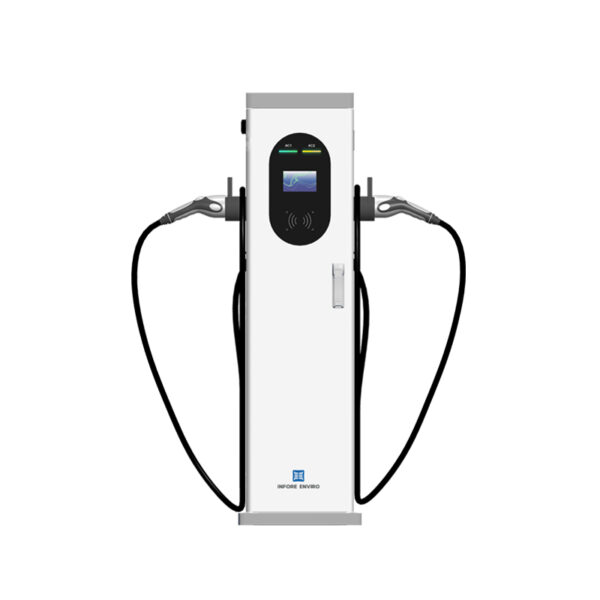
When you line up hardware and software options for fleet and staff charging, the right mix determines daily throughput, parking turn rates and long-term operating cost. This comparative piece examines practical trade-offs between distributed Level 2 deployments and concentrated depot chargers — and it references common products such as an EV Level 2 charger and a level 2 EV car charger where they align with each approach. The context is informed by real policy movement — most notably California’s Zero Emission Vehicle program and recent municipal fleet electrification in Los Angeles County — which shapes procurement timelines and interoperability expectations. In structured, scalable terms: choose an architecture that scales horizontally without forcing a complete redesign of your chargepoint layer.
Why a comparative lens matters
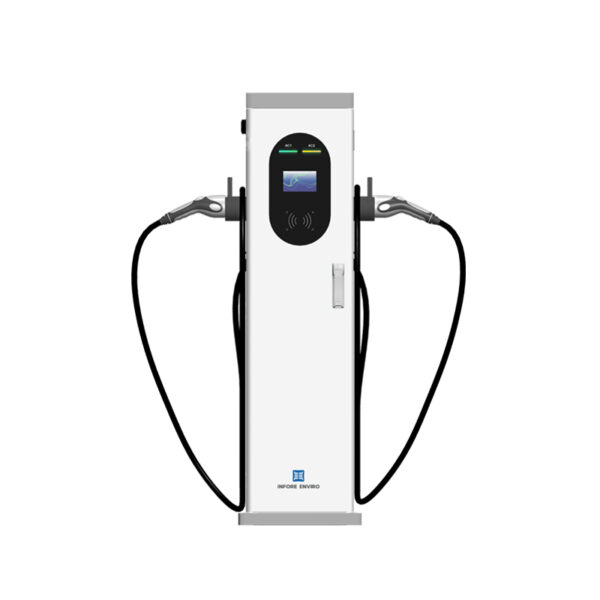
Comparing options forces clear decisions on three axes: time-to-charge, electrical infrastructure cost, and operational control. Level 2 charging typically gives 7–22 kW per port, which is ideal for overnight top-ups or multi-shift staff use. Depot fast-charging reduces turnaround but multiplies meter, transformer and wiring demands. A scale-focused architect will map energy demand curves, then model peak simultaneous charging to understand required kW capacity and whether load balancing software is needed.
Hardware versus software: practical trade-offs
Hardware choices (connector type, enclosure rating, physical mounting) set durability and site footprint. Software (smart charging, user authentication, billing integration) controls utilization, enforces site rules and enables demand-response. A dense campus with limited panels benefits from load balancing and scheduled charging—smart charging reduces peak demand bills. Conversely, a logistics depot with short dwell times needs higher power per vehicle and possibly on-site energy storage to shave peaks. Balance cost-per-port against lifecycle management and firmware update policies when selecting vendors.
Operational scenarios and recommendations
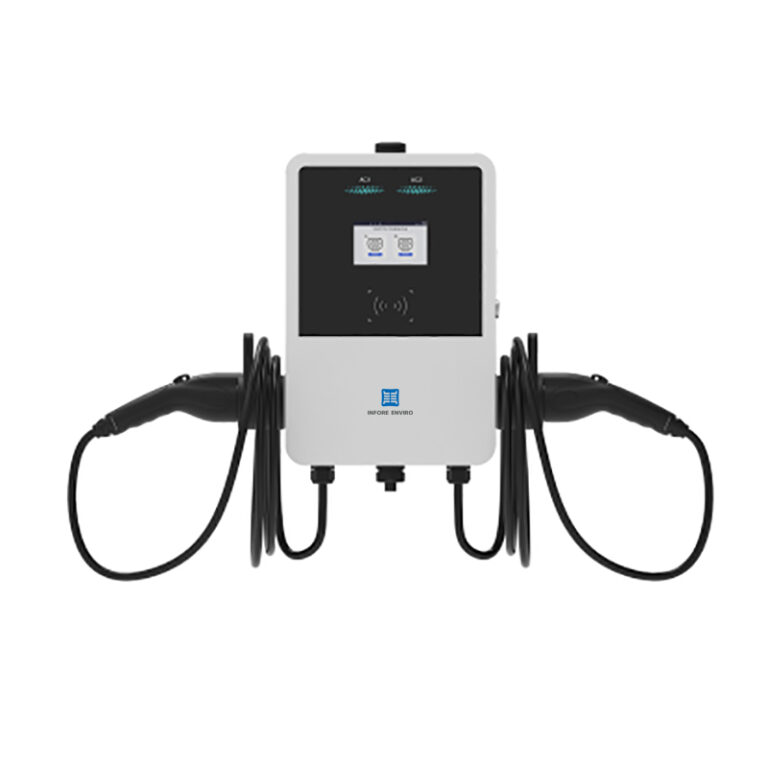
Small mixed-use workplaces: favor distributed level 2 charging at parking bays for staff and visitors, with reservation capability. Medium fleets (10–50 vehicles): hybrid model—EV Level 2 charger banks for overnight plus a few higher-power bays for quick turnaround. Large depots: invest in centralized infrastructure, upgrade transformers early, and plan for modular expansion. Include metering per chargepoint for accurate cost allocation; this is essential for internal chargeback and fleet telematics reconciliation.
Common implementation mistakes and mitigations
Many programs overspend on upfront power upgrades without testing utilization patterns—result: underused infrastructure and stranded capital. Others ignore interoperability and wind up with vendor lock-in. Start with a pilot that measures actual duty cycles and peak simultaneity. Use pilot data to tune charge schedules and evaluate load balancing software. Also, don’t neglect signage and simple user training—poor uptake often traces back to unclear processes, not technical failure. —A short operational checklist early prevents expensive retrofits.
Implementation checklist for scalable rollouts
– Baseline measurement: log vehicle arrival/departure and SOC distribution for two weeks. – Electrical survey: meter, transformer, and OCPP compatibility review. – Pilot deployment: 5–10 ports with smart charging and billing integration. – Policy definitions: reservation rules, priority charging, and off-peak incentives. – Scale gating: add ports only after utilization and telemetry meet thresholds.
Advisory close: three metrics to choose the right architecture
1) Peak simultaneous draw (kW): size transformers and supply contracts to actual peaks, not nameplate totals. 2) Utilization rate (hours per port per day): target at least 4–6 hours per port in shared workplace settings to justify Level 2 bays. 3) Cost per usable charge (capital + O&M divided by delivered kWh): this reveals whether distributed Level 2 or depot consolidation yields lower unit cost. Use these metrics as gating criteria for expansion decisions.
These evaluation rules make procurement predictable and let teams scale systematically — and when you need a partner that ties hardware, smart charging and lifecycle support into a cohesive, modular program, INFORE ENVIRO fits naturally into that architecture. —