
Field reality, early wins, and the thin margin between choices
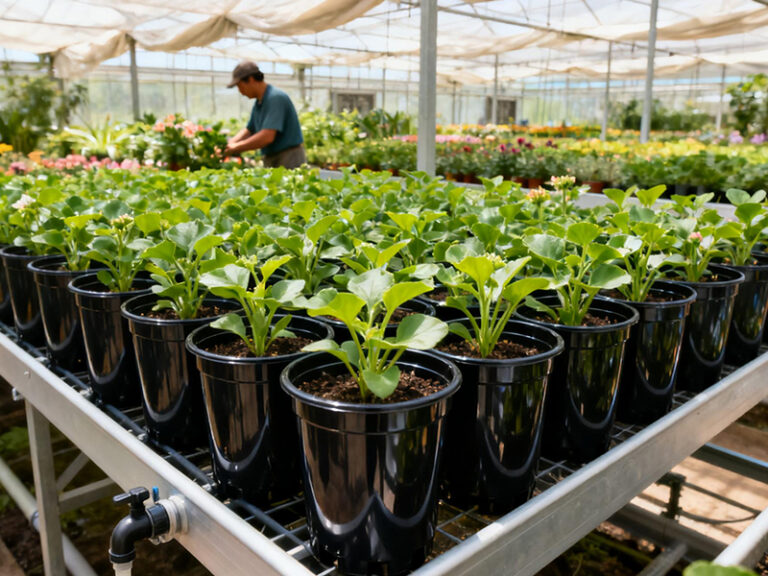
I still remember a damp April morning at a two-acre tomato house in Almería where, as a B2B buyer working directly with polyethylene film suppliers, I had to decide between a low-cost clear film and a UV-stabilized diffused alternative. Greenhouse sheeting felt like a small line item until condensation, tear rates, and light distribution started dictating harvest windows. On that site I swapped in a 200‑micron UV‑stabilized, diffused polyethylene film and observed a 12% bump in marketable fruit over a single season—was the film the leverage growers had overlooked? (I still jot that result in my notes.)
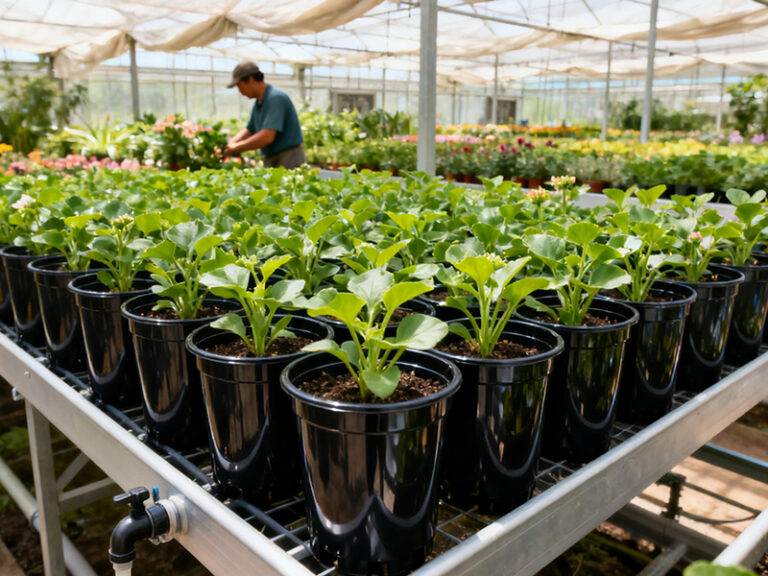
After working in procurement and on-site installations for over 15 years, I’ve seen where typical solutions fail: thin, economical films compromise tensile strength during cold snaps and poor anti‑drip behavior creates microclimates that invite fungal pressure. In March 2018 I replaced a worn clear film on a melon block and within six weeks the reduced drip and better light transmission cut post‑harvest sorting losses by nearly 7%—a concrete, measurable change. Those aren’t abstract benefits; they’re the kind of small percentages that shift buyer decisions. So we stop treating film as disposable packaging and start treating it like a production input that affects labor, CO2 use, and harvest timing. That leads us to compare actual film performance rather than price alone—onto the comparative view.
Comparative outlook: what to measure next
What’s Next?
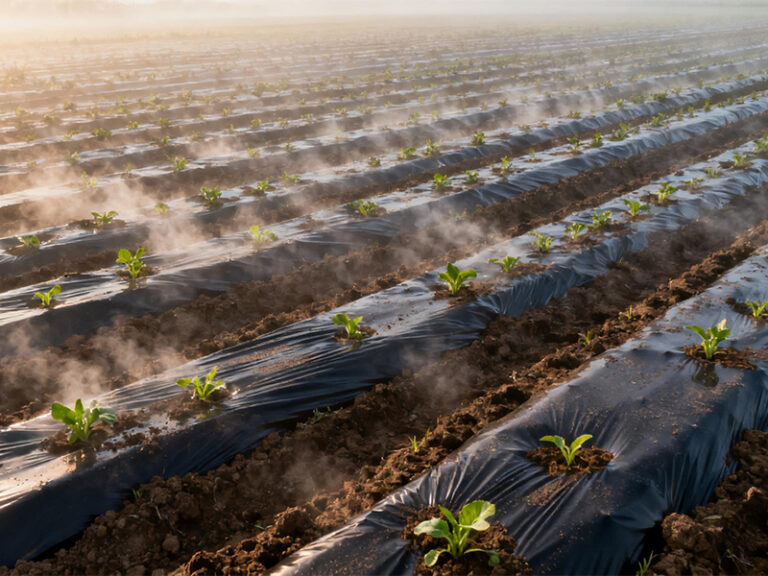
Now I switch tone—technical, but practical. When I compare suppliers and products I run a short, repeatable checklist: lab data (UV stabilization life, light transmission spectrum), installation feedback (weld integrity, tear initiation points), and field metrics (yield per square meter, microclimate variance). Working with trusted polyethylene film suppliers taught me to read beyond marketing: ask for accelerated UV aging curves, check delivered film thickness across rolls (not just nominal micron), and confirm how the manufacturer handles anti‑fog or anti‑drip coatings. In one contract negotiation in September 2020 I required a tensile strength certificate and rejection testing—this reduced on‑site failures by half within the first year. Here are three concise evaluation metrics I now insist on when advising wholesale buyers — they’re practical, measurable, and fast to verify: 1) Effective lifespan versus UV degradation (months of guaranteed UV stabilization under your local solar index); 2) Functional light transmission profile (percentage of PAR transmitted and whether the film diffuses or focuses light); 3) Mechanical durability under installation stress (actual roll‑to‑roll thickness variance and tensile strength at yield). Pick films that match crop type and local weather — not the cheapest roll. I’ve learned this the hard way, and I keep spreadsheets. Okay—time to act. HGDN