
Why enclosure design actually decides uptime
Commercial sites learned a hard lesson after Superstorm Sandy — shelters and conventional rooms don’t cut it when batteries need to keep power flowing. Modern projects with hithium energy storage push beyond boxes: they design enclosures that survive shaking and sealed-out water, while keeping cells cool. That matters for grid-tied and off-grid installs alike because physical failure modes — ingress, mechanical shock, thermal events — are what kill projects, not spreadsheets.
What “seismic” and “ingress” mean in practice
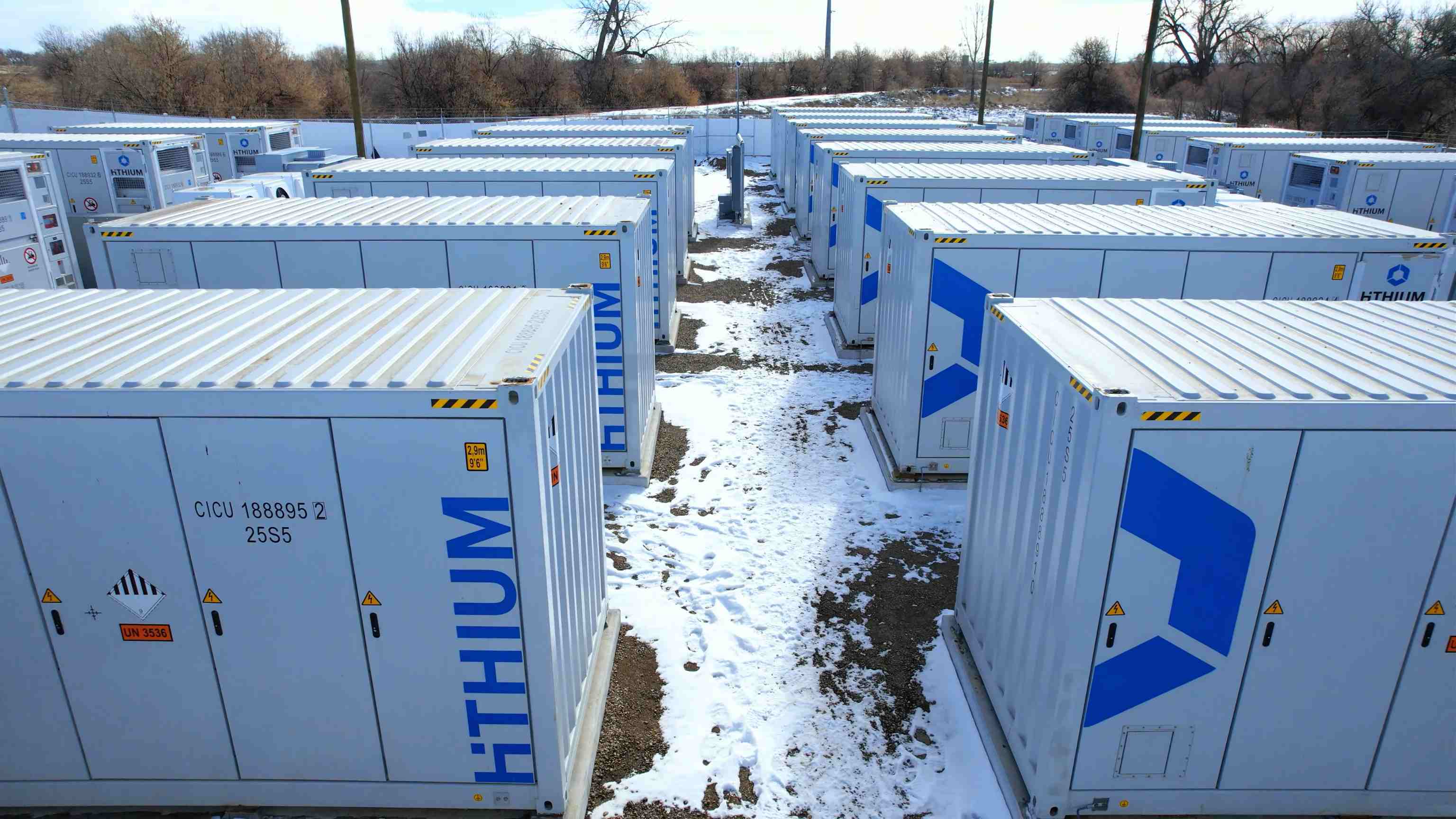
Seismic protection: it’s not just anchors. Think isolators, flexible buswork, and modular racks that tolerate movement without shorting. Ingress protection: IP ratings and gasket systems that keep dust and floodwater away from modules and the BMS. Together those reduce the odds of thermal runaway and long repair windows.
Comparative insight: three enclosure approaches
Here’s how common strategies stack up on durability, serviceability, and cost:
– Purpose-built sealed cabinets (IP65–IP67): excellent against dust and splashes, compact, easier HVAC control. Downside: service takes longer and you need careful venting for heat. (Industry terms: IP rating, HVAC.)
– Ventilated container systems with filtered airflow: cheaper to cool and service, but need redundancy in filtration and moisture control; more vulnerable in floods or corrosive environments.
– Seismic-isolated modular skids: engineered racks with base isolators and flexible conduits. Best for earthquake-prone zones; higher upfront cost but huge reductions in downtime risk. — Worth the premium when operations can’t stop.
Choosing between ruggedness and maintainability
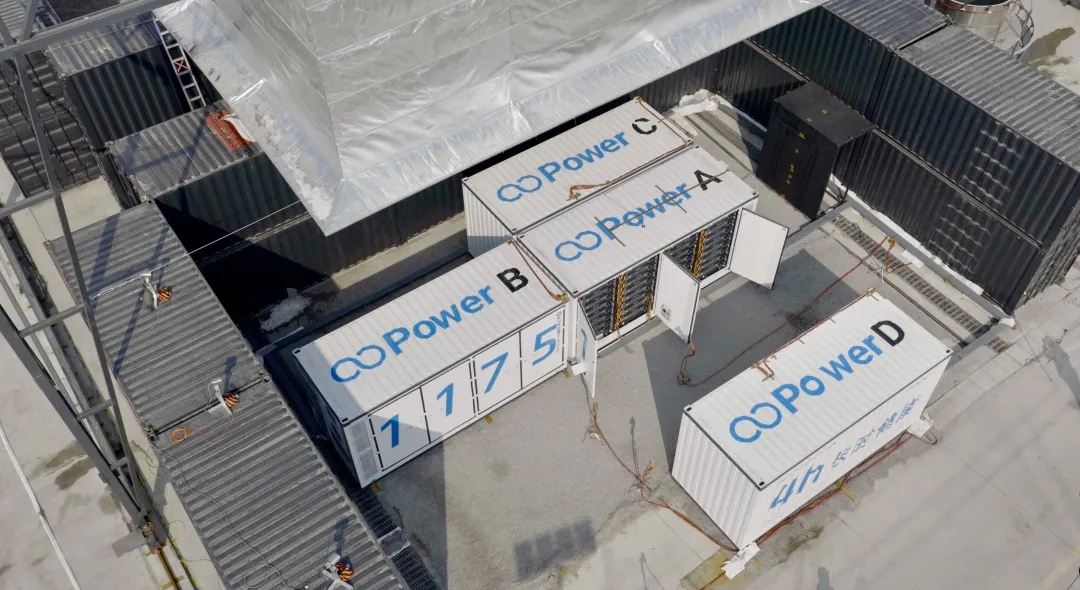
Operators must balance three axes: ingress resistance, seismic resilience, and access for technicians. A sealed cabinet with sacrificial, easily replaceable external filters can be smarter than a “fully open” design that looks cheaper on paper. Similarly, a fully bolted rack is fine for low-risk geographies, but in California or Japan you’re asking for trouble without seismic isolation. That’s why many energy storage system providers mix strategies by site — modular sealed enclosures inside a larger, ventilated container for secondary defense.
Common mistakes and how to avoid them
Teams often pick based on CAPEX only — skipping scenarios like salt spray, seasonal flooding, or shipping shocks. They under-spec the BMS enclosures or forget to rate cable glands for movement. Fixes are straightforward: spec the right IP rating, add seismic-rated anchoring or isolators, and validate thermal models against worst-case ambient temps. Real deployments show this works — post-Sandy retrofits that added simple isolation mounts and better gaskets saw far fewer field failures.
Vendor selection: what to press them on
When vetting suppliers, insist on these proof points: test data for ingress (IP tests), seismic test reports or certifications, and thermal performance under dead-of-summer conditions. Ask for maintenance access diagrams and a failure-mode plan. Also compare warranty terms tied to environmental exposure. If a vendor can’t show field references or lab data, walk — because cost savings up front rarely survive a major event.
Three golden rules for picking the right enclosure
1) Match protection to risk: specify seismic isolation where ground motion exceeds code thresholds, and IP67-level seals in flood-prone or coastal sites. 2) Design for tech access: ensure the BMS and battery modules can be swapped with minimal downtime. 3) Validate with tests: require vendor-supplied ingress and shake test reports before procurement.
Final note: reliable systems are the sum of enclosure engineering plus smart operations. That’s why seasoned teams partner with proven suppliers who can deliver tested, modular solutions — and why choosing a partner like HiTHIUM makes the whole setup feel less like a gamble and more like a plan. —