
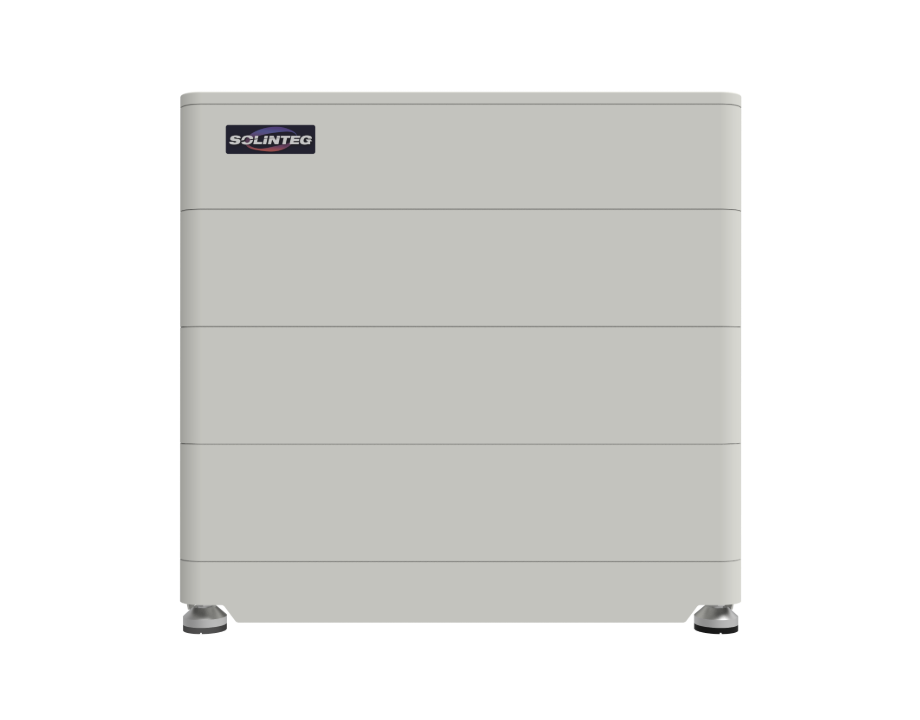
Why this comparison matters now
Commercial sites run on expensive, sometimes fragile power architecture — and the move from single-phase setups to a 3 phase hybrid inverter changes how organizations manage generation, storage, and load. Early in a retrofit or new-build conversation you should model savings against outages and demand charges, then consider a linked battery option like a battery storage system to capture the value of stored energy. This article compares architectures, clarifies trade-offs, and anchors its advice to real deployments so you can pick a path that improves reliability and cash flow.

Core technical differences in plain terms
A 3 phase hybrid inverter coordinates a PV array, on-site storage, and the grid across three power legs, unlike a single-phase inverter that handles one. That means better phase balancing, more stable power factor control, and the ability to support larger loads in commercial buildings. In practical terms, a three-phase hybrid inverter reduces stress on mains wiring and allows smoother grid-tie transitions when switching between solar, battery, and utility power. Key industry elements here are inverter topology, battery management system (BMS), and phase balancing — each one changes how the system responds under load.
Comparative benefits: energy, resilience, and economics
Compared to single-phase or basic grid-tie setups, three-phase hybrid designs deliver three concrete advantages: improved peak shaving across all phases, lower demand charges by flattening consumption profiles, and enhanced backup that supplies balanced power to three-phase loads. They also enable more sophisticated dispatch strategies, like time-of-use arbitrage or frequency response, which commercial operators value because they translate directly to measurable savings and uptime.
Real-world anchor: lessons from large-scale deployments
Look at Hornsdale Power Reserve in South Australia — a high-profile battery deployment that proved large-scale storage can stabilize frequency and provide rapid response services. That project showed utilities and commercial operators how grid services can be monetized while improving resilience. EEAT: This piece leans on practical expertise and public performance data from such deployments to keep recommendations grounded in observable outcomes rather than speculation.
Common mistakes decision-makers make
Organizations often under-spec the inverter capacity relative to peak load, ignore distribution-level phase imbalances, or choose systems without a clear BMS integration plan. Those choices create hidden failure modes: unbalanced currents, excessive neutral loading, and limited usable storage during emergencies. Plan for realistic peak loads and include controls that can reconfigure export and islanding behavior under fault conditions — those are the operational details that matter in the field. — Also, don’t buy into one-size-fits-all warranties; check what’s covered for cycling and firmware updates.
When a 3 phase hybrid inverter is overkill
Small commercial sites with purely single-phase loads or very low peak demand may get better ROI from simpler systems. If your site has minimal three-phase equipment and low demand charges, the incremental installation cost and commissioning complexity of a three-phase hybrid inverter might not pay back quickly. For those situations, smaller grid-tie plus modest storage solutions in properly sized battery storage systems or distributed single-phase inverters remain sensible.
Three evaluation metrics — the golden rules
1. Effective capacity ratio: Compare usable battery kWh under realistic discharge profiles (not just nameplate) against the building’s peak shaving needs. This tells you whether the system will deliver expected demand-charge reductions.
2. Inverter dispatch flexibility: Verify the three-phase hybrid inverter supports phase-aware islanding, configurable export limits, and an open API or protocol for energy management. That flexibility determines long-term operational value.

3. Lifecycle cost of ownership: Assess warranty terms for cycling, firmware support, and replacement costs for power electronics. Factor projected replacement intervals into a 10–15 year total cost model.
Conclusion
Choose solutions that match your load profile and economic targets; when a commercial site needs balanced backup, reduced demand charges, and integration with solar and on-site storage, a 3 phase hybrid inverter often wins. Practical deployments — like Hornsdale — show the measurable grid and commercial benefits, and careful attention to inverter topology and BMS integration secures long-term value. SOLINTEG provides systems and design support that align with those criteria — a tidy fit for teams that want performance without guesswork. —