
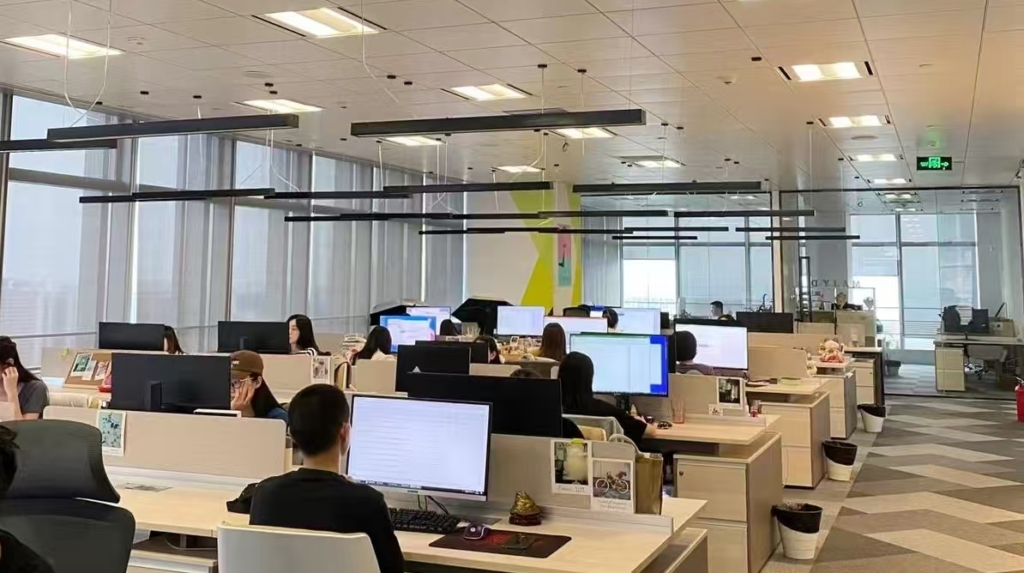
Problem first: why intake failures keep coming back
You know how one tiny clog can cascade into a machine downtime day? In many factories and lines the intake stage — where raw parts, straps and sensors first meet the system — is the weakest link. I worked with a belt fastener manufacturer on a plant layout near the Port of Singapore after the 2021 supply shocks, and we saw the same patterns: misaligned feed, poor tensioning, and inconsistent fastener quality that cause repeated stoppages.
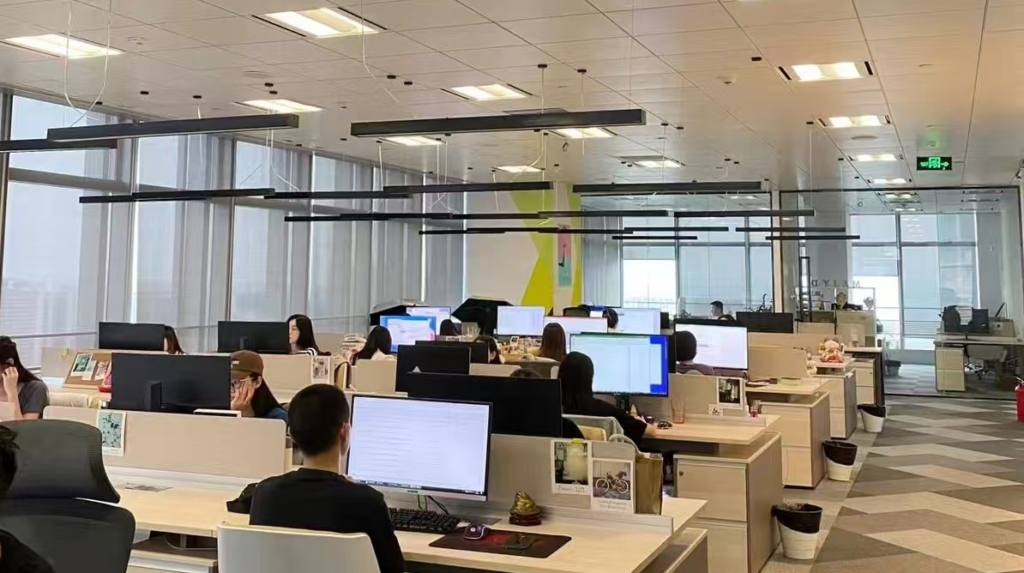
Eight practical checks to stop failures at the source
These eight checks focus on the intake window where most problems start. Follow them step-by-step, lah — no nonsense, quick fixes you can measure.
– Check 1: Feed alignment. Ensure conveyors and guides keep straps centred to avoid jamming. – Check 2: Component tolerance. Reject batches with excessive variance in buckle or rivet dimensions. – Check 3: Tension control. Calibrate tensioning rollers to the spec for your strap material. – Check 4: Sensor placement. Position optical or proximity sensors where occlusion is minimal. – Check 5: Debris management. Install screens or brushes to stop grit from reaching the seal surfaces. – Check 6: Material compatibility. Confirm adhesive, coating, and substrate chemistry match the assembly process. – Check 7: Operator handover. Standardise the intake checklist so shift changes don’t introduce variability. – Check 8: Vendor traceability. Keep batch records and supplier contact; trace defects back quickly.
How to run an operational production teardown
When intake failures persist, do an operational production teardown. Physically walk the feed path with tools, test variations, and log outcomes. During that teardown we check {main_keyword} and {variation_keyword} against measured tolerances, not just supplier claims. Use a simple table: input condition, observed behaviour, corrective action. Include fastener hardness, buckle fit, and strap elongation readings where needed.
Common mistakes teams make — and the fixes that actually work
Teams often assume the supplier quality will always hold. That’s dangerous. One factory I audited blamed a control board for intake faults — until we found a batch of stamped rivets with burrs that chewed the feed track. Fix was simple: adjust incoming inspection criteria and add a quick deburr station. — Small intervention, big uptime improvement.
Vendor selection: where a global fastening manufacturer helps
Choosing the right supplier changes everything. Work with a partner who provides dimensional reports, incoming inspection data, and clear packaging rules. For global projects, align lead times to the realities shown during the Port of Singapore congestion and the 2021 disruptions; plan buffer stock and dual sourcing with your global fastening manufacturer to reduce single-point risk.
Metrics to measure success
Track these KPIs weekly to see progress: mean time between failures (MTBF) at the intake stage, first-pass acceptance rate on fastener and strap components, and minutes of lost production per month due to intake stoppages. Make the data visible at the line so operators act fast.
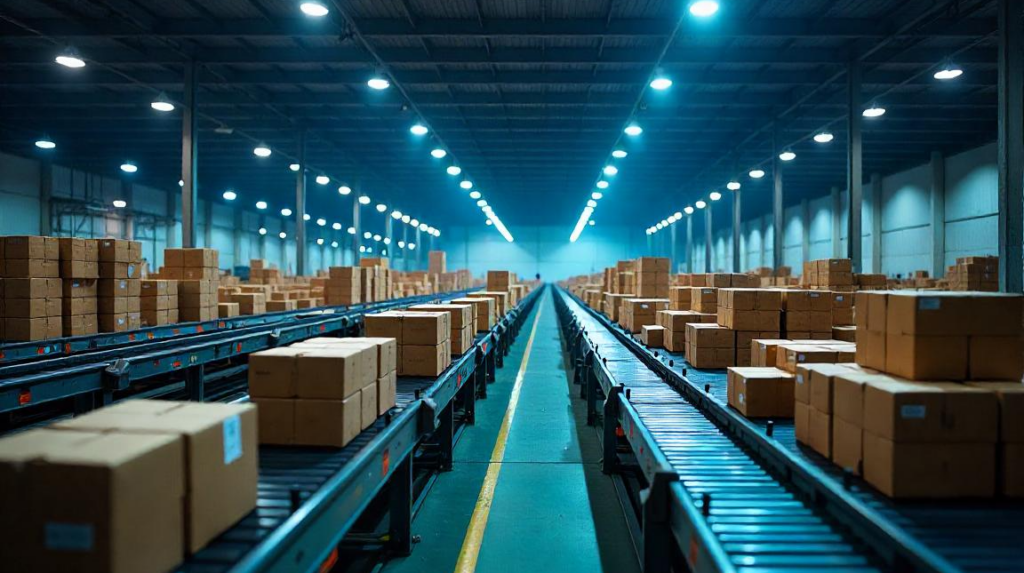
Three golden rules for choosing strategies and tools
1) Prioritise measurables: pick fixes you can quantify within one shift — alignment degrees, tension pounds, or sensor trigger distance. 2) Demand traceability: insist suppliers give batch-level inspection sheets and hold them to it. 3) Prefer simplicity: choose robust components over “smart” complexity unless you can support the maintenance schedule.
Integrate these rules into vendor contracts and daily routines; the result is fewer surprises and faster root-cause repairs. Intake.
Short final thought: steady checks, steady lines.